
Understanding the Challenges of Clay Soil in Gardening
Characteristics of Clay Soil
Clay soil is known for its fine texture and dense composition, which leads to several unique properties. It tends to be heavy, sticky when wet, and hard when dry. This type of soil retains water well but often struggles to drain excess moisture efficiently. The compact nature of clay causes poor aeration and slow warming in spring, making it a challenging environment for many garden plants.
Why Drainage is a Problem in Clay Gardens
The primary drainage issue in clay gardens is due to the tiny and tightly packed soil particles. These particles leave little space for water to flow through, resulting in waterlogging and root suffocation. Prolonged excess moisture can lead to root rot and stunt plant growth. Improving drainage is crucial to creating a healthy garden environment and promoting strong root development.
Planning Your Raised Garden Bed
Choosing the Right Location
Selecting an optimal location for your raised garden bed is essential for improving soil drainage and plant health. Choose a spot that receives adequate sunlight, ideally six to eight hours per day, and is slightly elevated or level to prevent water pooling. Avoid low-lying areas where water naturally collects. Also, consider proximity to water sources and ease of access for maintenance.
Dimensions and Materials for Optimal Drainage
The size and materials used for your raised bed directly impact drainage:
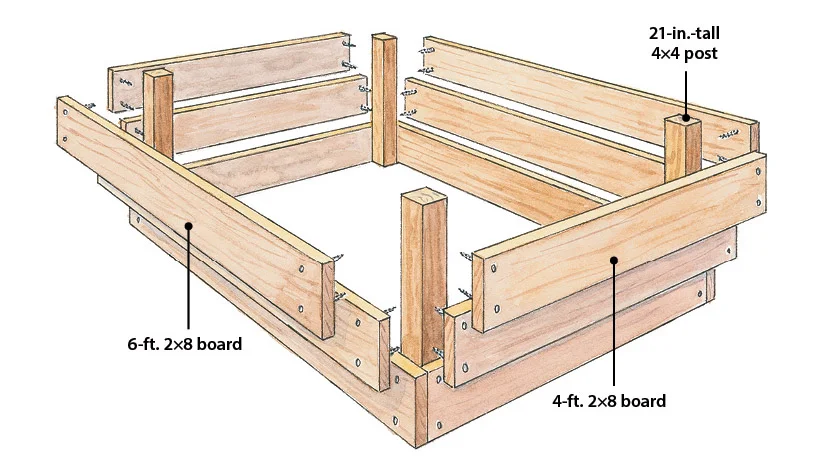
- Dimensions: A common size is 4 feet wide by 8 feet long and 12 to 18 inches deep. This depth provides enough soil volume for root growth and water retention while allowing excess water to drain.
- Materials: Use rot-resistant woods like cedar or redwood, or recycled composite materials. Avoid toxic or treated woods that can leach chemicals into the soil.
- Bed Height: Raising the bed at least 12 inches helps improve drainage by allowing water to flow away from the rooting zone.
Step-by-Step Guide to Building a Raised Garden Bed
Gathering Tools and Supplies
Before construction, prepare the following tools and materials:
- Wood boards (cedar, redwood, or composite)
- Measuring tape
- Power drill and screws
- Level
- Shovel and rake
- Landscape fabric
- Gravel or small stones (for drainage layer)
Constructing the Frame
Follow these steps to build a sturdy raised bed frame:
- Measure and cut wood pieces to your desired bed dimensions.
- Assemble the frame by screwing the boards together at the corners, ensuring they are square and level.
- Place the frame in the chosen location and check for levelness, adjusting the ground if needed.
- Secure the frame in place to prevent shifting over time.
Installing a Proper Drainage System
Good drainage starts at the base of the raised bed:
- Lay landscape fabric inside the frame to prevent soil contact with the ground and reduce weed growth.
- Add a 2 to 3-inch layer of gravel or small stones at the bottom. This encourages water to drain away from plant roots.
- Ensure that the gravel layer is level and covers the entire bed base uniformly.
Soil Preparation for Enhanced Drainage
Amending Clay Soil Composition
To improve drainage, amend the dense clay soil by:
- Mixing it with coarse sand to increase particle size and porosity.
- Adding organic matter such as compost, which helps create air pockets and improves soil structure.
- Incorporating perlite or vermiculite to further enhance aeration.
Incorporating Organic Matter and Amendments
Organic matter is vital for maintaining soil health and drainage:
- Add well-decomposed compost or aged manure to provide nutrients and improve texture.
- Include leaf mold or peat moss to boost moisture retention without causing waterlogging.
- Regularly replenish organic matter annually to sustain soil quality.
Layering Techniques Inside the Bed
Layering your raised bed soil can maximize drainage and fertility:
- Start with the gravel drainage layer at the bottom.
- Add a layer of coarse organic material like twigs or straw to increase airflow.
- Top with a rich soil mix combining clay soil, sand, and organic amendments.
Planting and Maintenance Tips for Clay Garden Beds
Selecting Plants Suited for Clay Soil
Some plants naturally tolerate or thrive in clay soil conditions. Consider planting:
- Perennials like daylilies, coneflowers, and hostas
- Vegetables such as beans, broccoli, and cabbage
- Shrubs including forsythia, dogwood, and viburnum
Choosing appropriate plants reduces stress caused by poor drainage.
Watering Practices to Prevent Waterlogging
Proper watering is critical in clay garden beds to avoid water accumulation:
- Water deeply but infrequently to encourage deep root growth.
- Use drip irrigation or soaker hoses to deliver moisture directly to roots.
- Water in the early morning to allow soil surface drying during the day.
- Monitor soil moisture regularly to adjust watering schedules.
Seasonal Bed Care and Soil Health Monitoring
Maintain bed health by:
- Adding mulch annually to moderate soil temperature and moisture.
- Testing soil pH and nutrient levels to make necessary amendments.
- Removing weeds promptly to reduce competition.
- Rotating crops and replenishing organic matter at the end of each growing season.
Advanced Tips: Enhancing Drainage with Innovative Methods
Using Drainage Pipes and Gravel Layers
For gardens with severe drainage issues, consider:
- Installing perforated drainage pipes beneath the raised bed to channel excess water away.
- Creating a thicker gravel or coarse sand layer under the soil for improved water movement.
- Combining pipes with gravel layers to create an efficient sub-surface drainage system.
Mulching and Its Role in Soil Moisture Control
Mulching helps regulate moisture levels by:
- Reducing surface evaporation and maintaining consistent soil moisture.
- Preventing soil crusting, which can worsen drainage problems in clay soils.
- Adding organic mulch such as wood chips or straw that breaks down to improve soil structure over time.
Apply mulch in a 2-3 inch layer around plants, replenishing as needed for optimal benefits.


