
Understanding Low-Maintenance Landscaping
What Defines a Low-Maintenance Front Yard?
A low-maintenance front yard is designed to require minimal time, effort, and resources while maintaining an attractive and functional outdoor space. The problem with traditional lawns is that they demand frequent mowing, watering, fertilizing, and pest control, which can quickly become costly and time-consuming. Additionally, regions experiencing changing climate patterns and water scarcity find these lawns unsustainable due to their high water needs. The cause of this high maintenance stems largely from water-thirsty grasses and inefficient watering methods, which waste precious water and energy.
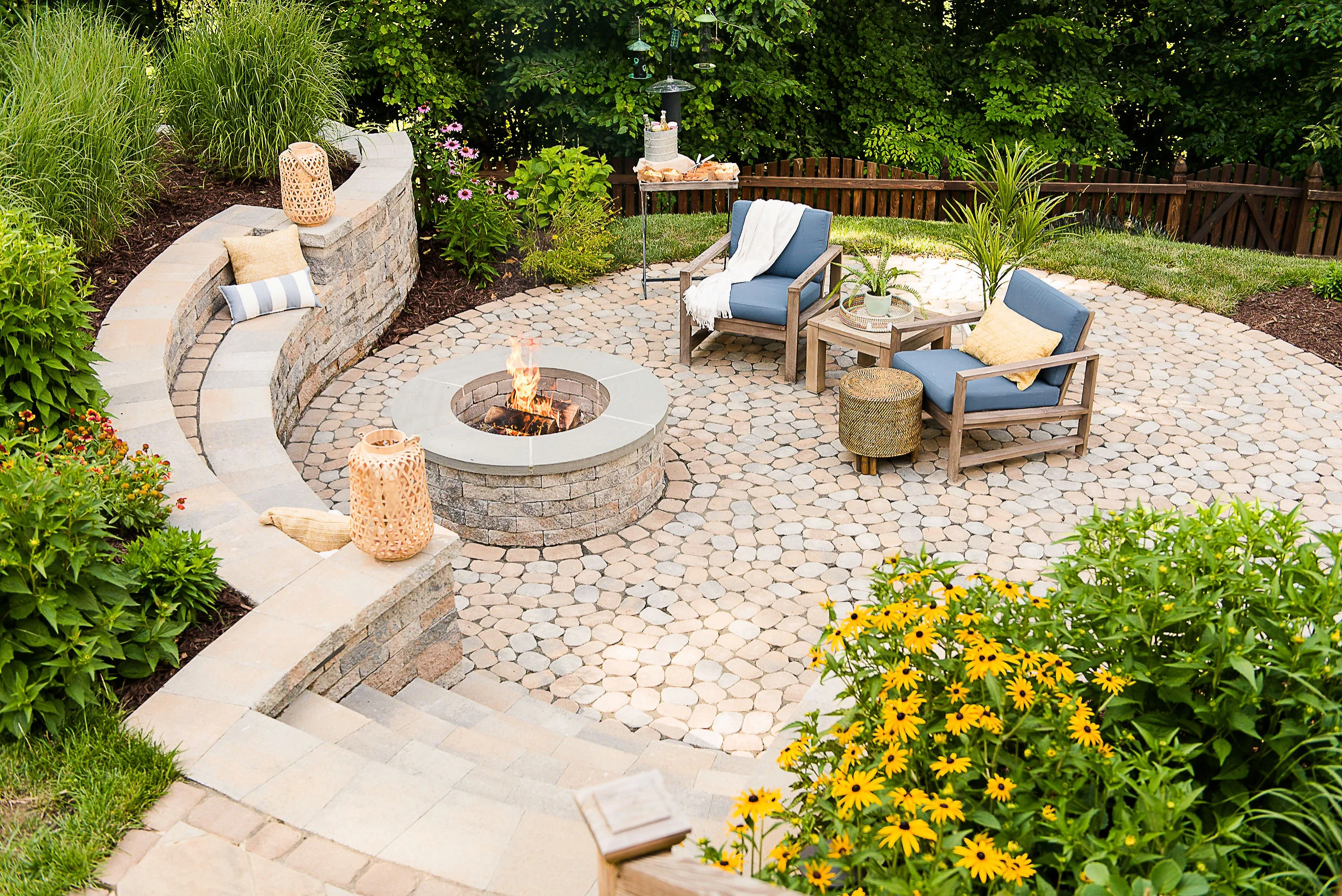
The solution lies in designing landscapes that emphasize drought tolerance, efficient irrigation, and materials that reduce upkeep. By selecting the right plants and incorporating eco-friendly features, you can create a front yard that conserves water, supports local ecosystems, and minimizes weekly chores.
Benefits Beyond Water Savings
While saving water is a primary motivation for low-maintenance landscaping, the advantages extend much further. Reducing lawn areas eliminates the need for constant mowing, which decreases noise pollution and fuel consumption, enhancing neighborhood serenity and air quality. Additionally, using drought-tolerant plants lessens the likelihood of fungal diseases and dead patches, common issues caused by overwatering or pet activity in traditional lawns.
Moreover, better soil management and effective hardscaping prevent erosion and runoff, especially on hillside properties. This improves the long-term health of your yard and reduces costly repairs. Ultimately, a well-planned low-maintenance landscape balances aesthetics and sustainability, creating an inviting outdoor space that thrives with minimal intervention.
Planning Your Low-Water Front Yard
Assessing Climate and Soil Conditions
Before beginning any landscaping project, it is crucial to understand your yard’s specific conditions. The challenge is that many homeowners fail to consider factors like sunlight exposure, soil type, and moisture distribution, leading to poor plant health and increased water use. In areas with limited rainfall, such as Fort Collins, Colorado, where the annual rainfall averages 15 inches, these considerations become even more critical.
Once you assess the conditions, including the soil’s drainage and organic content, you can plan accordingly. Poorly drained or compacted soils limit plant survival and water efficiency. Improving these soils with organic matter boosts water retention and allows roots to thrive, ultimately reducing irrigation needs. Taking time to evaluate these aspects ensures your landscape will be resilient and cost-effective.
Choosing the Right Landscape Design for Your Space
A common problem in low-water landscaping is selecting a design that doesn’t match the yard’s size, slope, or usage patterns. For example, ignoring slopes can result in soil erosion and water runoff, wasting valuable resources and destabilizing planting beds. A well-thought-out plan incorporates features such as terraces for slopes, grouping plants by water needs, and strategically placing hardscaping to slow water movement.
Creating an informal or detailed drought-tolerant landscape design helps phase the yard’s transformation gradually, allowing for budget management and adjustment based on plant performance. This proactive approach prevents costly mistakes, such as overhauling your entire lawn at once or installing improper irrigation systems. Thoughtful design maximizes water savings and reduces maintenance while maintaining curb appeal.
Best Plant Choices for Water Efficiency
Drought-Tolerant Plants That Thrive
Traditional lawns struggle under drought and heat due to shallow roots and lack of water-storing capabilities. This leads to dead patches, fungal diseases like fairy ring, and the need for frequent resowing or repair. A better solution is choosing drought-tolerant plants with deep roots and natural water storage. Plants such as agave, yucca, lavender, and ornamental grasses provide year-round texture and color while greatly reducing irrigation demands.
Selecting plants with inherent drought resistance decreases overall maintenance by minimizing watering and pest control. Additionally, grouping plants with similar water requirements together ensures efficient watering practices, preventing overuse or underwatering in certain areas. This grouped planting also enhances plant health, leading to a more resilient landscape that saves both water and time.
Incorporating Native Species
One overlooked cause of excessive landscape maintenance is introducing non-native or high-water-demand plants. Native species are adapted to local climates, soils, and pests, often thriving with minimal intervention. Incorporating native trees, shrubs, and flowers can improve biodiversity while reducing irrigation and fertilization needs.
Native plants not only conserve water but also support local wildlife such as pollinators, contributing to a healthier ecosystem. Their natural resilience to regional conditions also means they are less prone to disease and damage, making them an ideal choice for a low-maintenance front yard that stays vibrant through changing seasons.
Using Ground Covers to Reduce Evaporation
Uncovered soil releases water rapidly through evaporation, wasting irrigation efforts and increasing drought stress on plants. Ground covers solve this problem by shading soil surfaces and maintaining moisture levels. Suitable drought-tolerant ground covers include succulents and native low-growing plants that form dense mats, blocking sunlight and preventing weed growth.
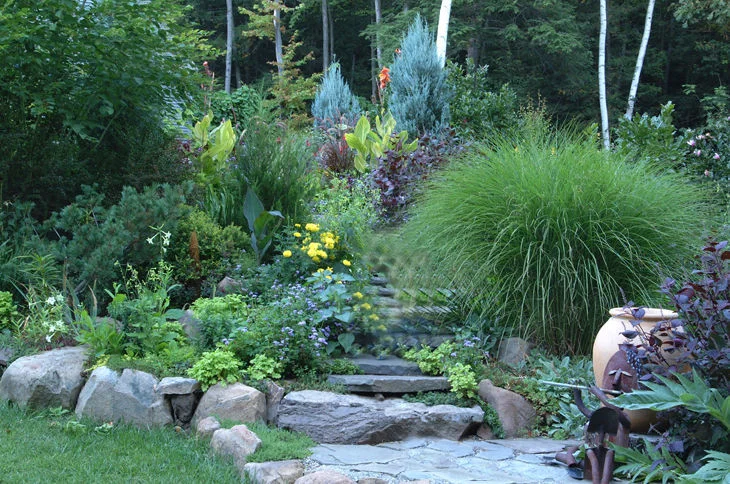
Replacing portions of lawn with ground covers or pollinator gardens also supports soil health and infiltration, mitigating erosion and runoff issues. They require less mowing and watering, making them a practical alternative that contributes to a sustainable, low-maintenance landscape.
Hardscaping Elements to Reduce Maintenance
Incorporating Mulch and Gravel Beds
Mulch is essential for moisture retention and weed suppression, but not all mulches perform equally. Organic mulches like bark chips may compact and reduce soil permeability, hindering healthy root development and self-seeding of plants. In arid climates, inorganic mulches such as pea gravel offer superior benefits by holding moisture, controlling weeds, and providing a stable walking surface.
Gravel beds also help retain heat during the day and release it at night, fostering better plant growth. Strategically mulching plants and irrigation lines with gravel eliminates the need for frequent watering and weed control, lowering maintenance time. Selecting the right materials for your yard’s conditions is crucial to achieving a sustainable, low-water landscape.
Installing Drip Irrigation Systems
Traditional overhead sprinklers often cause water waste through evaporation and runoff. This inefficiency becomes problematic in drought-prone areas or regions with rising water costs. Drip irrigation presents a solution by delivering water directly to plant roots, minimizing evaporation and runoff. Homeowners can retrofit existing systems by replacing spray heads with drip emitters to improve efficiency and reduce water consumption.
Drip systems also reduce weed growth by limiting water to target plants, lessening competition and maintenance. Watering early or late in the day further minimizes evaporation, stretching every drop of water. This approach creates a reliable watering method that supports plant health while saving resources.
Choosing Pathways and Borders Wisely
Pathways and borders are important functional and aesthetic features that, if poorly chosen, can increase maintenance and water waste. Solid concrete, for example, prevents water infiltration, leading to higher runoff and potential erosion. Instead, permeable materials like gravel or decomposed granite allow rainwater to percolate, reducing drainage problems.
DIY gravel pathways offer a budget-friendly and eco-friendly alternative to expensive hardscaping options. Using these materials creates natural boundaries that complement drought-tolerant plants and contribute to an overall low-water landscape design. This careful selection of hardscaping elements supports soil health and water conservation goals.
Year-Round Care Tips
Minimal Pruning and Weeding Strategies
A common mistake in low-maintenance landscaping is neglecting pruning and weed control, which can lead to overgrown, diseased plants and increased water demand. However, excessive pruning can also damage drought-tolerant species and increase maintenance needs. The solution is to implement minimal but strategic pruning schedules tailored to the plant species, promoting healthy growth without unnecessary stress.
Weeding should focus on occasional manual removal of stubborn grass patches and invasive plants, especially after turf removal or during dry months. Avoiding fabric weed barriers is recommended, as they interfere with natural reseeding and plant spreading. Mulching with pea gravel can help suppress weeds while allowing the landscape to evolve naturally.
Seasonal Watering Adjustments
Watering needs change with the seasons, and improper timing can lead to water waste or stressed plants. Overwatering, particularly during cooler months, encourages root rot and disease, while watering midday increases evaporation losses. The key is to water early in the morning or late in the evening and adjust frequency based on rainfall and temperature.
Container plants may require more frequent but controlled watering due to limited soil volume. Grouping plants by their water requirements aids in delivering precise irrigation. During prolonged droughts or heat waves, supplemental watering ensures plant survival without compromising water conservation goals. Smart watering practices are essential for maintaining a healthy, low-maintenance front yard throughout the year.


