
Understanding Sleep and Its Importance
The Science Behind Sleep Cycles
Imagine your body as a finely tuned orchestra, performing a nightly symphony that restores your mind and body. Sleep is not a single state but a complex cycle composed of stages including light sleep, deep sleep, and REM (rapid eye movement) sleep. Each stage has a unique role, from consolidating memories to repairing tissues. For example, deep sleep is when your body undertakes physical repair, while REM sleep supports emotional processing and creativity. Disrupting these cycles, even slightly, can lead to waking up feeling unrested despite spending hours in bed.
Common Causes of Poor Sleep Quality
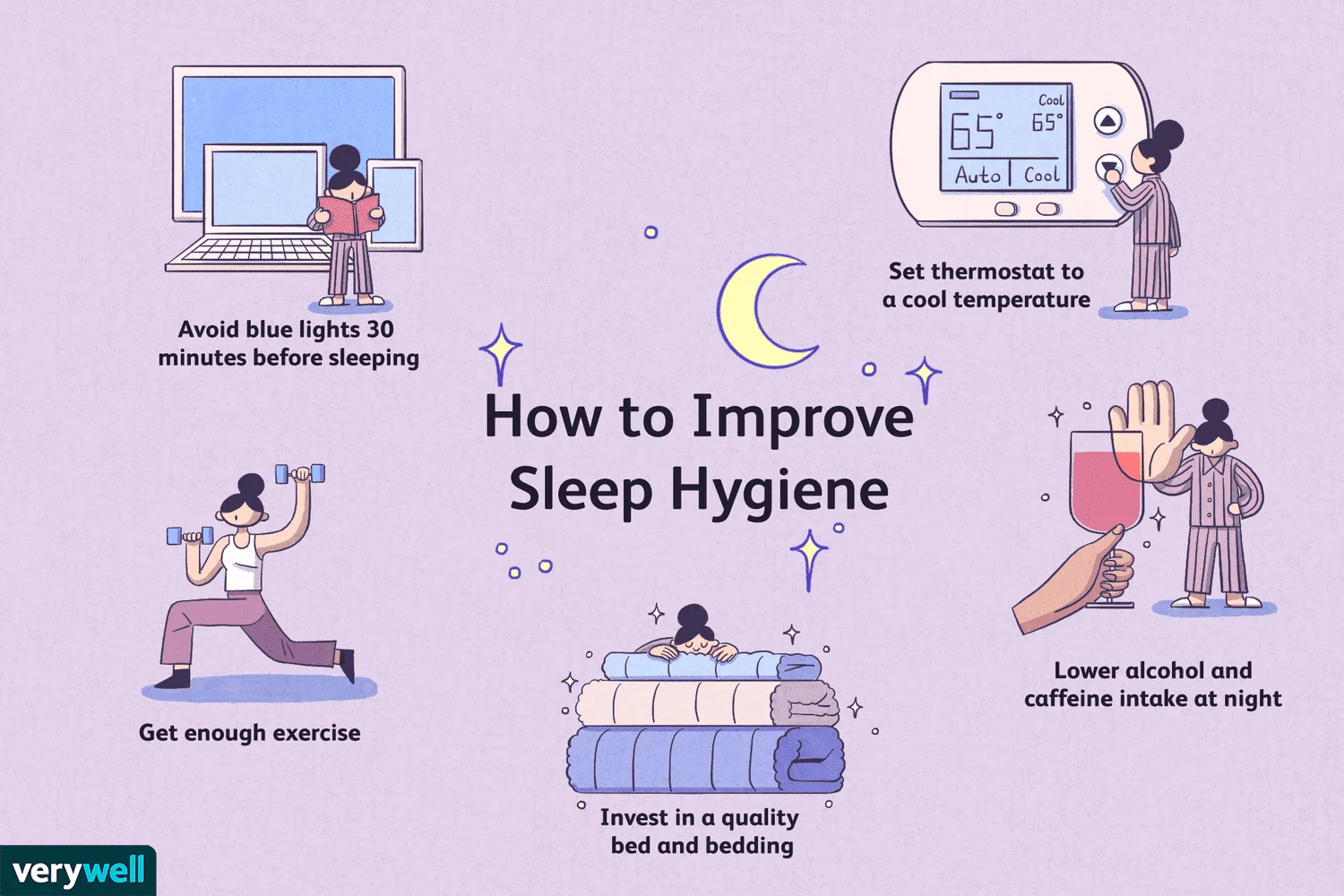
Consider the scenario of Jane, who works late into the night and often scrolls through her phone right before bed. She finds it hard to fall asleep and frequently wakes up during the night. Several factors contribute to her poor sleep quality: exposure to blue light from her devices, erratic sleep patterns, caffeine consumption during late afternoons, and a noisy neighborhood. Beyond personal habits, environmental factors such as uncomfortable room temperature or inadequate bedding can also play a significant role in undermining quality sleep.
Natural Lifestyle Changes to Enhance Sleep
Creating a Consistent Sleep Schedule
Mark used to go to bed whenever he felt tired, often varying between 10 p.m. and after midnight. This irregular pattern left him struggling to wake up in the morning and feeling groggy throughout the day. By setting a fixed bedtime and wake-up time, even on weekends, Mark gradually aligned his internal clock. This consistency helps regulate the body’s circadian rhythm, making it easier to fall asleep naturally and enjoy deeper rest. Over time, he noticed waking refreshed without needing an alarm clock.
The Role of Diet in Sleep Quality
Diet can silently affect how well you sleep. Alicia often had a late-night snack of chips and soda, and she noticed it disrupted her sleep. Foods high in sugar or heavy carbohydrates close to bedtime can interfere with the body’s ability to wind down. On the other hand, meals balanced with protein and healthy fats earlier in the evening support stable blood sugar levels and a calmer nervous system. Cutting down on caffeine hours before bed and avoiding alcohol too close to bedtime also make a noticeable difference in sleep quality.
Incorporating Physical Activity
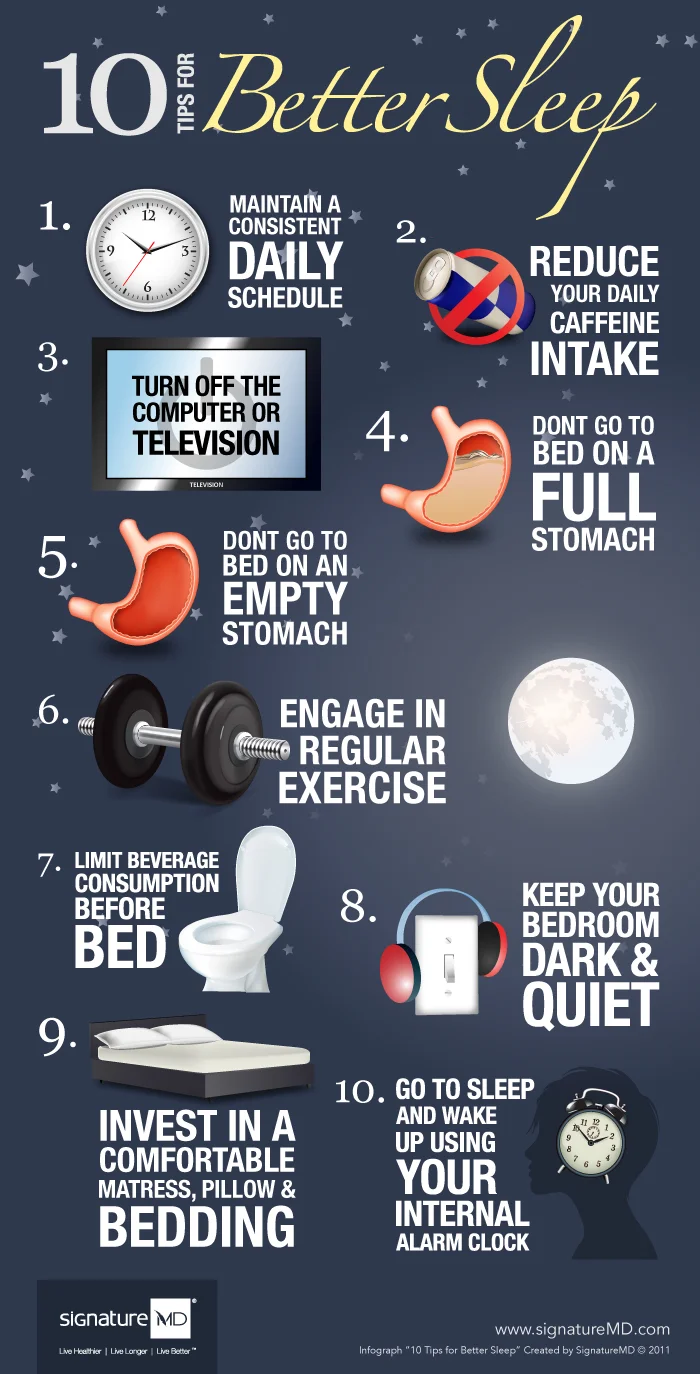
Physical activity boosts sleep, but timing matters. Take David, who exercised vigorously late in the evening, only to find it difficult to fall asleep afterwards. Shifting his workout to the morning or early afternoon helped him expend energy without overstimulating his nervous system at night. Regular, moderate exercise creates physical tiredness that promotes sleep, while also reducing stress and anxiety. However, exercising too close to bedtime can have the opposite effect, making rest elusive.
Optimizing Your Sleep Environment
Ideal Bedroom Temperature and Lighting
Creating the perfect sanctuary for sleep starts with the environment. Sarah struggled with falling asleep in her warm apartment during summer nights. Adjusting the thermostat to around 65°F (18.3°C) made a big difference in her comfort level. Furthermore, dimming lights well before bedtime signals the brain to prepare for rest. Bright or artificial lights, especially the blue light from screens, can suppress melatonin production, the hormone crucial for sleep. Using blackout curtains or eye masks helps maintain darkness, essential for uninterrupted sleep.
Choosing the Right Mattress and Pillows
When Carlos developed lower back pain, his sleep suffered greatly. After investing in a medium-firm mattress tailored to his comfort preferences and replacing his worn-out pillows, he found relief both in pain and sleep quality. The right bedding supports spinal alignment and reduces discomfort that might awaken you at night. Everyone’s needs differ, so selecting mattresses and pillows that suit your body shape and sleeping style can transform restless nights into restorative ones.
Minimizing Noise Disruptions
Jenny lives near a busy street and often wakes up due to passing cars and sirens. To combat this, she installed thick curtains and used earplugs on particularly noisy nights. Additionally, playing white noise or gentle ambient sounds created a consistent auditory backdrop that masked sudden disturbances. Creating a peaceful, quiet bedroom helps maintain uninterrupted sleep cycles, reducing the chances of waking up prematurely due to noise.
Relaxation Techniques for Better Sleep
Mindfulness and Meditation Practices
Ahmed struggled with a racing mind at bedtime, replaying work worries that blocked sleep. Introducing mindfulness meditation into his evening routine helped calm his thoughts. By focusing on the present moment and gently redirecting attention to breathing or body sensations, he felt more relaxed and ready for sleep. Many find that guided sleep meditations, available on various apps and platforms, provide structured ways to unwind and signal to the brain that it’s time to rest.
Breathing Exercises to Calm the Mind
Lisa used a simple breathing technique to ease tension before sleep. She practiced deep, slow breaths—inhale for four seconds, hold for seven, and exhale for eight. This pattern activates the parasympathetic nervous system, which reduces heart rate and promotes relaxation. Such controlled breathing can be especially helpful when anxiety or stress interferes with falling asleep, offering a practical, portable tool anytime you need to wind down.
Daily Habits to Avoid for Restful Nights
Limiting Screen Time Before Bed
Marcus noticed that scrolling through social media late at night made it harder for him to drift off. The blue light emitted by screens hinders melatonin production, delaying sleep onset. Reducing screen exposure at least an hour before bedtime, and using blue light blocking glasses if devices are necessary, helped Marcus regain control over his sleep pattern. Replacing screen time with relaxing activities like reading or listening to soft music fosters a more natural transition into sleep.
Avoiding Stimulants and Heavy Meals
For Anna, enjoying a strong coffee in the late afternoon was a daily habit that contributed to restless nights. She switched to decaffeinated drinks and limited caffeine consumption to mornings only. Additionally, she stopped eating heavy meals close to bedtime, finding that lighter dinners supported better digestion and prevented discomfort that previously kept her awake. These small steps made a significant impact over time, creating conditions more conducive to restful sleep.
Tracking and Assessing Sleep Progress
Using Sleep Diaries and Apps
Keeping track of sleep habits can reveal patterns and triggers that affect rest. John started recording his bedtime, wake-up time, and perceived sleep quality in a journal. This simple practice made him more aware of how late caffeine or irregular naps influenced his nights. There are also numerous apps that monitor sleep cycles using wearable devices, providing data that helps identify areas to modify. Over weeks, these tools enabled John to fine-tune his habits and see tangible improvements.
When to Seek Professional Help
While natural strategies often help significantly, there are times to consult a healthcare professional. If persistent sleep difficulties interfere with daily functioning despite lifestyle adjustments, or if symptoms such as loud snoring, gasping for air, or excessive daytime sleepiness occur, professional evaluation may be needed. Seeking guidance ensures that underlying conditions or complex issues are properly addressed, supporting the best possible sleep health.


