
Turning Leftover Vegetables into Culinary Delights
Identify Common Leftover Vegetables and Their Uses
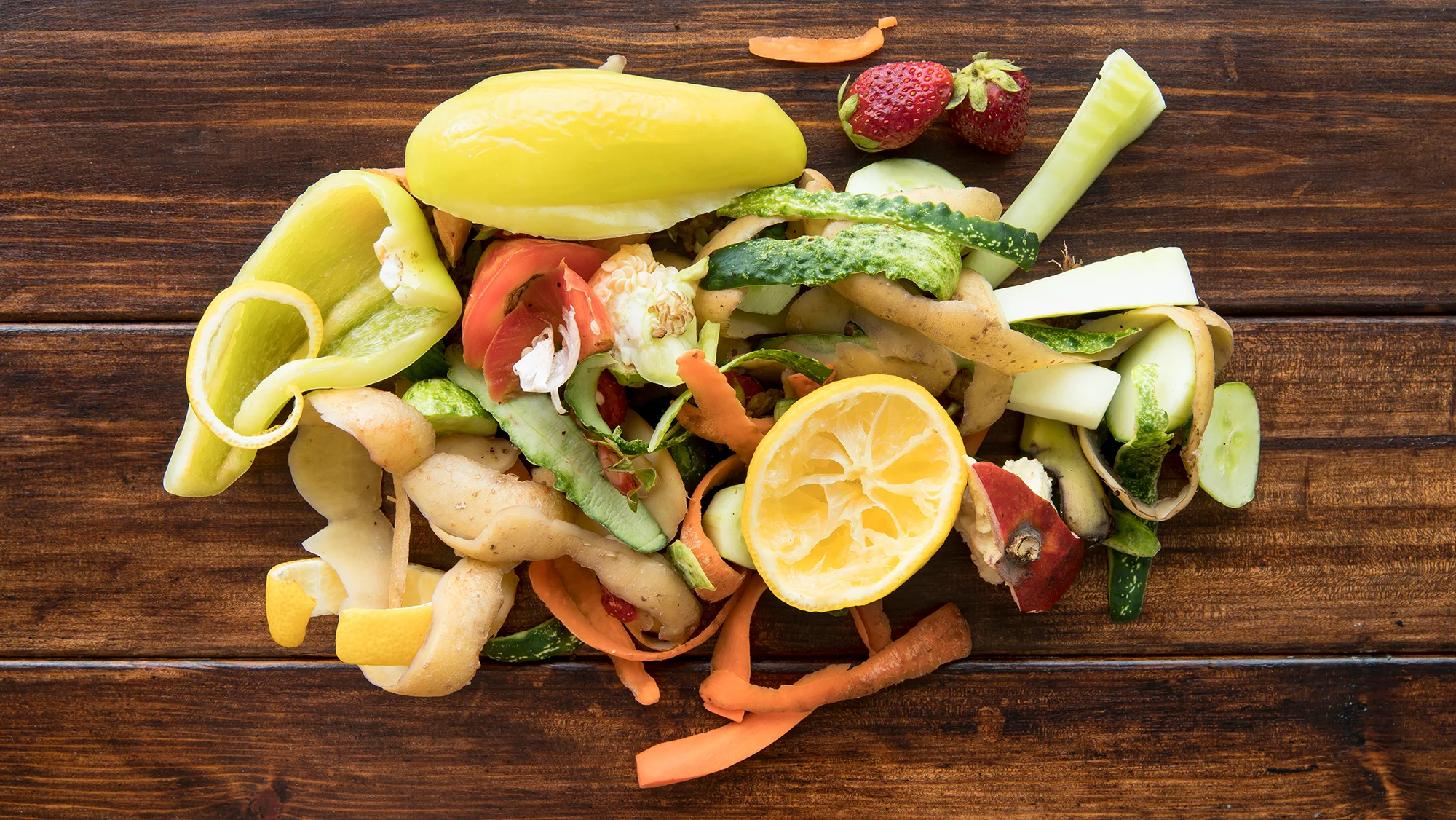
Many households frequently end up with leftover vegetable scraps such as onion ends, celery bits, kale stems, and potato skins. These often get tossed despite their potential for delicious second lives in the kitchen. For example, leek tops and broccoli stems, though overlooked, can be chopped finely and added to soups or salads for extra nutrition and flavor. Recognizing these common leftovers and understanding how to use them is the first step toward reducing food waste.
Simple Prep Techniques to Extend Vegetable Life
Preserving the freshness of vegetables before they turn unusable helps minimize waste. One effective method is placing wilting vegetables like carrots or zucchini in jars of water to perk them up temporarily. Additionally, storing vegetable scraps in the freezer allows you to accumulate enough for broths or soups later. Leaving skins on root vegetables or saving peels for making vegetable crisps is another way to extend vegetable life creatively.
Quick Recipes Highlighting Leftover Veggies
Leftover vegetables lend themselves well to quick and tasty preparations. Stir-fries are an excellent example, where assorted scraps come together with various sauces and proteins for a fast meal. Frittatas or omelets can incorporate chopped kale stems and leek tops, transforming simple eggs into nutrient-packed dishes. Even pizza toppings or pasta salads are enhanced by adding leftover vegetables, making each meal an opportunity to cut waste.
Innovative Storage and Preservation Tips
Freezing and Pickling Leftover Vegetables
Freezing is a straightforward way to preserve veggies that might otherwise spoil. Chopping and freezing old celery, onions, or carrots immersed in broth or water ensures they are ready for future soups or stews. Another preservation technique involves using fermented pickle brine as both a flavorful ingredient and a base for new pickling projects. This practice not only reduces waste but also supports gut health.
Dehydration Methods for Long-Term Use
Dehydration extends the shelf life of vegetable scraps by removing moisture, which prevents spoilage. Vegetable peels and thinly sliced skins can be dried and turned into crispy snacks, a nutritious alternative to chips. Herbs nearing the end of their life can be dried or frozen in cubes for later use. This method enhances versatility and ensures that no part of your vegetables goes unused.
Creating Vegetable Broths and Stocks
One of the most practical uses for leftover vegetable scraps is making homemade broth. By saving onion ends, celery bits, carrot peels, and other scraps in the freezer, you can accumulate enough to simmer into a rich, flavorful stock. This broth serves as a base for soups, stews, and sauces, adding depth without the need for store-bought alternatives that may go unused and spoil. Proper storage of these scraps is key for broth preparation.
Creative Meals from Leftover Vegetables
Vegetable Frittatas and Omelets
Egg-based dishes like frittatas and omelets present an excellent opportunity to upcycle vegetables. Finely chopped kale stems or leek tops combined with eggs create nutritious breakfast or brunch options. Sautéing these tough stems with shallots before adding them can soften their texture and flavor, making the dish more appealing. Such preparations help reduce waste while providing satisfying meals.
Stir-fries and Veggie-Packed Sauces
Stir-fries are a flexible dish to incorporate a variety of leftover vegetables. Using vegetables nearing spoilage is ideal since cooking them quickly softens their texture. Adding fresh herbs, green onion tops, or cilantro intensifies the flavors. Sauces can be varied using fermented pickle brine or homemade vinegar from fruit scraps to keep meals exciting and minimize waste simultaneously.
Homemade Vegetable-Based Snacks
Leftover vegetables can be transformed into snacks that are both tasty and nutritious. Vegetable skin crisps made from saved peels provide a crunchy alternative to conventional snacks. Freezing and blending ripe bananas into vegan puddings offers another creative use. Such snacks reduce the pressure to consume all produce immediately and provide healthier options between meals.
Transforming Leftover Vegetables into Garden Gold
Composting Kitchen Scraps
Composting is a natural way to return vegetable scraps to the earth, reducing landfill waste and creating nutrient-rich soil amendment. Vegetable ends, peels, and wilted greens break down to enrich compost piles. Proper composting requires balancing green and brown materials and turning the pile regularly, but it rewards gardeners with healthier soils and reduced waste.
Making Natural Plant Fertilizers from Veggie Waste
Beyond composting, some vegetable scraps can be turned into liquid fertilizers by fermenting them with water and sugar. This homemade fertilizer nourishes plants naturally and efficiently. Repurposing vinegar made from fruit scraps also serves as a mild treatment for pests. Such practices close the loop between kitchen and garden, exemplifying sustainability.
Community and Social Approaches to Reducing Veggie Waste
Sharing Excess Vegetables with Neighbors
When vegetable harvests or purchases exceed what you can use, sharing with neighbors is a generous way to prevent waste. Community exchange encourages deeper connections and redistributes food that might otherwise spoil. Informal exchanges or organized sharing groups foster cooperation and reduce the overall food waste footprint.
Donating Leftover Food to Local Charities
Local charities and food banks often welcome surplus fresh produce. Donating leftover vegetables helps those in need while diverting food from landfills. Establishing a relationship with nearby organizations streamlines this process, ensuring that your excess vegetables serve a positive purpose. Such social efforts complement personal strategies to cut food waste.


