
Understanding Dry Skin and Its Needs
Characteristics of Dry Skin
Dry skin often feels tight, rough, or flaky. It may appear dull and lack a natural glow due to insufficient moisture and a weakened skin barrier. This condition can make the skin more sensitive and prone to irritation. Dryness usually stems from environmental factors, genetics, or inadequate hydration.
Why Proper Layering Matters
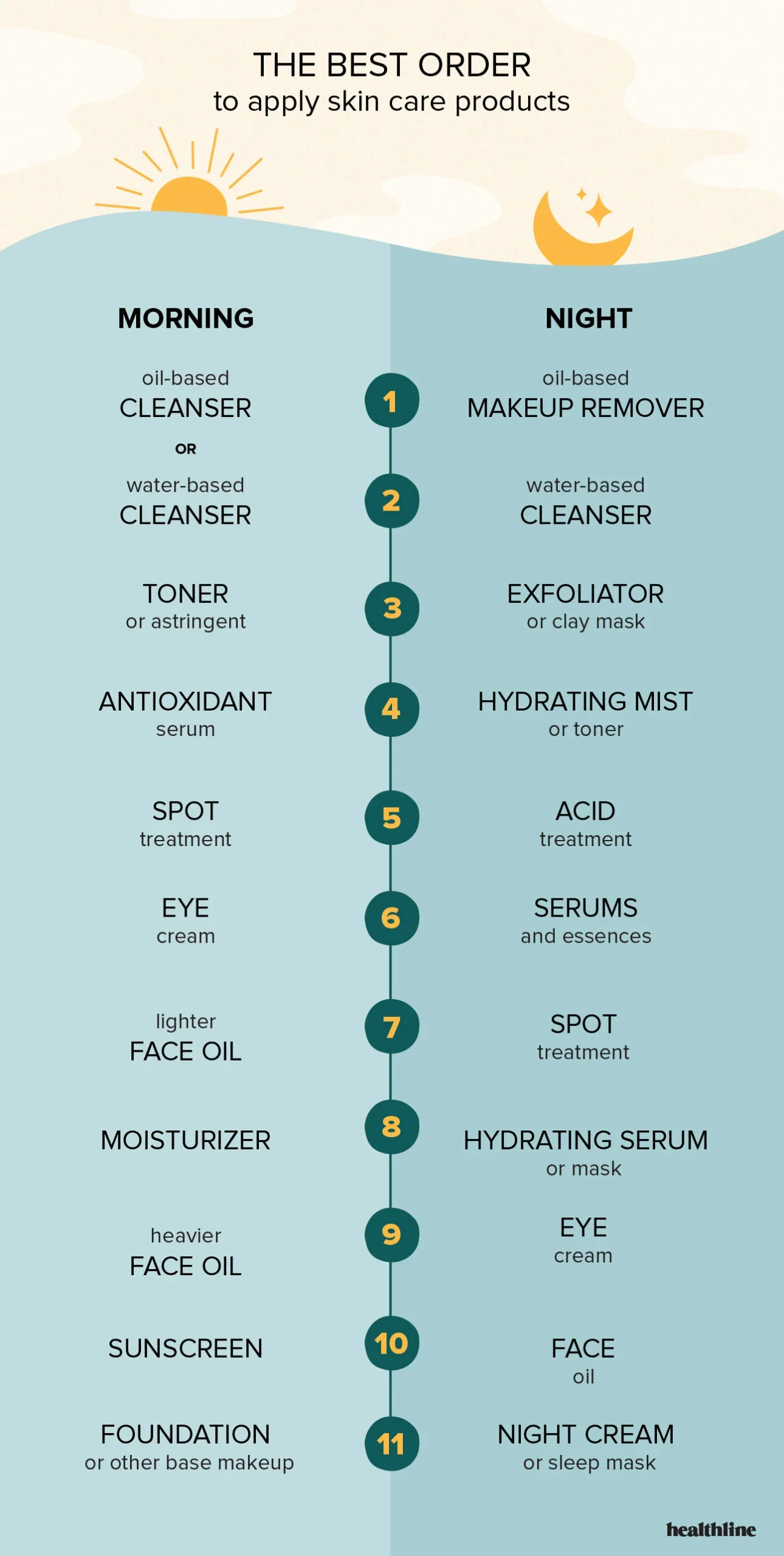
Applying skincare products in the right order ensures optimal absorption and effectiveness. Incorrect layering can clog pores, worsen dryness, or cause irritation. For dry skin, layering correctly helps lock in hydration, protect the skin barrier, and address dryness without overwhelming the skin with too many products.
Prepping Your Skin for Layering
Cleansing Techniques for Dry Skin
Using a gentle, non-stripping cleanser is crucial for dry skin. Cleansing should remove impurities and makeup without disrupting the skin’s natural oils. Rinse with lukewarm water to avoid stripping moisture. If skin is very dry, consider cleansing only at night and rinsing lightly in the morning to preserve hydration.
Importance of Toners and Essences
Toners balance the skin’s pH and remove residual impurities missed during cleansing. They prepare the skin for better absorption of subsequent products. Choose alcohol-free options with soothing and hydrating ingredients. Essences can add an extra layer of hydration and nourishment, enhancing the effectiveness of serums and moisturizers.
Step-by-Step Guide to Layering Skincare Products
Order of Application Explained
Correct layering starts with the lightest products and moves to heavier ones. Begin with cleansing, followed by toner or essence. Next, apply serums targeting specific concerns, then moisturizers to seal in hydration. Finish with heavier creams or oils if needed. This sequence ensures each product penetrates properly and works efficiently.
How to Apply Each Product Correctly
Use gentle patting or pressing motions to apply serums and essences, which aids absorption without tugging at the skin. Moisturizers should be applied in upward strokes, helping to lock in moisture. If using oils, apply them last to create a barrier that reduces water loss. Allow each layer to absorb before applying the next to avoid pilling or dilution.
Choosing the Right Products for Dry Skin
Hydrating Ingredients to Look For
Effective ingredients for dry skin include hyaluronic acid, which attracts water to the skin, and glycerin, which retains moisture. Ceramides help repair and strengthen the skin barrier, preventing moisture loss. Choose products rich in humectants and emollients to provide lasting hydration and softness.
Energy Boosters and Barrier Repair Options
For improving skin texture and resilience, antioxidants like vitamin C and mild chemical exfoliants such as AHAs can boost radiance by removing dead skin cells. Retinol, when introduced slowly and paired with hydrating serums, encourages cell turnover. Moisturizers with barrier-repair ingredients like niacinamide and fatty acids support long-term skin health.
Common Mistakes to Avoid When Layering
Overloading Your Skin
Piling on too many creams, oils, or potent actives can overwhelm dry skin, leading to clogged pores or irritation. Simplicity is key: choose a few targeted products that harmonize rather than crowd the skin. This approach reduces the risk of dryness and supports a balanced, healthy complexion.
Ignoring Waiting Times Between Layers
Failing to allow products to absorb before applying the next layer can cause pilling and reduce product effectiveness. Patience between steps lets each formula penetrate the skin fully. This practice is especially important when using treatments like retinol or chemical exfoliants to minimize irritation and maximize benefits.
Bonus Tips: Maximizing Results with Dry Skin
Adjusting Your Routine Seasonally
Dry skin’s needs often change with the seasons. In colder months, incorporate richer moisturizers and hydrating masks to combat dryness. During warmer weather, lighter textures and increased sunscreen use help maintain balance without excess heaviness. Adapting your routine ensures continuous skin comfort and protection.
Incorporating Facial Oils and Masks
Facial oils can be a valuable final step to seal in moisture. Use non-comedogenic oils like squalane to prevent water loss without clogging pores. Hydrating masks applied once or twice a week add an extra boost of moisture and support barrier repair. Select masks formulated for dry or sensitive skin to avoid irritation.


