
Understanding Severe Hair Damage and Dryness
Common Causes of Hair Damage
Severe hair damage and dryness often result from a combination of factors. Heat styling tools like straighteners and curling irons break down hair structure over time. Chemical treatments such as bleaching, coloring, and perming weaken the hair’s integrity, leading to dryness and brittleness. Excessive washing strips natural oils, while rough handling from aggressive brushing exacerbates breakage. Tight hairstyles, including ponytails and braids, stress hair roots and cause further damage. Using inappropriate hair products or layering too many styling products creates build-up, affecting hair health and appearance. Environmental factors like ocean water exposure without conditioning also contribute to dryness and scalp discomfort.
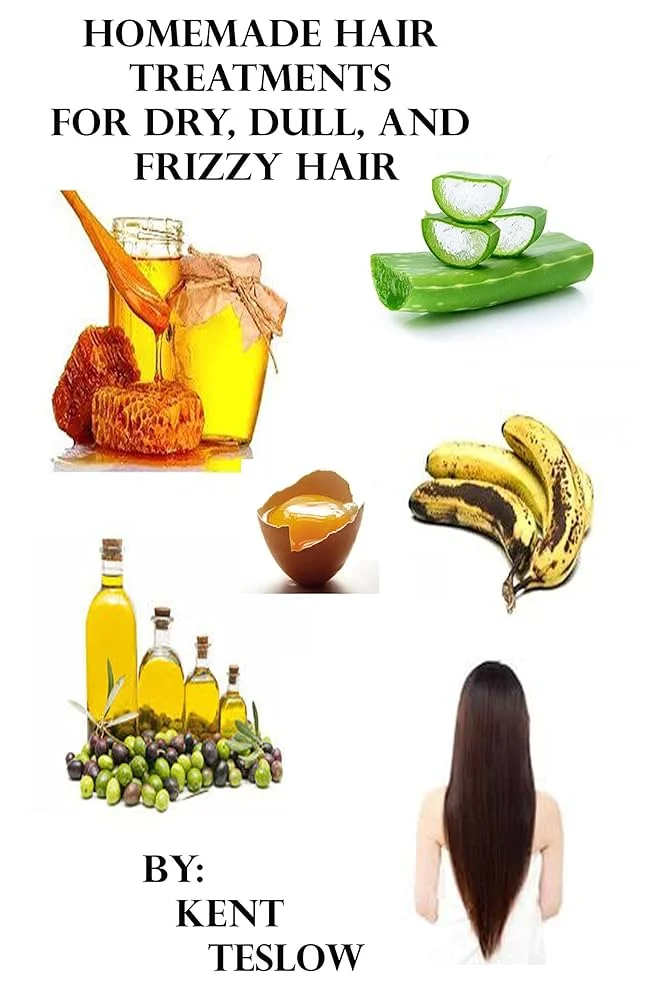
Signs Your Hair Needs Immediate Repair
Recognizing when your hair is in distress is essential to prevent irreversible damage. Indicators include dry, crunchy strands and painful scalp sensations often linked to over-processing. Hair breakage and split ends, dullness, and noticeable brassiness during a hair color transition are clear signals. Frizz and loss of shine suggest the cuticle is compromised. If hair feels lifeless and resistant to styling, it needs immediate care. Early attention helps restore moisture and strength before damage worsens.
Top At-Home Treatments to Restore Hair Health
Deep Conditioning Masks: Ingredients and Benefits
Deep conditioning masks are vital for replenishing moisture in dry, damaged hair. Effective masks often contain nourishing oils, proteins, and moisturizers that penetrate deep into the hair shaft. Using a thick, jelly-like shampoo before applying masks ensures gentle cleansing without stripping oils. Masks such as the Cécred Reconstructing Treatment for curly hair or the Olaplex Weightless Nourishing Mask for fine strands deliver intensive hydration tailored to specific hair types. Leave these masks on for 5-10 minutes or overnight to maximize absorption and repair effects.
DIY Oils and Serums for Intense Moisturization
Natural oils and serums add softness and shine while protecting from further damage. Products like Moroccanoil Treatment Original restore moisture for second-day hair, while Gisou Honey Milk 5-in-1 Cream offers heat protection and styling benefits. Lightweight oils such as Bumble and Bumble Invisible Oil Spray minimize build-up and keep the hair manageable. Applying these treatments sparingly prevents weighing hair down and maintains a healthy scalp.
Protein Treatments: When and How to Use Them
Protein treatments strengthen the hair’s inner core and rebuild the cuticle. They should be incorporated regularly but not excessively, as too much protein can make hair stiff. Bond-repairing masks like the K18 Leave-In Molecular Hair Mask and Amika Repair Treatment help to rebuild broken bonds caused by heat and chemical stress. Applying protein treatments on shampooed, unconditioned hair and allowing a few minutes for absorption ensures optimal results. These treatments work best combined with moisturizing products for balanced repair.
Creating a Personalized Hair Repair Routine
Step-by-Step Weekly Hair Care Plan
Start by washing hair only three times a week using gentle, thick shampoos such as OGX Moroccan Argan Oil or Davines Nounou Nourishing Shampoo. Follow with a deep conditioning mask or regular conditioner tailored to your hair type. Pre-shampoo masks like Bumble and Bumble’s Invisible Oil Balm-to-Oil applied every 3-4 washes protect hair from damage during cleansing. Incorporate leave-in treatments such as Crown Affair Overnight Repair Serum or Redken One United Spray to hydrate and detangle. Minimize heat styling and always use heat protectants like Gisou Honey Milk during styling. Adjust product layering based on hair response and damage level.
Tools and Products to Avoid During Recovery
Avoid excessive brushing and tight hairstyles that stress hair roots and contribute to breakage. Over-washing should be minimized to preserve natural oils. Steer clear of harsh shampoos and heavy styling products that cause build-up and damage. Frizz control products that weigh hair down should be replaced with lightweight alternatives. Lastly, intensive home color treatments without professional guidance risk further dryness and breakage during the recovery phase.
Enhancing Treatment Effectiveness
Scalp Care and Its Role in Hair Repair
Healthy hair starts with a healthy scalp. Regular scalp care helps stimulate follicles and removes buildup that can hinder hair growth. Use gentle oils and treatments that calm irritation and support hydration. Avoiding harsh shampoos and massaging the scalp during washing encourages blood circulation and promotes stronger hair regrowth. Keeping the scalp balanced prevents dryness and scalp pain associated with chemical and environmental damage.
Heat Protection Tips and Strategies
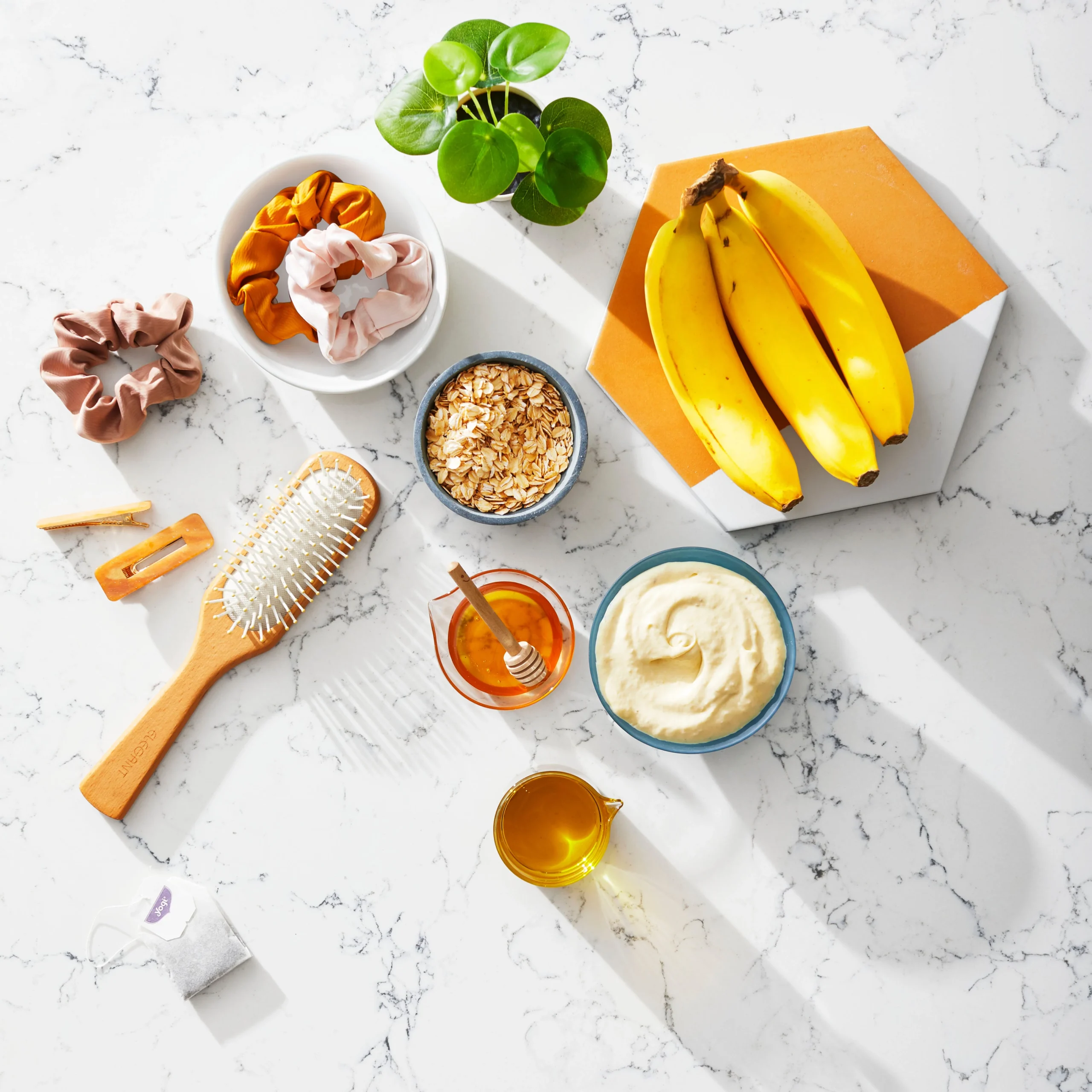
Protecting hair from heat damage is critical during styling. Always apply heat protectant products like Oribe Hair Alchemy Fortifying Serum before using styling tools. Limit the frequency and temperature settings of heat tools. Incorporate lightweight styling creams such as Gisou Honey Milk 5-in-1 for added moisture and defense. Using bond-building treatments before heat exposure preserves the hair’s natural strength and minimizes breakage.
Long-Term Maintenance for Healthy Hair
Daily Habits to Prevent Future Damage
Adopt gentle hair care habits like using wide-tooth combs and avoiding tight hairstyles. Wash hair with mild, nourishing shampoos and condition consistently, especially after exposure to damaging elements like sun, ocean water, or chlorine. Limit the use of styling products to what is necessary for manageability. Sleep on towels instead of silk when using heavy conditioning masks to protect bedding. Consistent use of leave-in treatments and serums keeps hair hydrated and resilient.
When to Seek Professional Help for Severely Damaged Hair
If severe dryness, breakage, and scalp discomfort persist despite home treatments, consult a professional. Hairdressers and dermatologists can offer tailored treatments and trims to remove damaged ends. Professional advice ensures safe chemical treatments and color correction while preventing further damage. Early intervention by experts accelerates recovery and maintains long-term hair health.


