
Understanding Color-Damaged Hair
What Causes Damage from Hair Coloring
Hair coloring involves chemicals that penetrate the hair shaft to deposit pigment. These chemicals, especially in conventional dyes, strip hair of its natural oils and moisture. The chemical process opens the hair cuticle to allow color to penetrate, but this disrupts the hair’s protective structure. Frequent coloring without adequate care further weakens hair integrity, leading to dryness, brittleness, and increased susceptibility to breakage.
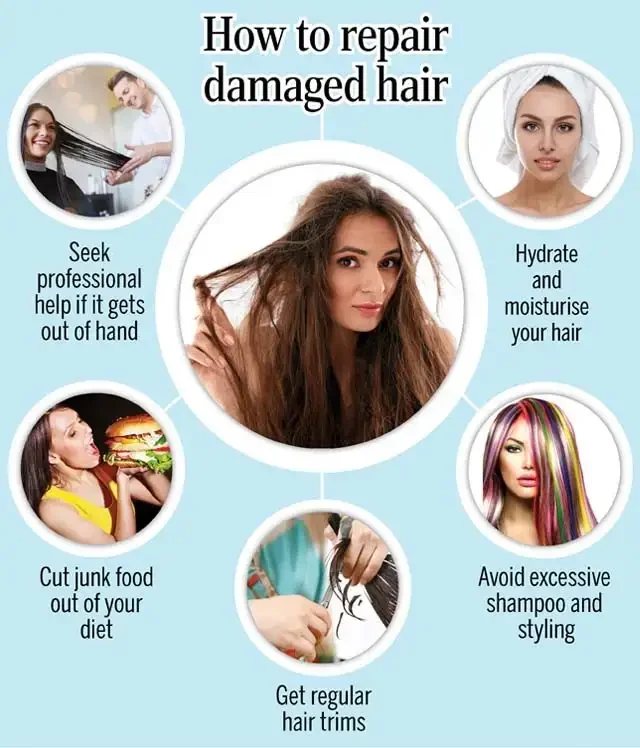
Signs Your Hair Needs Repair
Color-damaged hair often feels rough and brittle to the touch. You may notice excessive frizz, split ends, or a loss of natural shine and elasticity. Dullness is also common as the hair cuticles remain open but unable to retain moisture effectively. If your hair breaks easily or feels coarse after coloring, it’s a clear signal that repair and deep conditioning are essential.
Benefits of Using Natural Ingredients for Hair Repair
Why Choose Natural over Chemical Treatments?
Chemical repair treatments can further stress already damaged hair by introducing more harsh components. Natural ingredients provide a gentle alternative, nourishing hair without harmful side effects. They help restore hair’s moisture balance, soothe irritation, and promote healing in a holistic manner. Using natural remedies results in healthier, more resilient hair over time.
Key Nutrients in Natural Ingredients That Heal Hair
Natural ingredients are rich in vitamins, minerals, and antioxidants critical for hair health. For instance, vitamins A, E, and C support cell repair and improve scalp circulation. Fatty acids help rebuild the lipid barrier, sealing moisture inside the hair. Proteins and enzymes facilitate the repair of damaged strands and strengthen hair from root to tip.
Top Natural Ingredients for Repairing Color-Damaged Hair
Avocado: Deep Moisturizing and Nourishing Properties
Avocado is loaded with healthy fats and vitamins that deeply hydrate dry hair. Its creamy texture helps fill in gaps in the hair cuticle, smoothing strands and reducing breakage. Regular use restores softness and elasticity, making hair more manageable after chemical damage.
Coconut Oil: Restoring Shine and Strength
Coconut oil penetrates deeply into the hair shaft, replenishing lost protein and moisture. It forms a protective layer to reduce protein loss during washing and styling. This oil is known to increase hair strength while enhancing natural shine, leaving hair looking vibrant and healthy.
Aloe Vera: Soothing and Hydrating Scalps and Strands
Aloe vera gel offers natural anti-inflammatory and moisturizing benefits. It calms irritated scalps often sensitive after coloring. The gel also helps retain moisture in the hair, preventing dryness and promoting softness. Its enzymatic properties encourage the removal of dead skin cells on the scalp for healthier growth.
Honey: Natural Humectant for Retaining Moisture
Honey attracts and locks in moisture, making it an ideal ingredient for repair masks. It softens hair fibers while adding shine. Honey also has antioxidant and antimicrobial qualities that maintain scalp health, reducing flakiness and irritation caused by chemical treatments.
Step-by-Step At-Home Repair Treatments
DIY Avocado and Honey Hair Mask

Mash one ripe avocado with two tablespoons of honey until smooth. Apply the mixture generously from roots to tips, focusing on dry areas. Leave it on for 30 to 45 minutes before rinsing thoroughly with cool water. This mask deeply nourishes and restores moisture to the hair.
Coconut Oil Overnight Treatment
Warm two tablespoons of coconut oil slightly and massage it into your scalp and hair strands. Cover your hair with a shower cap and leave it overnight. In the morning, shampoo gently to remove excess oil. This treatment helps rebuild strength and adds long-lasting shine.
Aloe Vera Gel Scalp Application
Extract fresh aloe vera gel and apply it directly to your scalp. Leave it for 20 minutes to hydrate and soothe any irritation. Rinse with lukewarm water and follow with a mild conditioner. This simple remedy supports scalp health and enhances hair moisture retention.
Daily Hair Care Tips to Prevent Further Color Damage
Using Gentle Shampoos and Conditioners
Select sulfate-free shampoos designed to preserve moisture and protect hair color. These formulas cleanse without stripping essential oils. Pair them with conditioners rich in natural oils and proteins to maintain softness and strength between treatments.
Limiting Heat Styling and Chemical Exposure
Excessive heat from styling tools further depletes moisture and weakens color-treated hair. Minimize the use of flat irons, curling wands, and blow dryers. Avoid overlapping chemical treatments, which compound damage and increase the risk of breakage.
Proper Hair Drying and Brushing Techniques
Pat hair dry with a soft towel instead of rubbing vigorously to reduce mechanical damage. Use wide-tooth combs to detangle wet hair gently, preventing unnecessary pulling and snapping. These small changes help maintain hair integrity and reduce frizz.
When to Consult a Professional
Identifying Severe Damage That Needs Expert Care
If hair shows extensive breakage, severe dryness, or scalp irritation that does not improve with home care, professional intervention is advisable. Experts can evaluate damage levels and recommend treatments like protein rebuilding or salon-grade conditioning therapies.
Combining Natural Remedies with Professional Treatments
Integrating natural home treatments with professional services creates a balanced repair routine. Professionals can provide deep restorative care while natural ingredients maintain results and promote long-term hair health. This combined approach optimizes recovery from color damage.


