
Understanding the Basics of Vegan Meal Prep for Weight Maintenance
Why Choose Vegan Meal Prep?
Vegan meal prep offers a powerful way to maintain weight while enjoying nutrient-dense, plant-based foods. It supports weight management by providing control over ingredients, portion sizes, and nutritional balance. Embracing vegan meal prep reduces reliance on processed foods, enhances fiber intake, and typically lowers saturated fat consumption. Additionally, it promotes environmental sustainability and aligns with ethical food choices.
Key Nutritional Considerations for Weight Maintenance
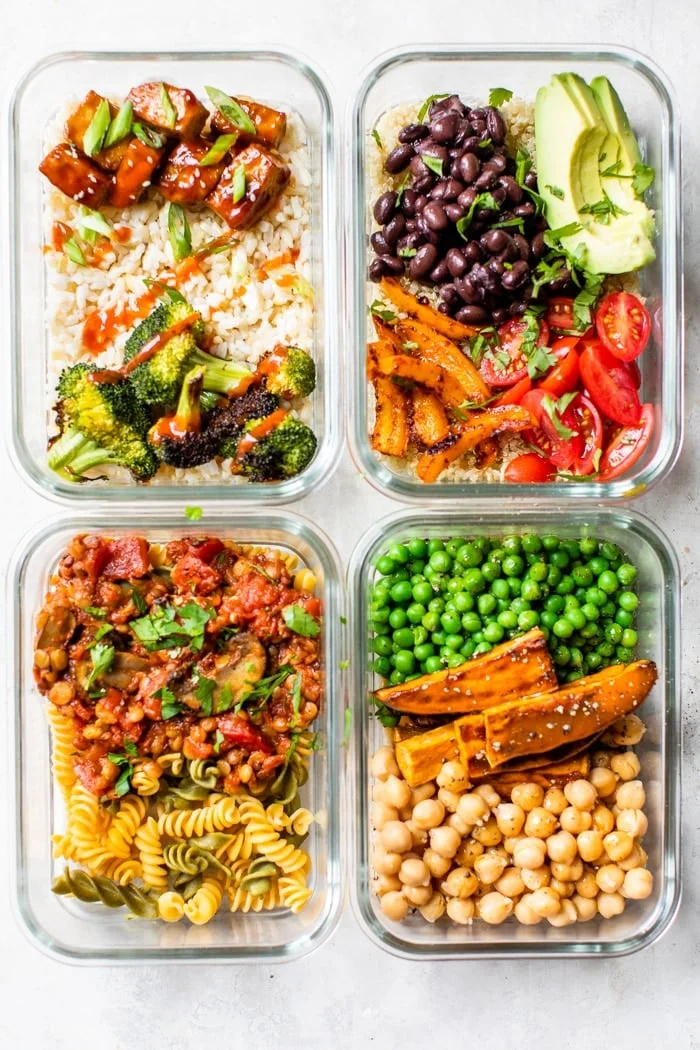
Maintaining weight on a vegan diet requires careful attention to both macronutrients and micronutrients. Protein needs must be met through a variety of plant sources such as beans, lentils, tofu, and whole grains. Ensuring adequate intake of vitamin B12, iron, calcium, omega-3 fats, and vitamin D is equally important, often necessitating fortified foods or supplements. Balancing carbohydrates and healthy fats helps sustain energy without excess calories, supporting a stable weight.
Essential Ingredients and Tools for Effective Vegan Meal Prep
Pantry Staples and Fresh Produce Must-Haves
Successful vegan meal prep starts with stocking a well-rounded pantry. Staples include whole grains like brown rice and oats, legumes such as chickpeas and black beans, and nutrient-rich nuts and seeds. Fresh produce is essential, focusing on leafy greens, cruciferous vegetables, colorful peppers, and root vegetables. Incorporating a diversity of fruits and vegetables ensures a wide array of vitamins, minerals, and antioxidants, vital for health and maintenance.
Kitchen Tools That Simplify Meal Prep
Having the right tools can transform meal prep into an efficient process. An Instant Pot or pressure cooker speeds up cooking grains and beans. Quality knives and cutting boards make prepping vegetables quicker and safer. Storage containers designed for stacking and portioning preserve freshness and simplify organization. A good blender or food processor aids in making sauces, hummus, and smoothies, adding flavor and nutrition with minimal effort.
Step 1: Planning Your Weekly Vegan Meals
Balancing Macronutrients for Weight Maintenance
Designing meals with balanced macronutrients is crucial to avoid energy dips and support weight stability. Each meal should integrate protein-rich plant foods, complex carbohydrates, and healthy fats. This balance helps control hunger, prevents overeating, and fuels daily activities. Including vegetables and fiber-rich ingredients not only supports digestion but also adds bulk to meals without excessive calories.
Creating a Realistic and Varied Menu
Variety keeps meal prep enjoyable and nutritionally complete. Planning menus with different grains, legumes, and vegetables across the week prevents boredom and nutrient gaps. Combining flavors inspired by different cuisines enhances meal appeal—think Mediterranean roasted vegetables, Asian-inspired tofu dishes, or Mexican bean salads. Keeping menus adaptable and simple encourages consistency and long-term success.
Step 2: Shopping Smart for Vegan Ingredients
Making a Detailed Grocery List
Effective shopping starts with a comprehensive grocery list based on your planned meals. Listing all necessary grains, legumes, veggies, fruits, and seasonings reduces impulse purchases and ensures you have everything on hand. Categorize items by sections such as produce, pantry, refrigerated goods, and spices. This approach saves time while promoting mindful, efficient shopping trips.
Tips for Budget-Friendly Vegan Shopping
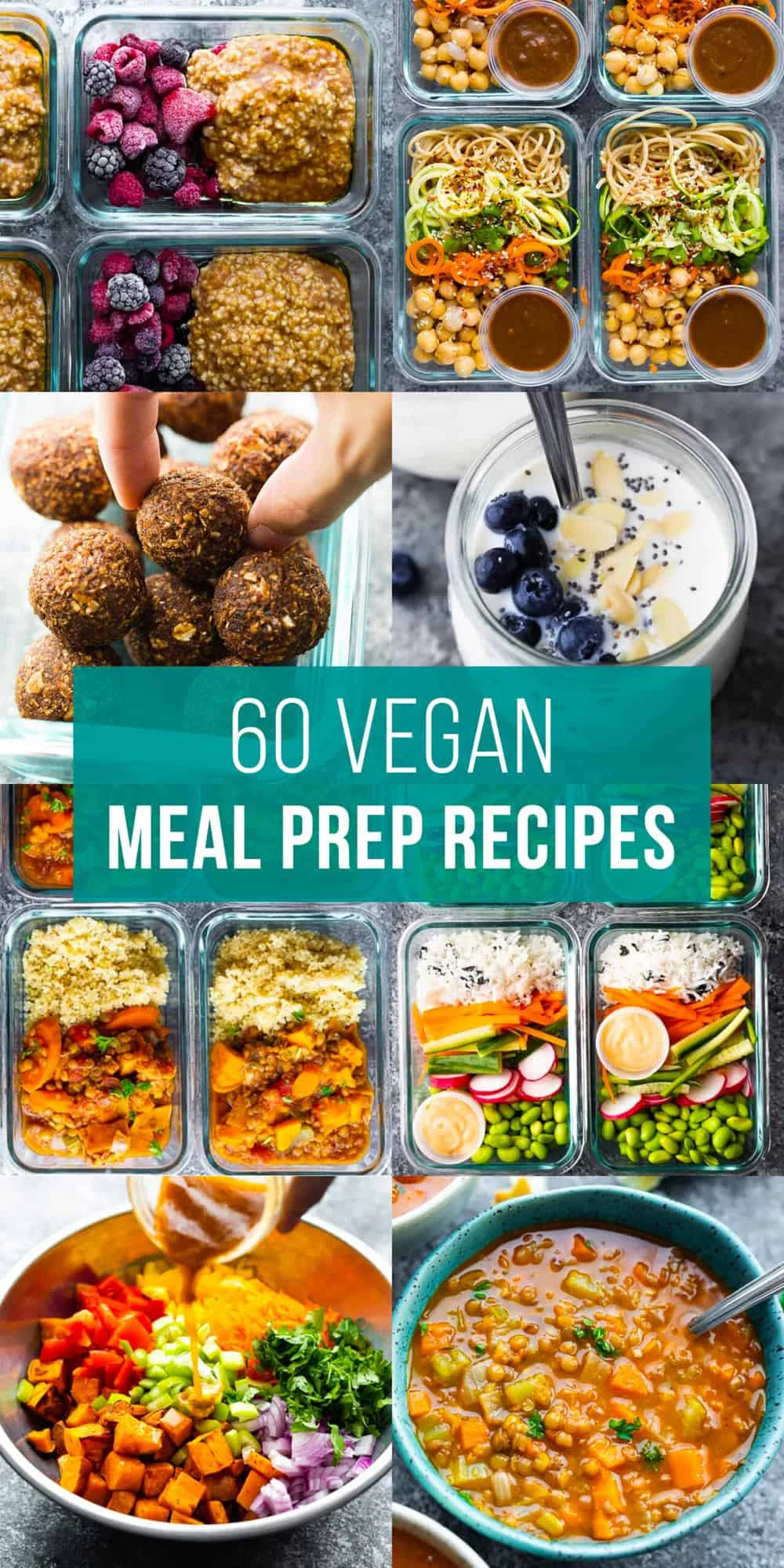
Vegan meal prep doesn’t have to be expensive. Buying staples in bulk, purchasing seasonal produce, and choosing frozen vegetables can reduce costs without sacrificing nutrition. Shopping ethnic markets often offers affordable grains and legumes. Preparing meals at home rather than eating out further stretches the budget. Planning meals around sales and discounts helps maintain affordability while enjoying variety.
Step 3: Meal Preparation and Cooking Techniques
Batch Cooking Basics
Batch cooking is essential for efficient vegan meal prep. Preparing large quantities of grains, beans, and vegetables at once saves time during the week. Multi-purpose dishes such as stews, stir-fries, and grain bowls can be easily varied by swapping sauces or toppings, enhancing flavors and preventing monotony. This method encourages consistency and reduces daily stress about what to cook.
Time-Saving Hacks for Efficient Meal Prep
Simple techniques can significantly cut meal prep time. Using an Instant Pot or slow cooker allows hands-off cooking of beans and grains. Steaming or roasting vegetables in bulk provides versatile side dishes. Preparing sauces and dressings in advance adds flavor without daily effort. Utilizing the microwave for quick items like hummus or reheating meals adds convenience to a balanced routine.
Step 4: Portioning and Storing Your Meals
Proper Food Storage to Preserve Freshness
Storing meals correctly is key to maintaining taste and nutrition. Use airtight containers and refrigerate meals promptly. Labeling containers with dates helps track freshness. Freezing portions of grains, beans, or cooked dishes extends shelf life and reduces waste. Keeping vegetables separate from sauces until serving preserves texture and flavor integrity.
Portion Control Tips to Maintain Weight
Controlling portion sizes prevents overeating and supports weight maintenance. Measuring servings according to your nutrition goals helps keep calorie intake in check. Using compartmentalized containers encourages balanced portions of proteins, carbs, and vegetables. Paying attention to hunger and fullness cues during meals also aids in avoiding unnecessary snacking.
Step 5: Staying Consistent and Adjusting Your Plan
Tracking Your Progress
Monitoring food intake and feelings of satiety helps identify what’s working and what needs adjustment. Keeping a simple food diary or using nutrition tracking apps can highlight nutritional gaps or excesses. Tracking progress allows for informed decisions to optimize nutrient balance and energy levels, supporting sustained weight maintenance.
Modifying Meal Plans Based on Results
Flexibility is important when adapting your vegan meal prep routine. Adjust recipes and portion sizes based on how your body responds and lifestyle changes. Experiment with new ingredients or cooking methods to maintain interest. Revisiting nutrition goals periodically ensures continued alignment with health and weight maintenance objectives.


