
Introduction to Heart-Healthy Meal Prep on a Budget
Understanding the Basics of a Heart-Healthy Diet
Maintaining a heart-healthy diet is crucial for reducing the risk of cardiovascular diseases and promoting overall well-being. A heart-healthy eating pattern typically emphasizes foods low in saturated fat, sodium, and added sugars, while prioritizing high-fiber ingredients, lean proteins, and plenty of fruits and vegetables. However, many people struggle to maintain these principles consistently, especially when faced with financial constraints.
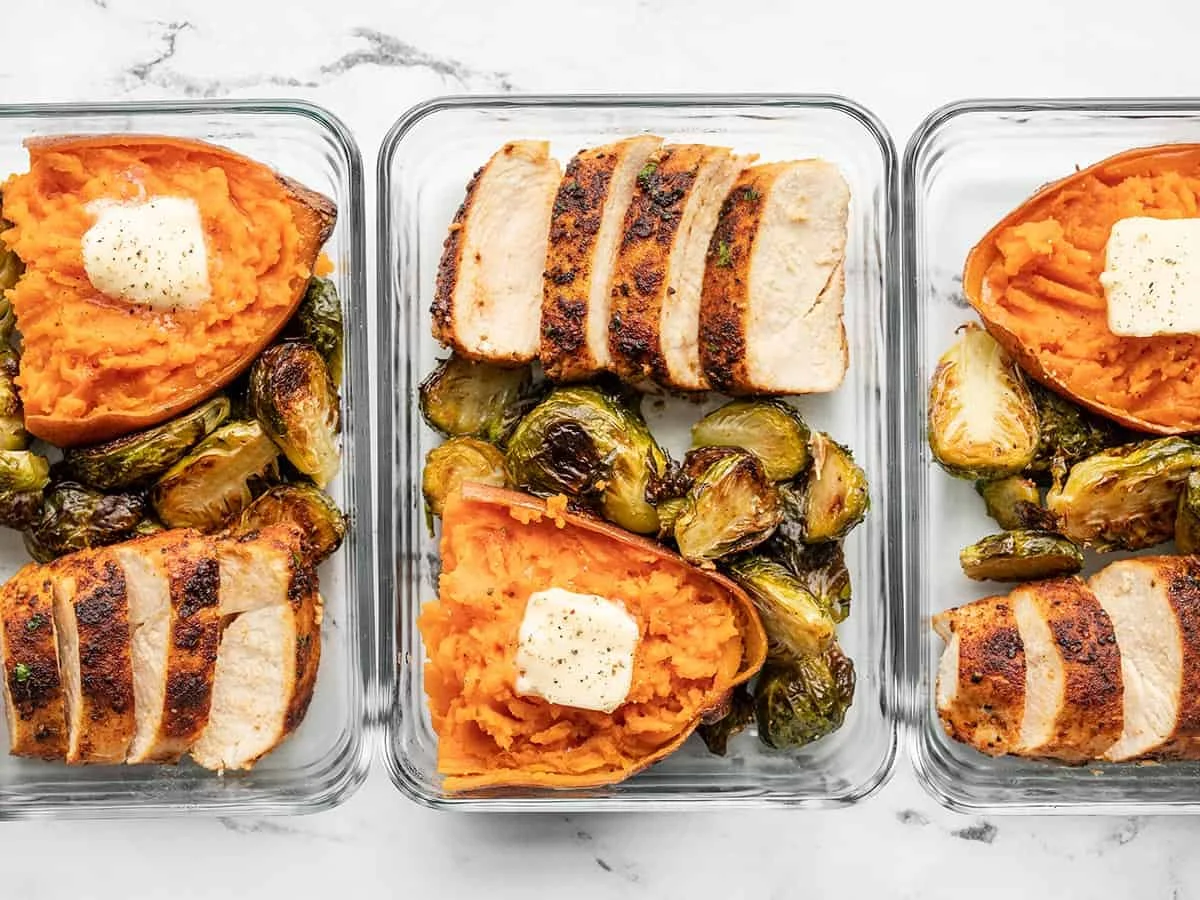
Understanding these fundamentals helps in making conscious food choices that support heart health. Balancing starchy carbohydrates, proteins, fats, and a variety of colorful produce aligns with many national guidelines, such as the UK Government’s Eatwell Guide. This balance ensures vital nutrients are present without overloading on calories or unhealthy fats.
Why Meal Prep Saves Money and Improves Health
The challenge often lies in transforming good intentions into manageable daily habits. Without planning, people frequently resort to convenient but less healthy options, leading to higher costs and poor nutrition. Meal prepping addresses this by encouraging the preparation of meals in advance, which helps avoid impulsive purchases and food waste.
By planning meals ahead, individuals can buy in bulk, take advantage of supermarket deals, and portion out ingredients to avoid spoilage. This thoughtful approach not only saves money but also supports consistent heart-healthy choices, making it easier to maintain a nutritious diet throughout the week.
Key Ingredients for Affordable Heart-Healthy Meals
Budget-Friendly Superfoods for the Heart
Incorporating nutrient-dense and affordable ingredients is essential for staying heart-healthy on a budget. Foods such as black-bean pasta provide a high-fiber alternative to conventional pasta, helping to manage cholesterol levels and support healthy digestion. Similarly, affordable proteins like chicken strips, edamame, tofu, and shrimp offer variety without excessive cost.
Whole grains such as quinoa and wholemeal bread add valuable fiber and nutrients, while fruits like blueberries, figs, and nuts including almonds and pecans supply antioxidants and healthy fats. These ingredients create a foundation for meals that not only support heart health but are also satisfying and budget-conscious.
Where to Shop Smart for Heart-Healthy Staples
Finding affordable heart-healthy foods requires strategic shopping, especially in the UK where supermarkets like Tesco, Sainsbury’s, Morrisons, and Asda offer competitive pricing. Planning shopping trips around weekly promotions and using well-curated shopping lists helps reduce impulse spending and ensures key items are prioritized.
Choosing pre-chopped vegetables and microwaveable grains can streamline meal prep while maintaining nutritional quality. These convenient options often cost a little more but save time and reduce the likelihood of food waste. Additionally, buying staple items in larger quantities can be more economical over time if storage space permits.
Simple Meal Prep Strategies for a Heart-Healthy Lifestyle
Batch Cooking Techniques That Save Time and Money
Batch cooking is an effective strategy that tackles both time constraints and budget issues. Preparing larger portions of heart-healthy meals such as soups, stews, or sheet-pan dishes can provide ample servings for several days. This minimizes the need to cook daily and reduces the temptation to choose less healthy, convenient options.
Freezing leftovers is a practical way to preserve meals and enables flexibility throughout the week. Adjusting recipe quantities based on household size and freezing extras for later ensures no food is wasted, which can often be a hidden expense in unplanned eating.
Portion Control Tips for Cardiovascular Health
Controlling portion sizes plays a significant role in managing calorie intake and supporting heart health. Without proper portioning, even nutritious foods can contribute to unwanted weight gain and strain on the cardiovascular system. Using meal prep containers that provide portions aligned with the UK Government’s Eatwell Guide can be a useful visual guide.
Including a mix of protein, fiber-rich carbohydrates, and healthy fats in each meal helps maintain satiety and energy levels without overconsumption. Preparing snacks like fruit, unsalted nuts, or fat-free Greek-style yogurt in small portions also supports balanced nutrition between meals.
Easy Recipes to Kickstart Your Heart-Healthy Meal Prep
Breakfast Ideas: Energizing and Low-Cost Options
Breakfast can set the tone for the day, and easy, affordable options support heart health while saving time. Overnight oats and chia pudding are excellent choices that can be prepared in advance. Combining ingredients like rolled oats, chia seeds, semi-skimmed milk, and fresh or dried fruits such as blueberries or figs provides fiber, antioxidants, and sustained energy.
For added convenience, prepare toppings like toasted almonds or chopped figs the night before. These breakfasts require minimal effort in the morning and avoid the need for costly or processed alternatives.
Lunch and Dinner Recipes Using Affordable Ingredients
Lunch and dinner recipes can blend affordability with heart-healthy nutrition by using budget-conscious staples creatively. For example, pairing high-fiber black-bean pasta with seasoned chicken and corn salad offers a filling, nutrient-dense meal. Roasting vegetables and combining them with whole grains like quinoa creates varied textures and flavors without excess cost.
Sheet-pan meals that incorporate lean protein, fresh vegetables, and spices make cooking and cleanup easy. Using ingredients bought from UK supermarkets and adjusting recipes according to household size ensures affordability without sacrificing quality or nutritional value.
Healthy Snacks to Support a Heart-Friendly Diet
Choosing snacks that complement a heart-healthy diet prevents overeating at mealtimes and helps maintain energy levels. Affordable options like fresh fruit, unsalted nuts, and fat-free Greek-style yogurt can be prepared in advance or portioned out from bulk purchases.
These snacks provide important nutrients such as fiber, protein, and healthy fats while avoiding added sugars and excessive sodium. Preparing snacks ahead also reduces the likelihood of reaching for processed or high-calorie alternatives when hunger strikes.
Maximizing Nutritional Value without Breaking the Bank
Combining Ingredients for Optimal Heart Benefits
Maximizing nutrient intake involves thoughtful pairing of ingredients. For example, combining high-protein foods with fiber-rich vegetables and whole grains supports heart health by balancing blood sugar levels and reducing cholesterol. Including a variety of fruits and nuts enhances antioxidant intake, which helps protect cardiovascular tissues.
Using leftovers creatively—such as canned pumpkin reintegrated into vegan overnight oats—reduces waste and increases dietary diversity. Preparing meals with sweet and savory components keeps meals interesting, encouraging adherence to heart-healthy eating patterns.
Using Herbs and Spices as Nutritional Powerhouses
Enhancing meals with herbs and spices offers flavor without added salt, a common contributor to high blood pressure. Swapping seasonings based on personal preference or availability prevents monotony and allows for lower sodium intake. Techniques such as grinding Sichuan peppercorns offer complex, vibrant flavors and can be done easily with household tools.
Incorporating these flavor boosters aligns with heart-friendly cooking methods that reduce the reliance on salt for taste, supporting cardiovascular health effectively and economically.
Overcoming Common Challenges in Budget-Friendly Heart-Healthy Meal Prep
Time Management Tips for Busy Individuals
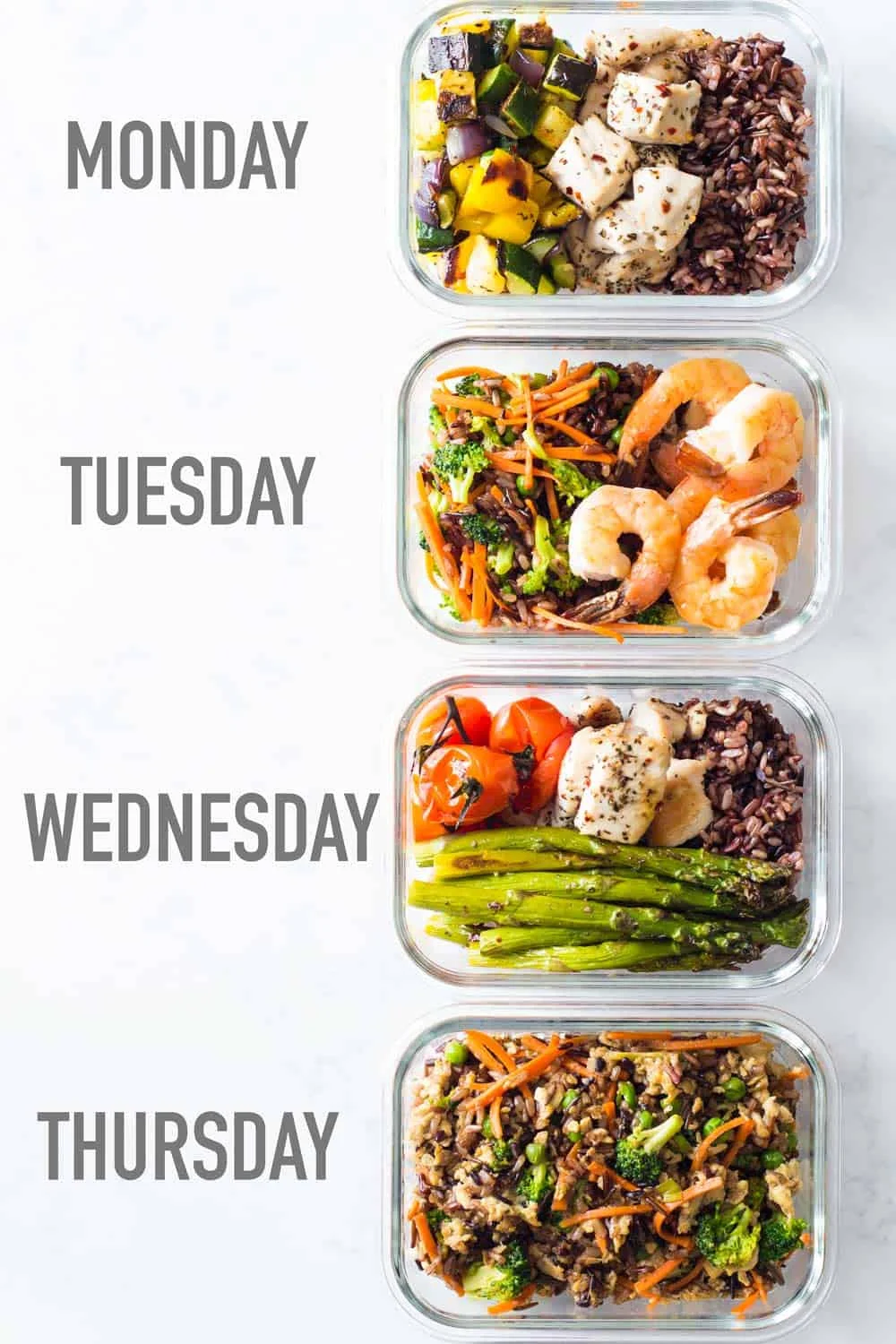
One significant barrier to meal prepping is the perceived time investment. Utilizing strategies such as buying pre-chopped vegetables, microwaveable grains, and preparing meals in batches saves considerable time. Starting with recipes that take 20 minutes or less to prepare eases the process and builds momentum.
Dedicating specific times for meal prep and making multiple servings at once ensures ready-to-eat options are available, reducing daily cooking stress and the temptation to choose unhealthy convenience foods.
How to Avoid Boredom: Variety on a Budget
Eating the same meals repeatedly can lead to dissatisfaction and abandonment of healthy habits. Introducing variety through different textures, flavors, and food combinations prevents boredom. Rotating fruits like blueberries and figs, nuts such as pecans and almonds, and vegetables including broccoli slaw or shredded Brussels sprouts keeps meals exciting.
Adjusting herbs and spices, swapping proteins, and exploring sweet and savory preparations allow a diverse menu while staying within budget. This mindful variation supports long-term adherence to a heart-healthy diet.
Conclusion: Sustaining Heart Health Through Smart Meal Prep Choices
Maintaining a heart-healthy diet on a budget is achievable by understanding common obstacles and implementing practical solutions. Planning meals in advance, choosing affordable yet nutritious ingredients, and preparing food efficiently help control costs and maximize nutritional benefits. Portion control and variety enhance the sustainability of these habits.
Ultimately, thoughtful meal prep not only supports cardiovascular health but also fosters a balanced lifestyle that can be adapted by individuals across varying income levels. Utilizing available resources, including supermarket options and support from community organizations, further empowers individuals to make smart, heart-conscious choices every day.


