
Understanding the Synergy Between Strength Training and Swimming
The Benefits of Combining Both Workouts
When Martin, a competitive swimmer, incorporated strength training into his routine, he noticed a marked improvement in his overall performance. Strength training not only enhanced his core stability and leg power but also helped him maintain better form during longer swim sessions. Swimming itself, being low-impact, aided in reducing his heart rate and accelerating muscle recovery after intense weight sessions. This combination improved Martin’s endurance and speed without overburdening his body, showing how these two disciplines complement each other perfectly in building physical fitness.
Common Challenges Faced by Swimmers
However, the path to balancing swimming with strength training is fraught with challenges. Julia, who trains for triathlons, struggled with fatigue due to poor session planning—she often trained hard in both swimming and weightlifting on the same day without enough rest. This mismatch caused persistent muscle soreness and slow recovery, threatening her progress. Additionally, many swimmers fall into the trap of focusing solely on swim volume while neglecting strength drills that target swimming-specific muscles. For athletes like Julia, limited time complicates their ability to balance workouts, sometimes leading to overload or injury.
Designing an Effective Weekly Routine
Optimal Frequency and Duration for Strength Sessions
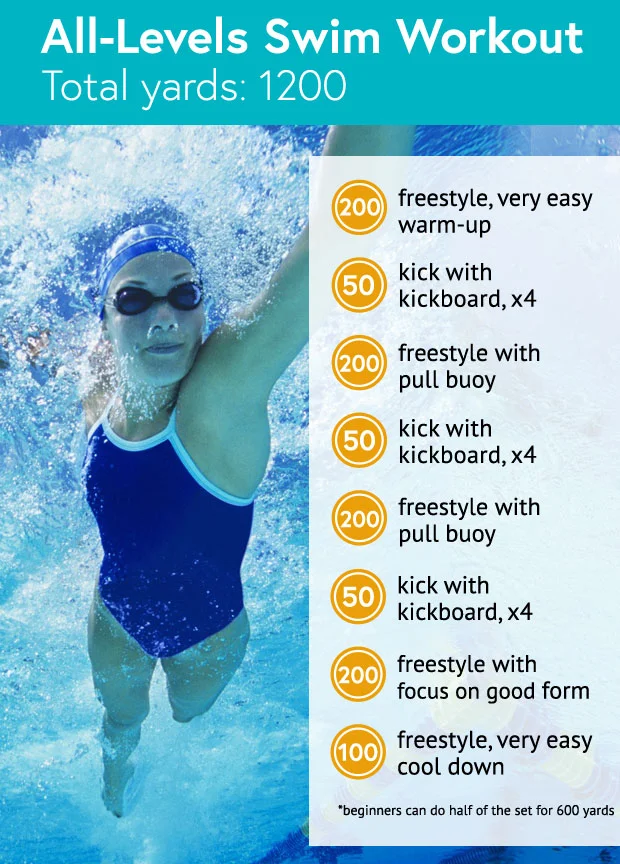
Creating a weekly schedule that accommodates both swimming and strength training requires thoughtful planning. For instance, an off-season swimmer might allocate 45 minutes to strength exercises focusing on shoulder and core stability, followed by 45 minutes of focused swim drills with paddles. This approach enables balanced development without overwhelming the body. Typically, two to three strength sessions per week suffice for maintaining and building necessary muscle groups, with duration adjusted based on overall training load and recovery capacity.
Integrating Swimming Workouts Without Overtraining
Emily, an amateur swimmer juggling a 9-to-5 job, found success by alternating between high-intensity strength training days and lower-intensity swim sessions. She also ensured that if both workouts occurred on the same day, she allowed at least a few hours of rest between activities. This spacing prevented excessive fatigue and reduced her risk of injury. When time was tight, Emily combined shorter swim intervals using a swim ergometer with circuit-style strength training, enabling her to maintain performance without burnout.
Targeted Strength Exercises for Swimmers
Muscle Groups Critical for Swimming Performance
Effective swimming demands strength in specific muscle groups. The shoulders and back power the stroke, while core muscles stabilize the body for efficient propulsion. Legs contribute to kicks that maintain speed and balance. Understanding this, Zach incorporated exercises that targeted these areas, improving his stroke force and swim starts. Strengthening his posterior chain and core helped him stay streamlined in the water, while stronger legs gave him a better push off the wall.
Sample Strength Training Moves to Enhance Propulsion
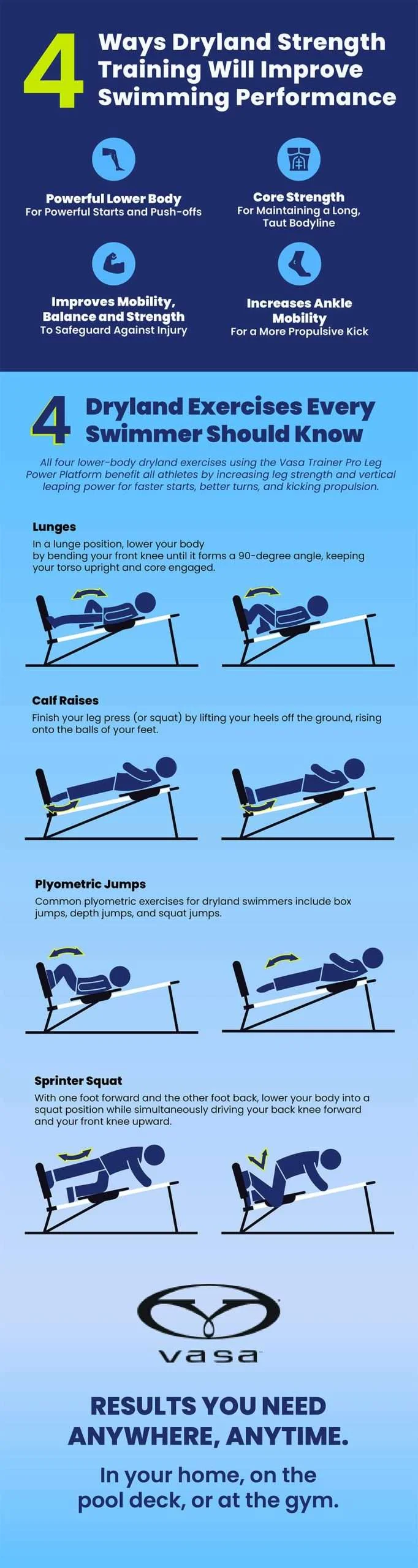
Key exercises such as plank variations, dead bugs, and Russian twists helped Zoe build core stability critical for maintaining form. Bench presses and pull-ups developed upper body push and pull strength, mimicking swimming motions. She paired these with squats, lunges, and calf raises to enhance lower body power. Additionally, integrating plyometric moves like jump squats improved her explosiveness off the blocks and wall. By focusing on these targeted exercises, Zoe noticed faster starts and a smoother stroke, translating gym gains directly into the pool.
Nutrition and Recovery Strategies
Fueling Your Body for Dual Workouts
Nutrition plays a pivotal role when balancing swimming and strength training. Experiences taught Alex that eating a balanced mix of carbohydrates, proteins, and fats before workouts provided sustained energy and aided muscle repair. During intense training days, he prioritized easily digestible meals pre-swim and consumed protein-rich snacks afterward to assist recovery. Hydration was another key factor, especially after swimming sessions where fluid loss can be underestimated due to water immersion. Proper fueling ensured his body could endure the combined physical demands without excessive fatigue.
Sleep and Rest Techniques to Avoid Fatigue
After a particularly draining week, Sarah realized that inconsistent sleep was hindering her recovery. She made a conscious effort to establish a regular sleep schedule, aiming for 7–9 hours per night. This improvement greatly enhanced her energy levels during morning swims and evening strength sessions. Rest days were equally important; on these days, Sarah incorporated light stretching and relaxation techniques to promote muscle regeneration. By respecting her body’s need for rest, she avoided overtraining and maintained steady progress over the season.
Monitoring Progress and Adjusting Workload
Tracking Strength Gains While Maintaining Swim Endurance
To balance gains in strength without sacrificing swim endurance, Michael kept detailed logs of both gym lifts and swim times. He noticed that when his strength routine included high-resistance, low-repetition sets targeting swim-specific muscles, his sprint times improved. Conversely, neglecting swim volume led to endurance losses. By quantifying his sessions, he could adjust training intensity based on weekly goals, ensuring neither strength nor swim performance lagged behind. This approach helped him remain focused on his seasonal objectives.
Signs You Need to Modify Your Training Plan
It’s crucial to recognize when the balance tips unfavorably. When Jessica began experiencing persistent shoulder pain and diminishing swim quality, it signaled overtraining. Additionally, unexplained fatigue and irritability suggested insufficient recovery. Rather than pushing harder, she reassessed her plan, incorporating longer rest periods and reducing high-intensity strength sessions temporarily. Listening to such signs preserved her long-term health and kept her progressing steadily. Athletes should remain vigilant and adapt their training to prevent injury and burnout.


