
Why Choose Eco-Friendly Pest Control for Indoor Plants?
Indoor plants often fall victim to pests, which can cause damage ranging from mild leaf discoloration to the death of the plant. The problem with conventional chemical pesticides is that they pose health risks to both humans and pets, including skin conditions and neurological issues. They also leave harmful residues on vegetables and herbs grown indoors, which can enter the food chain. Ineffective or careless use can disrupt the delicate balance of indoor ecosystems and lead to environmental contamination. Eco-friendly pest control methods offer safe, sustainable alternatives that protect plant health without compromising the safety of your household or the environment. By embracing natural solutions, gardeners support a healthier living space and reduce their ecological footprint.
Common Indoor Plant Pests and Their Impact
Many pests are attracted to indoor plants due to the favorable conditions created by home environments. Insects such as ants, slugs, snails, mosquitoes, flies, roaches, and spiders commonly infiltrate indoor gardens and houseplants. These pests find shelter and food sources, especially when plants are stressed—often due to low light, cool temperatures, and improper watering, particularly during winter months. Stressed plants develop weak structures and soft growth from over-fertilization, which pests find irresistible. Without natural predators indoors, pest populations can quickly multiply, leading to serious infestations. Moreover, wet potting mixes high in organic matter create breeding grounds for fungus gnat larvae, exacerbating pest problems. Understanding these factors is crucial for effective pest management.
Top Eco-Friendly Pest Control Solutions
Natural Predators: Beneficial Insects to Introduce
One effective eco-friendly approach is introducing biological controls such as natural predators. Beneficial insects like ladybeetles, predatory mites, and ladybugs help keep pest populations in check by preying on harmful bugs. Parasitoids such as aphelinid wasps and tachinid flies can also target specific pest species, limiting infestations without the use of chemicals. Pathogens including fungi, nematodes, and bacteria like Bacillus thuringiensis act as natural enemies to insect larvae and eggs. These biological agents work best in outdoor conditions but can sometimes be adapted for indoor use, providing a sustainable and self-regulating system to control pests.
Organic Sprays and Their Ingredients
Organic sprays made from natural repellents offer another solution for pest control without harsh chemicals. Essential oils—such as eucalyptus, citronella, and peppermint—are known for their insect-repelling properties. Mixed with water, these oils can be sprayed onto indoor plants to deter pests effectively. Using these sprays regularly helps maintain a pest-free environment by discouraging insects from settling on plants. Additionally, organic methods of pest control avoid the risks associated with synthetic pesticides, making them safe for indoor use around children and pets.
Homemade Remedies That Are Safe and Effective
Simple remedies found in the home also provide practical, eco-friendly ways to manage pests. For example, reusing coffee grounds—especially twice-used, dried grounds—around plants helps repel ants, slugs, and snails. Handpicking pests like mealybugs or dabbing them with rubbing alcohol can quickly reduce small infestations. Washing aphids off plants with water or gently wiping affected areas eliminates many pests without residue. Incorporating insect-repellant plants such as lavender, marigolds, and rosemary near indoor garden spaces can act as a natural barrier. These homemade solutions are accessible, cost-effective, and minimize ecological harm.
Preventative Strategies to Minimize Pest Infestation
Proper Watering and Humidity Control
Overwatering is a common problem that encourages fungus gnats and other pests by keeping the potting mix wet and rich in organic material. Allowing the potting soil to dry between watering reduces these pests’ breeding grounds significantly. Increasing indoor humidity can also protect plants from spider mites, which thrive in dry environments. Maintaining an appropriate balance of moisture and humidity is a vital step that can prevent many pest issues before they arise, ensuring plants remain healthy and resilient.
Sanitation and Regular Plant Inspection
Keeping the growing area clean is essential to prevent infestations. Removing dead leaves and debris from pots and nearby surfaces reduces hiding places for pests. Regular inspection allows early detection of pests such as scale insects, which often go unnoticed until damage is visible. Looking under leaves, shaking plants over white paper to identify spider mites, and checking cracks and crevices can reveal problems before they escalate. Timely intervention is key—manual removal or targeted treatment is far more effective and eco-friendly than dealing with large outbreaks.
Comparing Eco-Friendly Methods with Traditional Chemicals
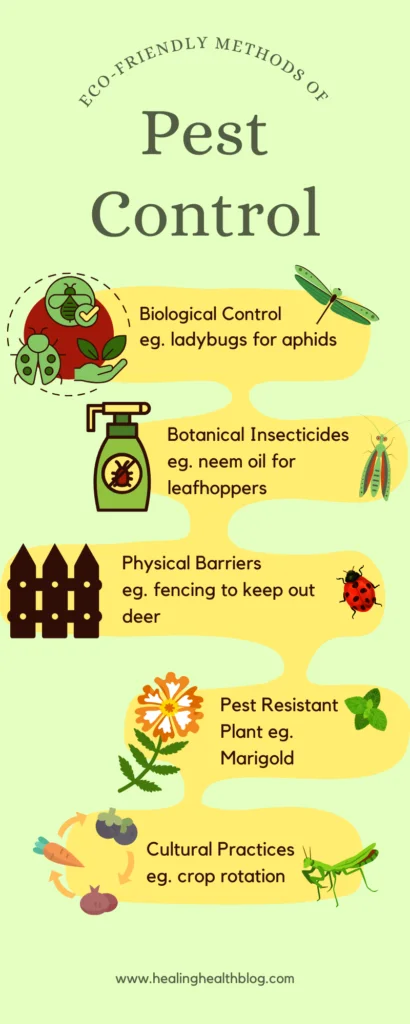
While chemical pesticides may provide quick results, their long-term consequences often outweigh their benefits. These chemicals can harm beneficial insects, contaminate indoor air, and accumulate in plant tissues, risking human health. On the other hand, eco-friendly methods focus on prevention, natural balance, and minimal chemical input, promoting sustainability. Although natural methods may require more patience and consistent care, they foster a healthier environment and reduce the likelihood of resistance developing in pest populations. By choosing green pest control, gardeners protect both their plants and their families while contributing to broader ecological well-being.
Case Studies: Real-Life Success Stories Using Green Pest Control
Many indoor gardeners have successfully transitioned to eco-friendly pest control methods with impressive results. For instance, a home gardener struggling with aphids turned to homemade peppermint oil sprays combined with ladybug introduction. Over the course of several weeks, the aphid population diminished without harmful chemicals. Another example includes the use of dried coffee grounds in a kitchen herb garden, which effectively repelled ants and small slugs, preserving the plants’ health through the winter months. A professional nursery increased humidity levels and practiced careful inspection routines, seeing a marked decrease in spider mite infestations. These stories demonstrate that with patience and proper techniques, natural pest control can yield practical and lasting benefits.


