
Introduction to Ceramic Tile Cracks
Ceramic tiles are a popular choice for kitchen backsplashes due to their durability and aesthetic appeal. However, over time, they can develop cracks that may detract from their appearance and function. Understanding how to repair these cracks yourself can save time and money, while preserving the look of your kitchen. This article will guide you through practical DIY solutions to fix cracked ceramic tiles on your kitchen backsplash, whether it involves repairing minor chips or replacing a fully damaged tile.
Identifying the Type and Cause of Cracks
Hairline Cracks vs. Deep Cracks
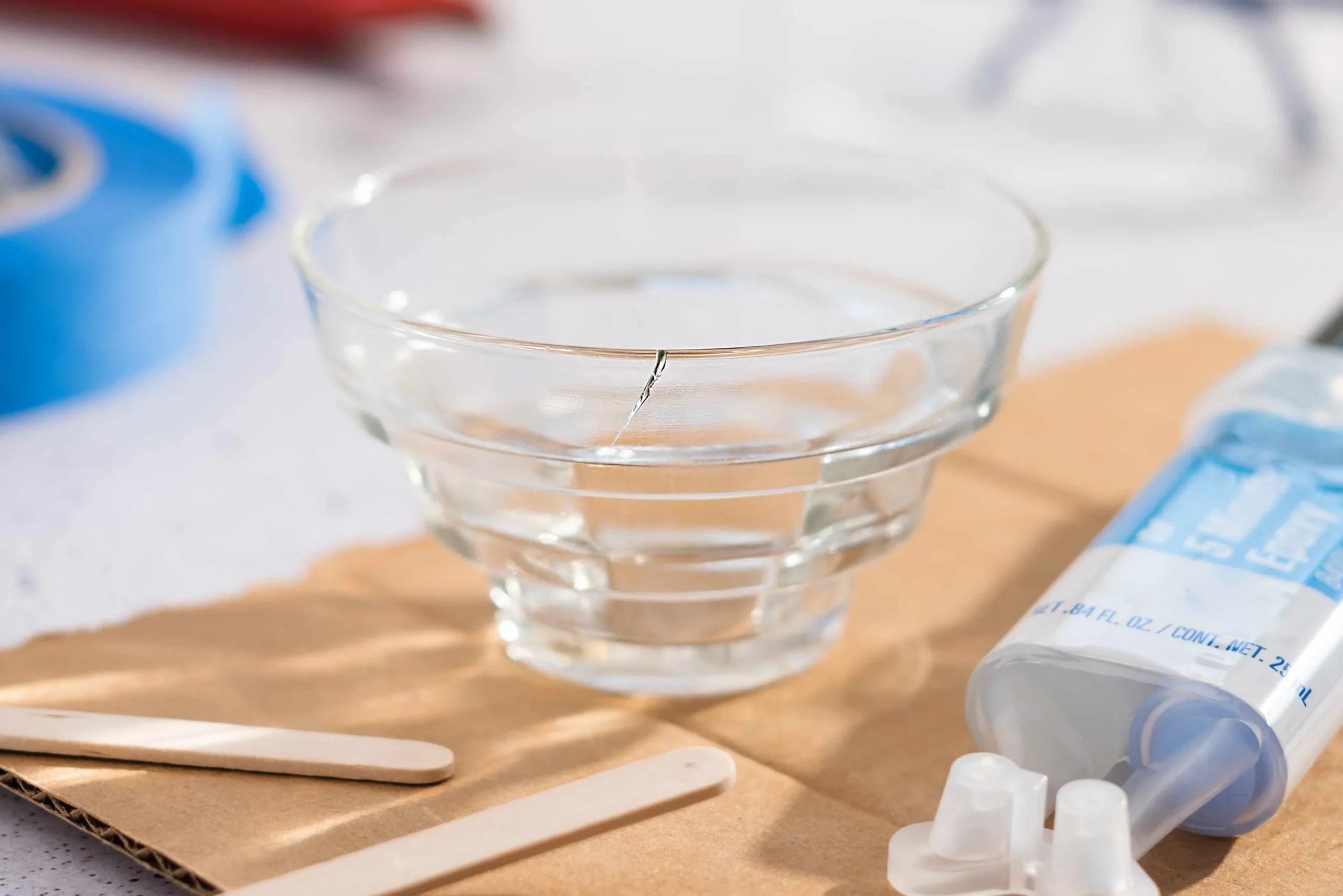
Not all cracks are the same. Hairline cracks are fine and often superficial, sometimes caused by minor stress or temperature changes. These cracks pose little structural risk but can be unsightly. Deep cracks, on the other hand, compromise the tile’s integrity and often require more extensive repair or replacement. Identifying the type of crack will help determine the best repair method. Hairline cracks might be treated with epoxy or specialized fillers, while deep cracks usually call for removal and replacing the tile.
Common Causes of Cracked Tiles in Backsplashes
Cracked tiles can stem from various causes. One common scenario is when a heavy item falls on the tile, causing an impact crack. Another frequent cause occurs during installation or maintenance, such as accidentally damaging the tile or the grout joint while cleaning or scraping out old grout. Recognizing these causes helps you take preventive measures going forward and handle repairs more effectively.
Materials and Tools Needed for DIY Tile Repair
Essential Tools
Before starting any tile repair project, ensure you have the right tools. A utility knife will be necessary for removing grout gently around the damaged tile. A hammer and chisel assist in lifting out broken tile pieces and thinset mortar. Painter’s tape protects surrounding tiles during repair, while a plastic applicator helps apply epoxy or repair paste smoothly. Sandpaper in fine grit, such as 220, is important for finishing the repair with a polished look. Having these tools on hand prepares you for a smooth and effective repair process.
Recommended Repair Kits and Sealants
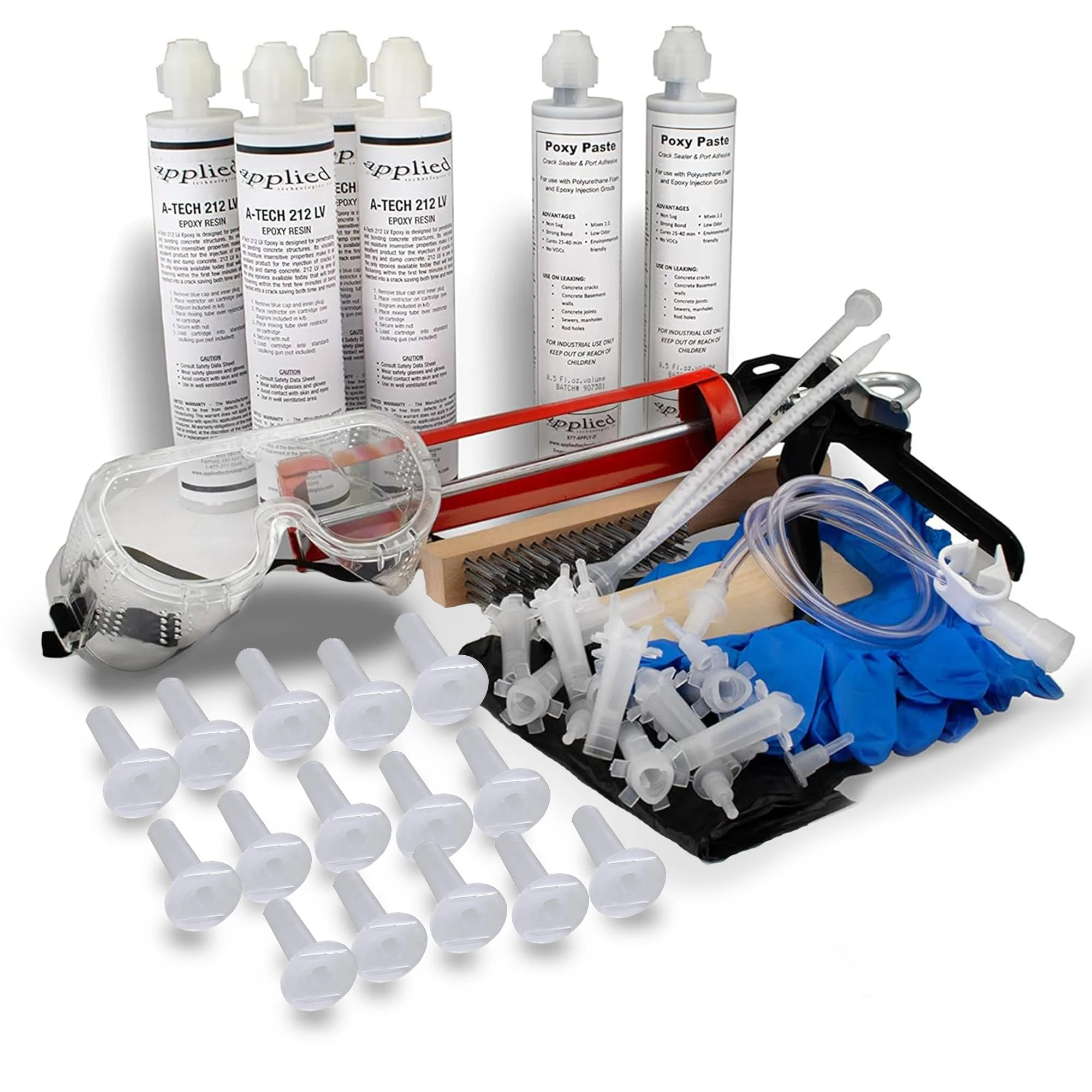
For repairing chipped or cracked tiles, two-part epoxy kits are highly recommended. These kits typically include colorants to help match the epoxy to your tile’s shade, allowing for an almost invisible repair. Some repair kits come with fillers or pastes specifically designed for ceramic surfaces. Choosing the right product that matches your tile’s texture and color will enhance the repair’s appearance and durability. Always follow the manufacturer’s instructions for mixing and curing times to achieve the best results.
Step-by-Step Guide to Repairing Cracked Tiles
Preparation and Cleaning
Begin repair by cleaning the damaged tile and grout area thoroughly, removing any dust or loose materials. Use painter’s tape to protect the surfaces of adjacent tiles, preventing accidental spills or scratches. When removing grout around a cracked tile, use a sharp utility knife carefully, avoiding twisting or excessive force to prevent chipping neighboring tiles. A slow and steady approach minimizes the risk of enlarging the damage.
Applying Epoxy or Tile Repair Paste
Next, if repairing a chip or hairline crack, mix the two-part epoxy according to package instructions. Divide the mixed epoxy and add the hardener to one portion, then blend thoroughly to activate the adhesive. Apply the epoxy carefully to fill the crack or chip using a plastic applicator, smoothing out excess material. For best results, remove tape immediately while the epoxy is still wet, preventing hardened edges. Allow the epoxy to cure fully as recommended, usually overnight.
Color Matching and Finishing Touches
Once the epoxy is dry, lightly sand the repaired area with 220-grit sandpaper. Use a gentle touch to blend the repair seamlessly with the tile surface. The goal is to make the filled chip or crack flush and smooth, matching the original tile texture and color as closely as possible. Finally, clean the area to remove any sanding dust and admire your nearly invisible repair.
Alternative Methods: Replacing Damaged Tiles
Removing Cracked Tiles Without Damage
If the crack is too severe for epoxy repair, replacing the entire tile is often the best option. Start by taping the edges of surrounding tiles with blue painter’s tape to protect them. Carefully remove grout around the damaged tile with a utility knife, taking care to avoid twisting motions. Using the pointed end of a hammer, tap the center of the cracked tile gently to break its bond with the thinset mortar. Once cracked, pry up the broken pieces from the center outward, preventing damage to neighboring tiles. Remove any leftover thinset by lightly tapping a chisel along the surface.
Installing Replacement Tiles
After clearing the old tile and smoothing the thinset area, dry-fit the new tile to ensure a flat surface. Then apply fresh thinset mortar evenly and press the new tile into place. Use spacers to maintain consistent grout lines and let the thinset dry overnight. Once dry, remove spacers and tape, clean the grout lines, and apply new grout to complete the installation. This careful approach ensures a secure, attractive replacement tile matching the rest of your backsplash.
Tips for Preventing Future Tile Cracks
Maintenance Practices
Preventing tile cracks starts with proper maintenance. Regularly inspect grout lines and repair any damage promptly to reduce tile movement. Avoid placing heavy objects near tiled backsplashes that might fall and cause impact damage. When working near tiles, such as during cleaning or kitchen renovations, use protective coverings and proceed with care to avoid accidental chipping or cracking.
Environmental Considerations
Ceramic tiles can be sensitive to environmental factors like temperature changes and humidity. Ensure your kitchen remains well-ventilated to avoid excess moisture that might affect tile adhesion. Using high-quality grout and sealants during installation or repairs also helps protect tiles from environmental stress. Finally, avoid exposing the backsplash to harsh chemicals that could weaken grout joints or tile surfaces over time.


