
Introduction to Gutter Maintenance and Its Importance
Understanding the Role of Gutters in Roof Protection
Gutters play a critical role in protecting your roof and home structure by directing rainwater away from the foundation and exterior walls. Without properly functioning gutters, water can accumulate on the roof or pool near the base of your home, causing significant damage over time. Well-maintained gutters prevent erosion, wood rot, and interior leaks, ensuring the longevity of your roofing system and structural integrity.
Common Causes of Roof Leaks Related to Gutters
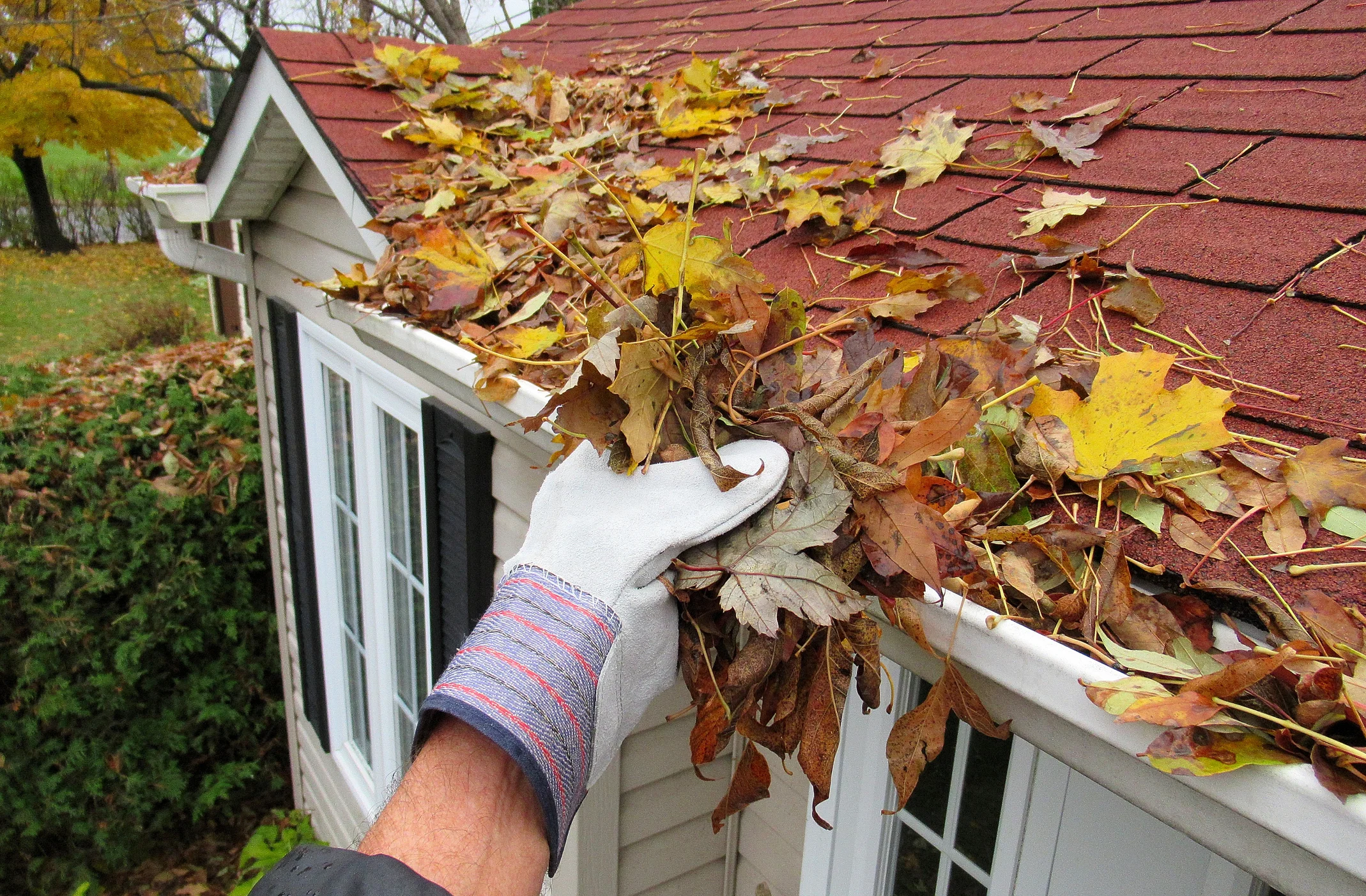
Roof leaks often stem from issues linked to clogged or damaged gutters. Heavy rain combined with falling leaves and humidity, especially common in The Triangle area, can quickly block gutters. This causes water to overflow, running against exterior walls or pooling near the foundation. Over time, this excess moisture fosters mold growth, wood decay, and ultimately, leaks inside the home. Additionally, sagging or rusted gutters and accumulated debris create perfect conditions for pests and ice dams, further exacerbating leak problems.
Essential Tools and Safety Equipment for Gutter Cleaning
Checklist: What You Need Before Starting
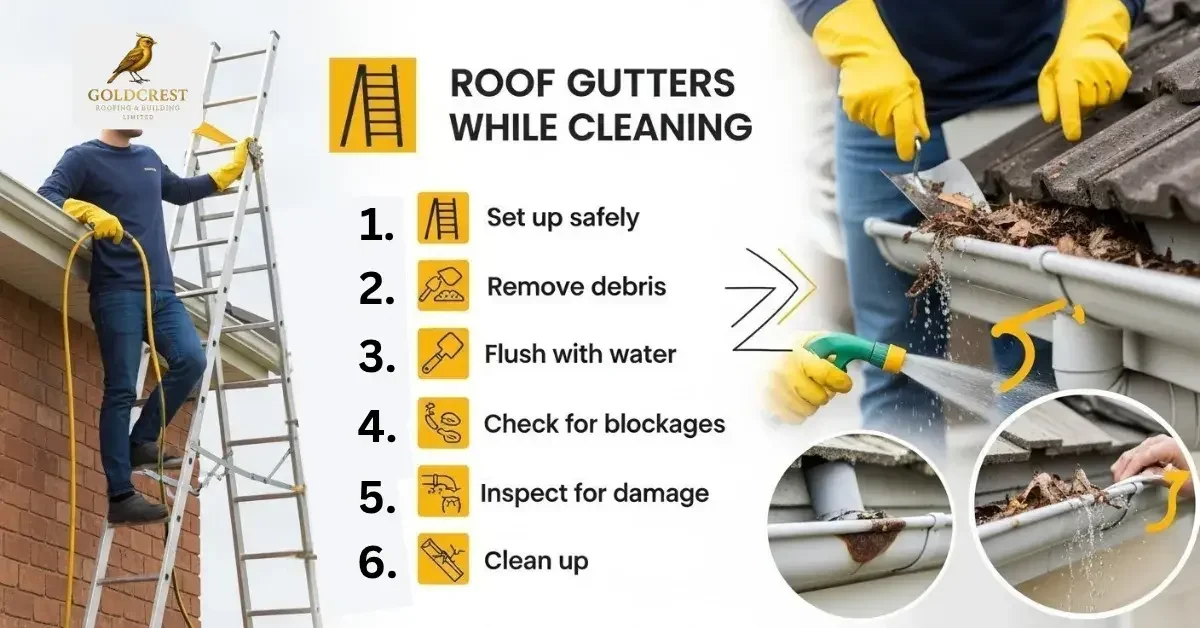
Before tackling gutter cleaning, gather essential tools such as a sturdy ladder, heavy-duty gloves, a scoop or trowel for removing debris, a bucket for disposal, a garden hose for flushing gutters, and a plumber’s snake to unclog downspouts. Additionally, having a flashlight helps inspect hard-to-see areas, and a stiff-bristled brush assists in cleaning stubborn dirt.
Safety Tips for Working at Heights
Maintaining safety is crucial when working on ladders. Always keep three points of contact—two feet and one hand—on the ladder for stability. Wear non-slip shoes and position the ladder on stable, level ground. Having a partner hold the ladder enhances security, and it’s wise to avoid cleaning during or immediately after rain when surfaces are slick. If heights cause discomfort, consider hiring professionals to handle the task safely.
Preparing for Gutter Cleaning: Inspection and Setup
How to Inspect Gutters for Damage and Blockages
Begin gutter maintenance by visually inspecting for sagging sections, rust, cracks, or loose brackets. Look for signs of clogging such as water dripping from gutters during dry weather or pools of water near your foundation. Clear away any large debris visible from the ground, and note areas where overhanging branches deposit leaves and twigs frequently.
Setting Up Ladders and Workspace Efficiently
Arrange your workspace to ensure easy access to all gutter sections. Place the ladder securely against the house at the correct angle and ensure its feet are on firm ground. Keep tools within reach using a belt or bucket attached to the ladder. Clearing the area beneath your work zone reduces the risk of tripping and helps gather debris efficiently.
Step-by-Step Gutter Cleaning Process
Removing Debris Safely and Effectively
Start by cleaning downspouts first; remove leaves and blockages with your hands or scoop, then flush with a hose to ensure flow. Next, remove larger debris from gutters using a scoop or trowel. Clearing out leaves, sticks, and silt is essential to prevent blockages. Dispose of waste safely away from your home to avoid attracting pests.
Flushing Gutters and Downspouts to Ensure Proper Flow
After removing visible debris, flush gutters with a garden hose starting from the farthest end and moving toward downspouts. This will flush out smaller particles and highlight any clogs or leaks. If water doesn’t flow freely through downspouts, use a plumber’s snake to clear stubborn blockages.
Checking for Signs of Damage and Wear
While cleaning, carefully examine gutters for rust spots, cracks, loose brackets, and other damage. Ensure gutters slope slightly downward toward downspouts for proper drainage. Repair or replace damaged sections promptly to avoid future leaks or structural issues.
Maintaining Gutters Year-Round
Seasonal Maintenance Tips to Prevent Clogs
Cleaning gutters twice yearly—typically in spring and fall—is recommended, with more frequent inspections if trees surround your home. Trim nearby branches to reduce debris buildup. Regularly brush off debris from gutter guards and flush out smaller particles. Keeping splash guards in place can prevent water from splashing onto your foundation during heavy rain.
When to Consider Professional Gutter Services
If gutter cleaning feels unsafe or if damage extends beyond minor repairs, hiring professionals is wise. Experts can provide specialized cleaning, repairs, and installation of low-maintenance gutter systems. They also offer thorough inspections that can catch potential problems early, saving you costly roof and foundation repairs down the line.
How Proper Gutter Care Prevents Roof Leaks
Linking Gutter Blockages to Common Roof Leak Issues
Blocked gutters cause water to overflow and accumulate on the roof edge, increasing the risk of leaks and water damage inside the house. Ice dams formed by frozen precipitation and melting snow block water flow, leading to seepage under shingles. Keeping gutters clean and functioning prevents these scenarios and protects roofing materials from premature deterioration.
Additional Roof Maintenance Tips for Leak Prevention
Besides gutter care, regularly inspect roofing materials for damaged or missing shingles, and check flashing around chimneys and vents. Ensure attic ventilation and insulation are adequate to avoid moisture buildup. Promptly addressing small roofing issues reduces the chances of leaks and costly repairs.
Bonus: Innovative Gutter Protection Solutions
Types of Gutter Guards and Their Benefits
Gutter guards come in mesh, screen, foam, and reverse curve varieties. These solutions minimize debris entry while allowing water to flow freely, significantly reducing cleaning frequency. Installing gutter splash guards and aprons further directs water into gutters and away from foundations, protecting your home from water damage.
DIY vs. Professional Installation of Gutter Covers
Many gutter guards are available as DIY kits that can be installed with basic tools, which saves cost but requires careful fitting. Professional installation ensures proper placement and secure attachment, often accompanied by warranties. Consider the complexity of your gutter system and your comfort level before deciding between DIY or expert services.


