
Understanding Household Waste: The First Step
Common Types of Waste Generated at Home
Households generate a variety of waste every day, often without even realizing the full extent of it. Typical rubbish includes plastic packaging, food scraps, textiles, paper, and single-use items like plastic bags and bottles. Beyond the obvious trash, there are also less visible culprits such as microfibers released from washing clothes and discarded electronics that contain harmful materials. Recognizing these different waste types is essential for taking meaningful steps to reduce their impact.
Why Reducing Waste Matters
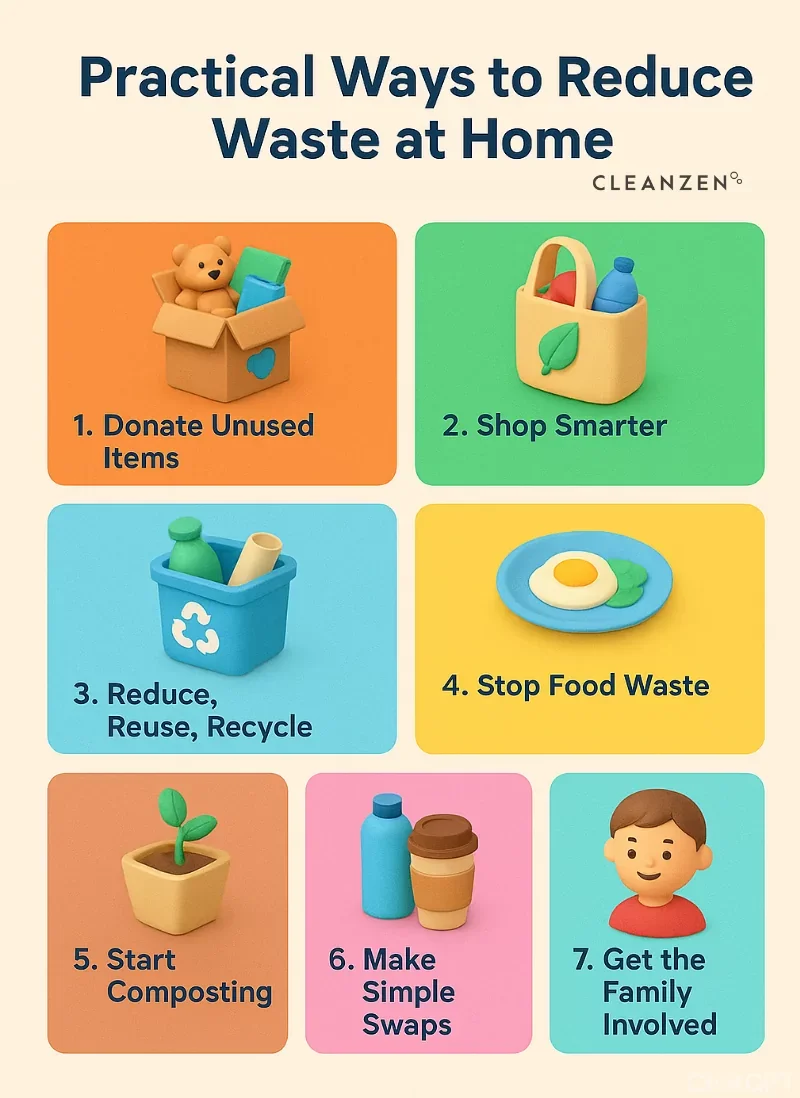
Reducing waste goes beyond just having a cleaner home. It significantly benefits the environment by lessening landfill overflow, lowering pollution, and helping reduce greenhouse gas emissions linked to plastic production and disposal. For instance, plastics that end up in landfills not only persist for centuries but also break down into microplastics, contaminating soil and water, which harms both nature and human health. Choosing to reduce waste is a powerful way to contribute to a healthier planet without drastic lifestyle changes.
Simple Adjustments to Minimize Waste
Smart Shopping Habits That Reduce Waste
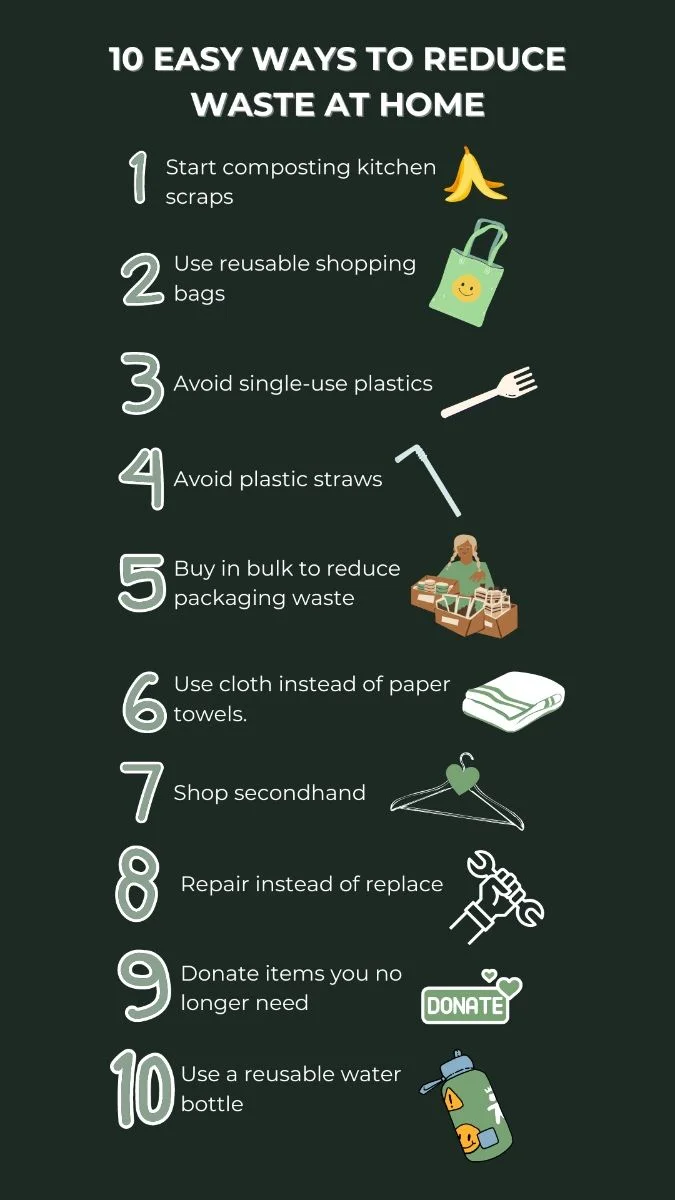
One of the easiest ways to cut down on household waste is by being intentional during shopping. This means buying only what is necessary and opting for products with minimal or recyclable packaging. Bringing reusable bags every time you shop keeps disposable plastic bags out of the waste stream. Whenever possible, supporting local artisans or thrift stores helps reduce demand for fast fashion and new product manufacturing, which often come with excessive waste. Small shifts like writing ‘KIT’—Keep It Together—on your shopping list can remind you to bring reusable containers, further cutting down on single-use items.
Using Leftovers Creatively
Throwing food away is a common but avoidable waste source. Instead of letting leftovers go bad, try incorporating them into new meals or saving scraps for homemade stocks and soups. Overripe fruits like bananas can be frozen and used for baking later. Even items that might seem like trash—such as orange peels—can be transformed into useful products like candles using just a bit of vegetable oil. Getting creative with leftovers not only saves money but also reduces food waste significantly.
Choosing Reusable Over Disposable Items
Transitioning to reusable products is a practical approach that doesn’t require a complete lifestyle overhaul. Simple swaps like using cloth napkins instead of paper towels, investing in reusable water bottles, and choosing durable containers for food storage can make a big difference. Additionally, rechargeable batteries reduce hazardous waste, especially when paired with devices like flashlights. Keeping reusable bags near your front door or car ensures they’re easy to grab on your way out, making waste reduction feel natural rather than a chore.
Easy Kitchen Tips for Waste Reduction
Meal Planning to Avoid Food Waste
Planning meals ahead of grocery shopping helps avoid buying excess food that might end up unused. By creating a weekly menu and shopping only for those items, you ensure foods are used before spoiling. Meal planning also helps with portion control, reducing the chance of throwing away uneaten food. Additionally, buying in bulk for frequently used ingredients minimizes packaging waste and can save money over time.
Proper Storage Techniques to Extend Food Life
How you store food plays a critical role in its longevity. Utilizing airtight containers, knowing which fruits and vegetables should be refrigerated or kept at room temperature, and using storage methods like freezing can keep food fresh longer. Saving containers such as old tins or jars for storage cuts down on the need to purchase new ones. Even humble techniques like raising the lawnmower cutting height to reduce watering can be applied in the garden to support waste reduction by producing homegrown ingredients efficiently.
Bathroom and Personal Care Waste Management
Eco-Friendly Alternatives for Everyday Products
Bathrooms tend to be a source of considerable waste due to packaged toiletries and single-use items. Switching to eco-friendly alternatives like bar soaps instead of bottled liquid soap, bamboo toothbrushes, and refillable containers can shrink this waste footprint. Many brands now offer products made with recycled materials, and choosing these options supports a circular economy. Additionally, focusing on products that last longer or serve multiple purposes reduces the amount discarded.
Reducing Packaging Waste in Personal Care Items
Packaging waste from personal care products is significant but manageable through a few simple habits. Buying items in bulk, choosing refill stations, or making your own products at home can reduce the influx of single-use plastics. Moreover, properly disposing of hazardous personal care waste ensures it doesn’t contaminate the environment. Keeping reusable cotton pads and switching to cloth wipes instead of disposable paper versions also make a visible impact without complicating your routine.
Waste Separation and Recycling without Hassle
Setting Up a Simple Home Sorting System
Organizing your waste into clear categories like recyclables, compost, and landfill trash makes disposal straightforward and less daunting. Using distinct bins in convenient areas encourages consistent sorting. This system helps avoid errors like wish-cycling—placing non-recyclable items in the recycling bin—which can contaminate loads and make recycling less effective. Starting with a trash audit room by room can reveal which bins are needed and where.
Local Recycling Options and Guidelines
Being aware of local recycling rules is crucial since not all plastics are recyclable everywhere. Checking with municipal guidelines before discarding helps prevent contamination and increases recycling success rates. Many communities also have programs for composting organic waste or safely disposing of hazardous household items. Tapping into these services can feel overwhelming at first, but simple steps like saving packaging for reuse or craft projects can get you started on the right foot.
The Role of Small Habits in Long-Term Waste Reduction
Incorporating Waste Reduction into Daily Routines
Small habits form the backbone of sustainable waste reduction. Turning off lights when not needed, unplugging appliances to save energy, and keeping tools and furniture in good condition to extend their lifespan may seem minor but add up over time. Practices like grasscycling—leaving lawn clippings on the grass—increase soil health without extra effort. These little changes make waste reduction achievable without feeling overwhelming.
Encouraging Family Participation Without Disruption
Getting everyone involved in waste reduction can be challenging but rewarding. Instead of imposing strict rules, introduce gradual changes like setting up recycling bins together or holding a family yard sale to pass on unwanted items. Making waste reduction a team effort fosters awareness and shared responsibility. Children can even help by creating reminders for composting or recycling, turning eco-friendly habits into family traditions that persist.
Conclusion: Achieving Impact Through Practical Choices
Reducing household waste doesn’t require major disruptions or expensive products. By understanding the types of waste we produce and implementing straightforward, practical tips, anyone can make meaningful changes. Simple actions like composting food scraps, choosing reusable products, planning meals, and properly sorting recyclables create ripples that benefit the planet and your home. Ultimately, sustainable waste reduction is about finding easy, manageable habits that fit your lifestyle and committing to them over time for lasting impact.


