
Why Meal Prepping Matters for Busy Lifestyles
The Impact of Healthy Eating on Productivity
Imagine Sarah, a busy marketing manager juggling early morning meetings and late client calls. She once relied on fast food to keep her going but soon noticed her energy waning mid-afternoon. When she started meal prepping, her energy levels stabilized, making her focused and productive throughout the day. Healthy eating provides the necessary fuel for the brain and body, especially when time is at a premium. Balanced meals offer sustained energy, reducing the risk of crashes that come from sugary snacks or hurried takeout. This shift allowed Sarah to thrive at work and feel more alert during her daughter’s evening activities.
How Meal Prepping Saves Time and Stress
John, a single dad with a demanding schedule, found that coming home to cook dinner after a full day of responsibilities was overwhelming. After adopting meal prepping, he set aside a couple of hours on Sunday to prepare meals for the week. This simple change drastically reduced daily decision fatigue and mealtime stress. When dinner time arrived, he only had to reheat portions or assemble simple salads, freeing up time to connect with his kids or unwind. Meal prep minimizes last-minute grocery runs and the chaos of figuring out what to eat, making busy evenings more manageable.
Essential Tools and Ingredients for Efficient Meal Prep
Must-Have Kitchen Gadgets
When Priya started meal prepping, investing in a few kitchen tools transformed her experience. A reliable set of meal prep containers helped her organize portions and keep the fridge tidy. Her pressure cooker cut cooking times dramatically, allowing her to batch cook staples like quinoa and beans in under 30 minutes. She also found that a good set of knives made chopping vegetables much quicker, saving precious time. These gadgets aren’t just conveniences; they turn meal prepping from a daunting task into a doable routine.
Shopping List: Staples for Balanced Meals
Stocking the pantry and fridge with essentials forms the backbone of successful meal prep. Among the staples are frozen vegetables, which freeze quickly after harvest and hold nutrients well, acting as a dependable backup when fresh produce isn’t available. Whole grains like brown rice or quinoa provide a hearty base, while versatile proteins such as chicken breasts or canned beans can be cooked in bulk. Having a variety of herbs, spices, and condiments on hand lets you easily change the flavor profile of meals, keeping things interesting without extra effort. For those hectic mornings, having a few staple breakfast items ready, like oats or yogurt, can make a significant difference.
Planning Your Weekly Meals on a Tight Schedule
Choosing Meals That Are Quick to Prepare
Lisa, a nurse working long shifts, realized that her meal prep needed to fit her hectic life realistically. She focused on choosing meals that took 15 to 30 minutes to prepare. Simple sheet pan dinners, where she could roast chicken and vegetables together, became her go-to. She also included no-cook options like tuna salads and yogurt parfaits for days when even reheating felt too much. By narrowing her meal choices to quick, nutritious dishes, Lisa avoided the overwhelm often associated with meal planning.
Batch Cooking vs. Single-Serving Prep
Mark struggled with meal prep early on because he tried to cook individual portions for every meal. Over time, he switched to batch cooking, preparing larger quantities of a few components like proteins and starches. For instance, he roasted a whole chicken and cooked a big pot of brown rice to last several meals. This approach reduced cooking time during the week and gave him flexibility to mix and match meals. However, when he needed convenience, he also prepared a few single-serving snacks like egg muffins to grab and go. Both strategies have their place; combining batch cooking with some individually prepared items can ease the burden of weekday meals.
Step-by-Step Meal Prep Workflow
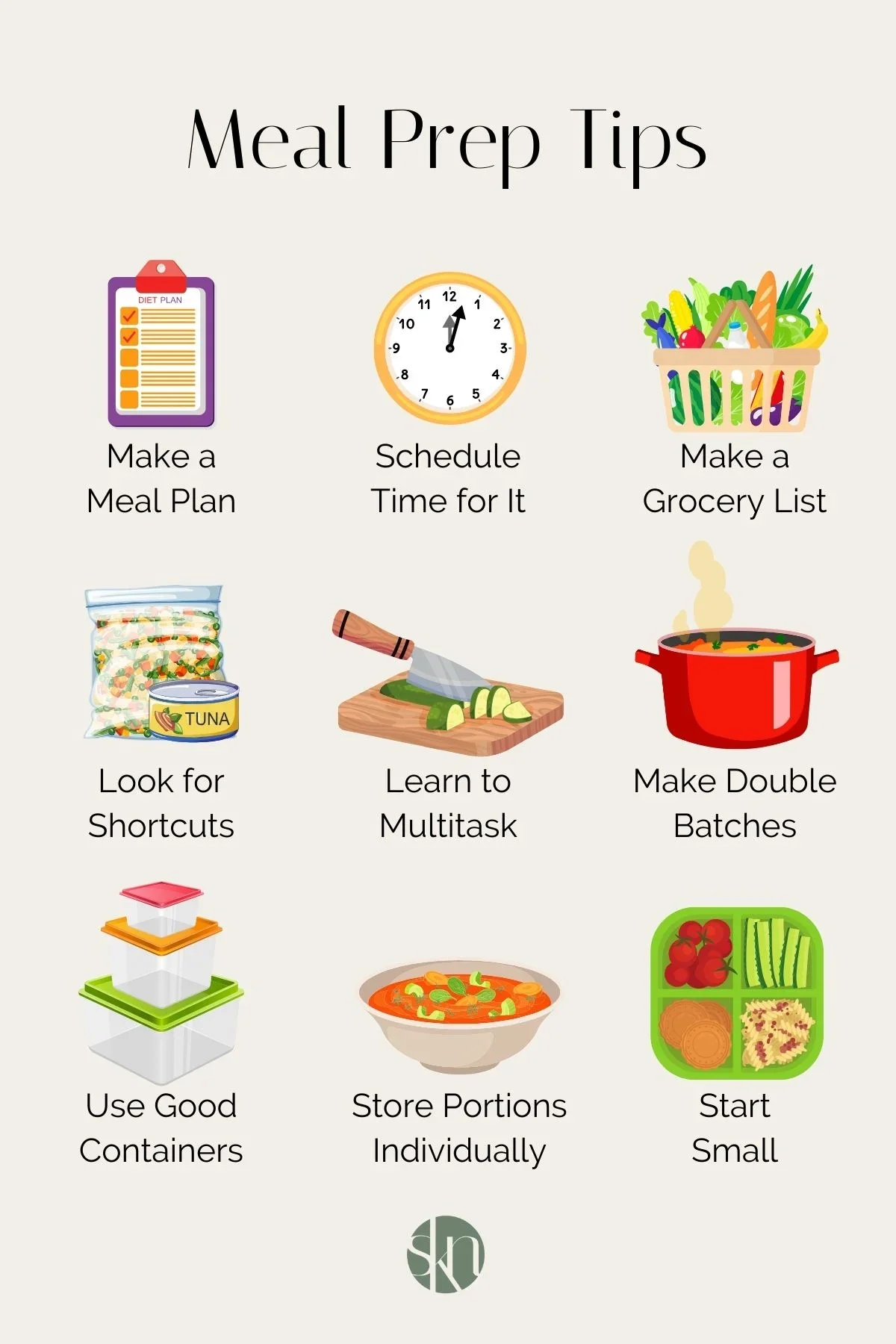
Step 1: Setting Aside Prep Time
Rachel blocked off Sunday afternoon for meal preparation—treating it almost like a weekly appointment with herself. She found that dedicating 15 to 30 minutes at a time, sometimes split over a couple of sessions, kept her from feeling burnt out. This realistic approach made it easier to maintain consistency without sacrificing other weekend plans. Scheduling the prep time into her calendar helped her stick with it, avoiding the trap of postponing meal prep altogether.
Step 2: Washing and Chopping Ingredients
Instead of waiting until the entire week’s meals were assembled, Rachel began washing fruits and vegetables immediately after grocery shopping. This small step saved minutes when assembling meals later. She also chopped vegetables while cooking dinner the night before, making use of small pockets of time. This habit slowly grew into a routine, turning preparation into something manageable rather than overwhelming. Quick access to prepped ingredients made throwing meals together during busy weekdays feel effortless.
Step 3: Cooking Multiple Dishes Simultaneously
During meal prep, Rachel maximized efficiency by cooking different components at once. Using the oven, she roasted chicken alongside various vegetables, seasoning each part with different spices separated by aluminum foil. On the stove, she boiled grains and prepped sauces while monitoring the roasting tray. This multitasking allowed her to have multiple meal bases ready in under an hour. Simple adjustments like roasting different foods on the same tray sped up cooking and made cleanup easier.
Step 4: Portioning and Storing Meals
Once cooked, Rachel portioned meals into stackable containers, organizing them by day and meal type. This system made it quick to grab ready-to-eat lunches for work or heat up dinners without decision fatigue. She also froze some portions to extend shelf life beyond a few days, freeing up space for fresh items. The act of dividing meals helped her control portions and avoid impulsive snacking. By labeling containers with dates and contents, she maintained fridge order and cut down food waste.
Healthy Meal Prep Ideas for Every Meal
Breakfast: Fast and Nutritious Options
Emma, a teacher with early mornings, relied on overnight oats and egg muffins to start her day right without rushing. Preparing overnight oats the night before gave her a creamy, nutrient-packed breakfast waiting in the fridge, perfect for busy school days. Egg muffins baked over the weekend doubled as snacks or quick breakfasts. Keeping 3-4 staple options that are simple and nutrient-dense helped Emma maintain a balanced diet even on the go.
Lunch: Meals That Travel Well
For her work lunches, Jenny created mason jar salads layered with protein, greens, and dressing at the bottom to keep ingredients fresh until lunchtime. She also prepared tuna salad and quinoa bowls, which travelled well without losing texture or flavor. Packing balanced lunches ahead prevented her from choosing less healthy convenience foods and saved money. The key was focusing on meals she could assemble quickly and safely transport, making lunchtime stress-free.
Dinner: Balanced Plates Ready to Reheat
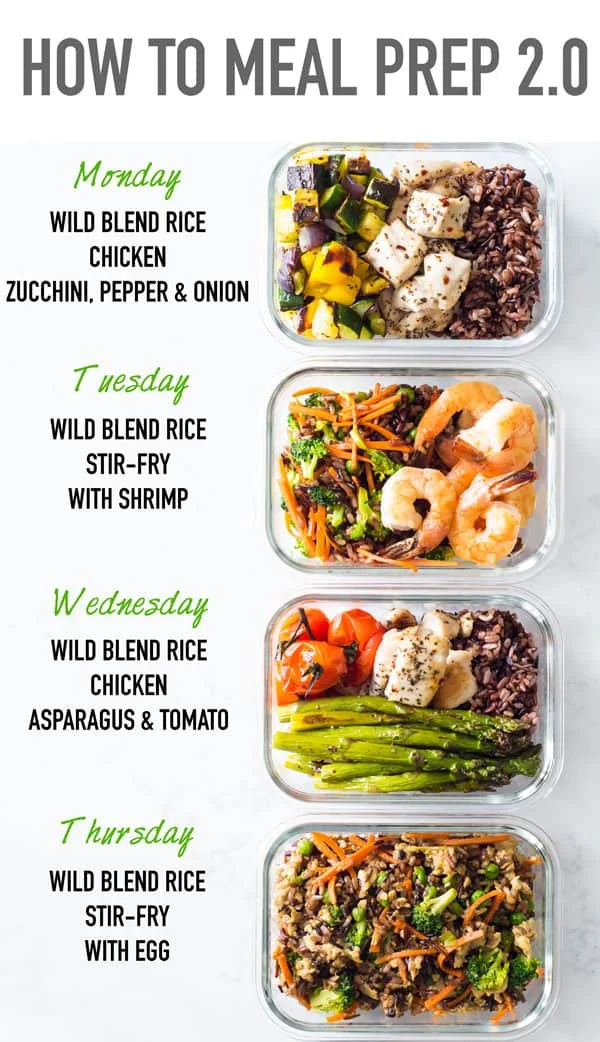
After long days, Tom appreciated having dinners prepped and portioned. Roasted chicken paired with steamed frozen vegetables and brown rice became staples. To keep meals exciting, he used different spice blends and sauces to vary flavors. Slightly undercooking vegetables preserved their texture when reheated. This strategy allowed Tom to enjoy balanced meals with minimal cooking in the evening, making his transition from work to home more relaxing.
Tips to Stay Motivated and Consistent with Meal Prepping
Setting Realistic Goals
When Lisa first began meal prepping, she aimed to prepare all meals for an entire week at once, which led to exhaustion and discouragement. She adjusted by setting smaller, achievable goals like prepping breakfasts and lunches for three days. This gradual approach built confidence and created sustainable habits. Recognizing that perfection isn’t required helped her stay on track, especially when unpredictable days disrupted plans.
Incorporating Variety to Avoid Meal Fatigue
Mark found that eating the same meals repeatedly dampened his enthusiasm for meal prepping. To combat this, he rotated different spices, marinades, and sauces each week. Sometimes, he swapped the starch base from rice to quinoa or changed vegetables according to what was in season. This simple practice kept meals exciting and prevented boredom from creeping in. Embracing flexibility allowed Mark to adapt meals to what he enjoyed most, increasing his motivation to continue prepping.


