
Understanding Window Drafts and Their Impact on Heating Costs
What Causes Window Drafts?
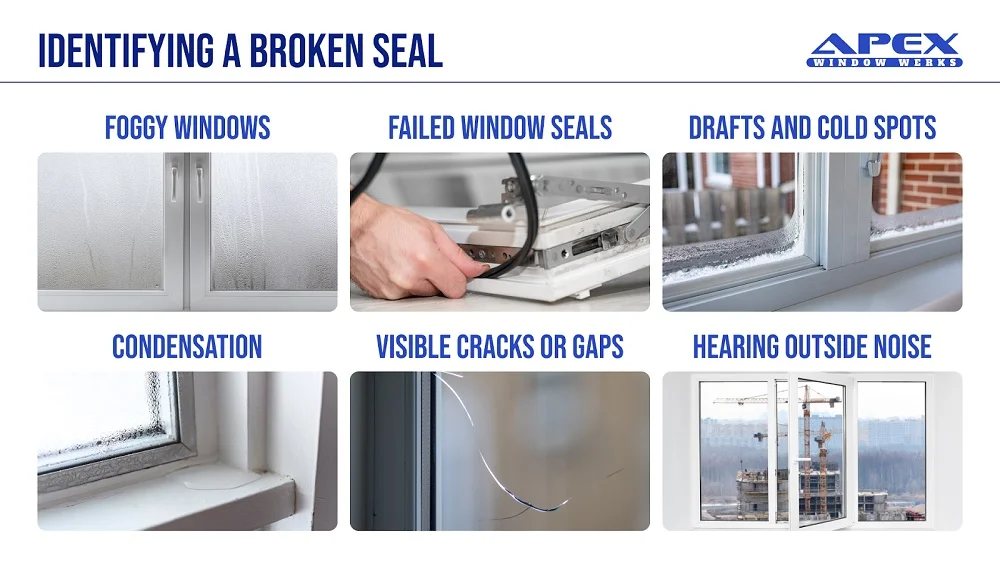
Window drafts are primarily caused by air leaks and gaps around window components. Common causes include air gaps around window frames and exterior doors, cracks in the building’s framing, and dried out or cracked sealant around window edges. Additionally, gaps between the window jamb and casing, as well as between the casing and wall, contribute to drafts. Other sources include aged weatherstripping that becomes brittle, degraded caulk around the frame, and gaps where the window frame meets the wall. Older windows over 20 years often lose efficiency due to material degradation such as warping, rotting frames, fogging, or difficulty in operation. Single-pane windows without storm windows or broken glass panes also allow cold air infiltration.
How Drafts Increase Heating Bills
Drafts allow cold air to enter your home during winter and warm air to escape, forcing your heating system to work harder to maintain a comfortable temperature. This increased demand results in higher energy consumption and elevated heating bills. Leaks in the attic and foundation, as well as around doors and windows, amplify these losses. Without proper sealing and insulation, heat loss through windows can significantly account for overall energy inefficiency, making it essential to identify and address drafts promptly to reduce heating costs.
Identifying Drafty Windows in Your Home
Simple Tests to Detect Air Leaks
Detecting drafts early can help you take timely action. Here are simple ways to find air leaks around windows:
- On a cold day, lick your finger and hold it near suspected gaps; a cool sensation indicates air movement.
- Use a lit candle or incense stick to observe if the flame or smoke flickers near window edges or cracks.
- Inspect for visible signs of cracked or missing weatherstripping, deteriorating caulk, or warped window frames.
- Feel for cold air while running your hand along the window perimeter inside your home.
Tools and Materials Needed for Inspection
Before starting inspection, gather these useful tools and materials:
- Flashlight for inspecting tight corners and frames
- Magnifying glass to spot small cracks or deterioration
- Caulking gun with padded handle and dripless trigger
- Silicone scraper or corner-shaped spreader for removing old caulk
- Adhesive remover to clean surfaces before applying new weatherstripping
- Measuring tape for accurate weatherstripping sizing
- Hair dryer for shrink-wrapping window insulation film
Step-by-Step Guide to Repairing Drafty Windows
Cleaning and Preparing the Window Frame
Proper preparation is key to effective sealing. Follow these steps:
- Open the window fully to access all edges.
- Remove old weatherstripping carefully, using an adhesive remover to eliminate sticky residue.
- Use a silicone scraper or putty knife to remove old, cracked, or peeling caulk.
- Clean the window frame thoroughly, removing dirt, dust, and debris to ensure good adhesion for new materials.
- Inspect the frame for damage such as cracks or rotting. Address repairs as needed before sealing.
Replacing Damaged Weatherstripping
Weatherstripping is vital for sealing movable window parts and preventing drafts:
- Measure the length of the window sash accurately to cut weatherstripping correctly.
- Select high-quality adhesive-backed foam tape weatherstripping with a hollow teardrop profile for optimal compression and expansion.
- Apply the new weatherstripping firmly along the window jamb or sash where gaps exist.
- Close and lock the window to compress the weatherstripping, ensuring a tight seal.
- Reusable rope caulk can be applied to movable sections for additional draft protection.
Applying Caulk to Seal Cracks and Gaps
Caulking seals small cracks and gaps permanently. Here’s how to apply caulk correctly:
- Cut the caulk tube’s tip at an angle and start with a small bead for clean, precise application.
- Apply caulk to seams where the window jamb meets the casing and where the casing meets the wall.
- For gaps larger than ¼ inch, use low-expansion foam instead of caulk to avoid ineffective sealing.
- Smooth caulk with a wet finger or silicone spreader for neat finishes.
- Allow caulk to cure fully as per manufacturer instructions before painting or exposure to weather.
Advanced Sealing Techniques for Maximum Energy Efficiency
Installing Window Insulation Film
Window insulation film creates an extra barrier against drafts and heat loss. Installation tips include:
- Clean window surfaces thoroughly before application for better adhesion.
- Apply the film using tape around the edges, keeping it flat and steady.
- Use a hair dryer to shrink the film slowly, avoiding wrinkles by maintaining a steady hand.
- Consult the specific manufacturer’s instructions to ensure proper installation.
- Remember this is a temporary solution requiring seasonal removal and reapplication.
Using Draft Stoppers and Window Inserts
Additional measures to block drafts include:
- Place weighted fabric draft stoppers against the bottom of the window sash to block airflow.
- Install temporary acrylic or polycarbonate window inserts inside the window frame for improved insulation.
- Use heavy insulated drapes or curtains to add another layer of protection against heat loss.
- Consider storm windows on the interior or exterior to create a double-pane effect, especially for single-pane windows.
When to Consider Window Replacement

While repairing windows is often cost-effective, some situations warrant replacement:
- Windows older than 20 years showing signs of significant material degradation like warping, rotting, or persistent fogging.
- Broken or missing glass panes that cannot be easily replaced.
- Frames damaged beyond repair or windows that are difficult to operate.
- When energy efficiency standards need upgrading, opting for Energy Star-certified triple-pane windows significantly reduces heat loss.
- Replacing windows can offer long-term savings despite higher upfront costs.
Maintenance Tips to Keep Windows Draft-Free Year-Round
Regular Inspection Schedule
Maintaining window efficiency requires routine checks to catch problems early:
- Inspect windows at least twice annually, ideally before heating and cooling seasons.
- Look for signs of cracked caulk, damaged weatherstripping, or new gaps between window components.
- Monitor for moisture buildup or condensation, which can indicate seal failure.
- Check attic, foundation, and door seals as they contribute to overall draft control.
Seasonal Cleaning and Sealing Checklist
Follow this checklist each season to keep your windows airtight:
- Remove dust and debris from window tracks and frames.
- Reapply caulk or use low-expansion foam on any new or enlarged gaps.
- Replace worn or brittle weatherstripping as needed.
- Reinstall or replace window insulation film in colder months.
- Clean and inspect storm windows and window inserts for damage.
- Ensure windows close firmly and locks function properly to maintain the seal.
- Use insulated curtains or drapes to enhance warmth during cold periods.


