
Introduction to Urban Composting
The Importance of Composting in City Living
Composting might seem like a backyard luxury, something only people with sprawling gardens can enjoy. Yet, in urban settings, it’s becoming an essential practice for sustainable living and reducing waste. City dwellers generate a surprising amount of organic waste daily, from fruit peels to coffee grounds. Instead of sending these materials to landfills, composting transforms them into rich, valuable soil amendments. This not only supports urban gardening but also reduces methane emissions from organic matter decomposing in landfills, making it a small but powerful environmental act that anyone can participate in.
Challenges Faced by Urban Gardeners
Space is the number one hurdle for city gardeners wanting to compost. Traditional compost piles and bins require significant room and may create odors or unwanted pests if not managed carefully—both sensitive issues in densely packed neighborhoods. Additionally, many urban areas have restrictions or concerns about smells and vermin, discouraging composting efforts. Heating and aerating compost piles efficiently, essential for good decomposition, can also be tricky in small or indoor settings. Overcoming these challenges requires creativity and the right techniques tailored for tight spaces.
Choosing the Right Composting Method for Small Spaces
Vermicomposting: Using Worms Effectively
One of the most effective options for urban composting is vermicomposting. This method employs red wiggler worms to break down kitchen scraps indoors, often in compact bins that fit under sinks or in closets. Vermicomposting produces nutrient-dense worm castings, great for container plants. Maintaining the right environment is key—worms thrive in a moist, oxygen-rich habitat free from meat or oily scraps. For urban gardeners with limited outdoor space, worm bins offer a clean, odor-free, and surprisingly productive solution.
Compost Tumblers vs. Traditional Bins
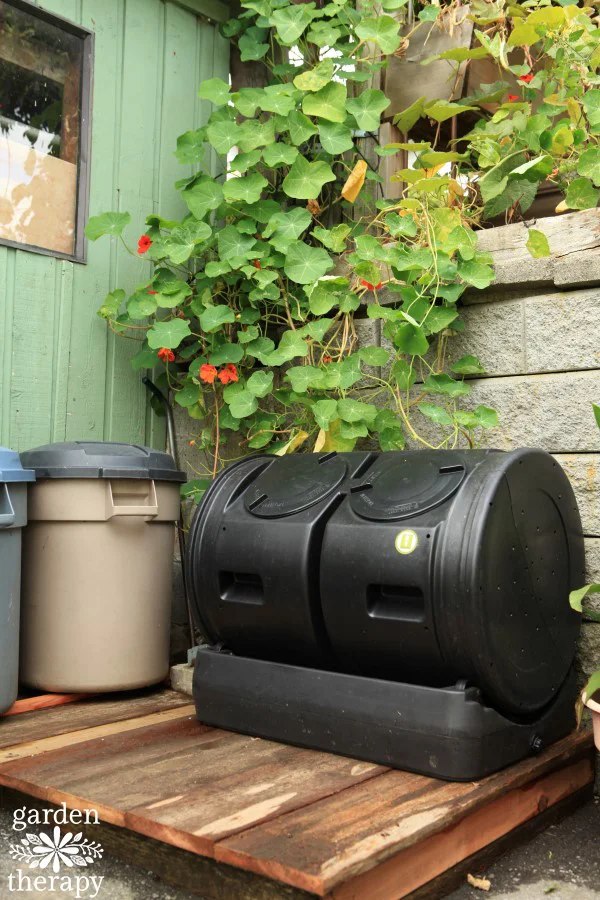
Compost tumblers are an intriguing alternative to the classic stationary bin. These enclosed containers rotate, making it easier to mix the compost and aerate the materials, which speeds up decomposition and helps prevent odors. While still requiring some space, tumblers tend to look tidier and are often smaller than traditional bins, fitting better into balconies or small gardens. However, they still need regular attention to maintain moisture balance and turning, especially in warm weather when smells can escalate quickly.
Indoor Composting Options: Bokashi and Beyond
Indoor composting techniques like Bokashi offer an innovative way to handle kitchen waste, including scraps that normally disturb standard compost systems—meat, dairy, and oily foods. Bokashi uses anaerobic fermentation inside a sealed bucket, which ferments scraps over a couple of weeks and produces very little smell. After the fermentation period, the contents can be buried in soil or a traditional compost pile to finish breaking down. This option is perfect for apartment dwellers wanting to compost responsibly without discomfort or pest issues.
Setting Up Your DIY Urban Compost System
Selecting Materials and Containers
Starting your compost system means choosing the right materials and containers. Browns — like dry leaves, straw, or shredded paper — provide carbon, while greens — such as vegetable scraps, coffee grounds, or fresh grass clippings — supply nitrogen. A container should keep pests out and allow airflow, but also fit your space. Options range from sealed compost tumblers and worm bins to buried metal trash cans with aeration holes. Another clever choice is the composting cannon, a small buried cylinder system that fits into tiny gardens or planter boxes, making composting easy and discreet.
Best Locations in Limited Spaces
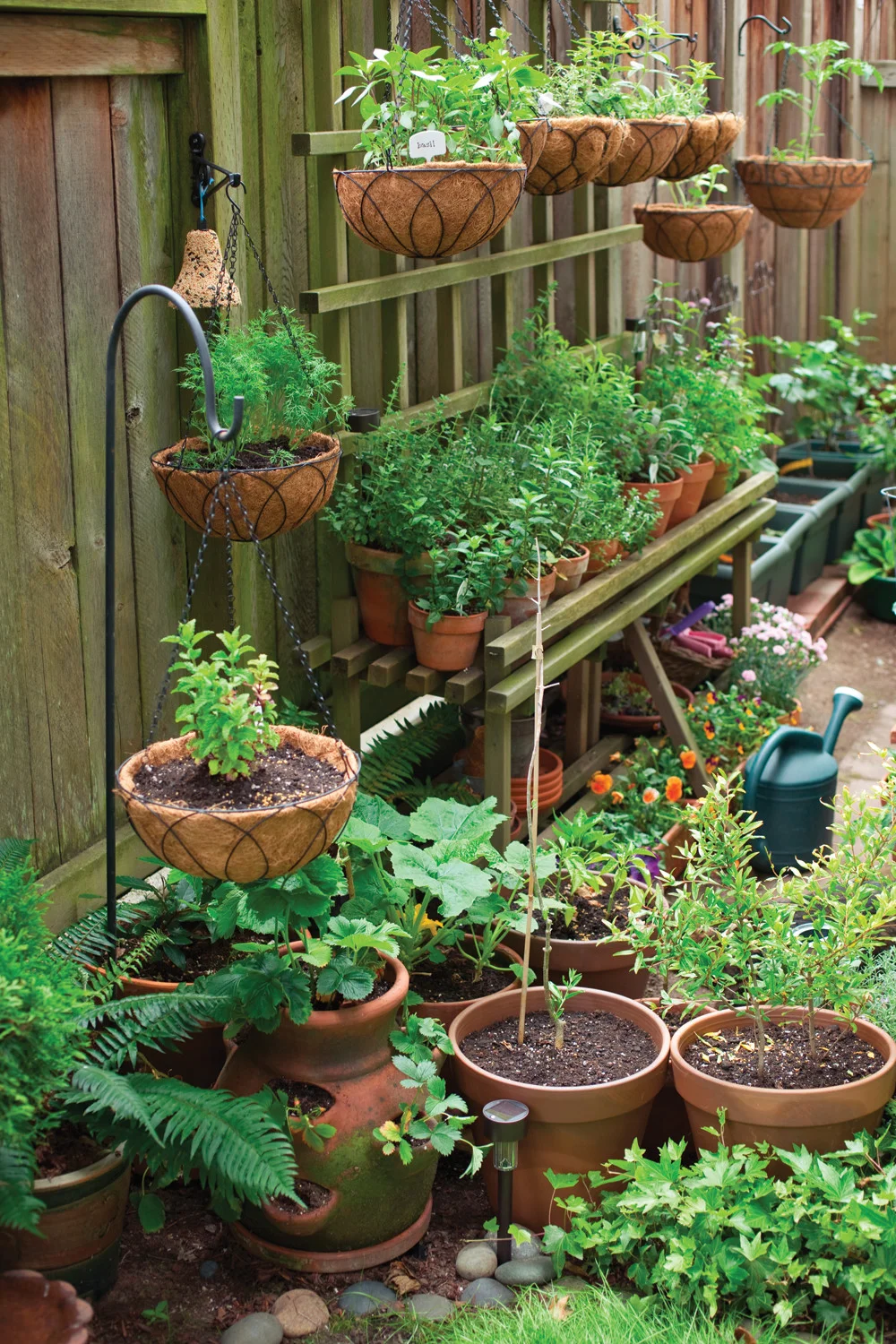
Urban gardeners often struggle to find the perfect spot for compost setups. Even modest balconies or small patios can accommodate a vermicomposting bin or a bokashi bucket with relative ease. For outdoor options, locating your compost container in a shaded corner helps regulate temperature and moisture, preventing odors. If planting boxes or pots are used, burying a composting cannon inside can recycle food scraps right where your plants grow, saving space and adding nutrients directly to their roots.
Essential Tools and Supplies
You don’t need many fancy tools to compost effectively in the city. A sturdy bin or container, a small shovel or trowel for turning, and tools for chopping scraps into smaller pieces are enough to start. Moisture meters and thermometers can help keep conditions optimal but aren’t essential. For vermicomposting, bedding material like shredded paper and worm food waste are needed, and a kitchen-friendly bokashi bucket usually comes with a plunger to press down scraps. Simple, accessible tools go a long way toward successful urban composting.
Step-by-Step Composting Process
Balancing Greens and Browns in Small Quantities
One of the secrets to fast and odor-free composting is maintaining a healthy balance between greens and browns. In small urban batches, aim for a roughly equal volume of carbon-rich browns and nitrogen-rich greens. Too many greens—kitchen scraps and fresh grass—without enough dry leaves or shredded paper can make compost soggy and smelly. Carefully chopping materials increases surface area and speeds the microbial breakdown, keeping your batch active and inviting.
Maintaining Moisture and Aeration
Your compost pile should be about as moist as a wrung-out sponge—not too dry or dripping wet. Dry compost breaks down slowly, while too much moisture encourages anaerobic conditions, which cause foul odors and methane production. In small systems, turning or aerating weekly with a garden fork or by rotating the tumbler is critical to keep oxygen flowing. If the compost seems overly wet, adding more dry materials can absorb excess moisture, while a light watering helps if it’s dry.
How to Handle Common Odors and Pests
Urban composting comes with a risk of odors and unwanted visitors if not managed carefully. Avoid adding meat, dairy, oils, or greasy scraps that attract rodents and create unpleasant smells. Using closed containers or composters like tumblers or bokashi bins helps contain smells and block pests. Regular aeration and proper moisture management keep the system healthy. If odors do arise, a quick turning, adding dry brown materials, and checking moisture often solves the problem. In neighborhoods with strict rules, it’s essential to maintain cleanliness and conceal the compost effectively.
Maximizing the Benefits of Your Compost
Using Finished Compost in Container Gardens
When your compost turns dark, crumbly, and earthy smelling, it’s ready to nourish your plants. In city gardens, this nutrient-rich material can be mixed into potting soil or added as a top dressing in containers. It improves soil structure, water retention, and feeds beneficial microbes. Knowing when compost is fully matured—when original scraps are no longer recognizable—ensures your plants get clean, balanced nutrition without any lingering odors or pests.
Feeding Urban Soil with Nutrient-Rich Amendments
Urban soils often lack organic matter, making compost an essential amendment that improves fertility and resilience. Using your own compost reduces dependency on chemical fertilizers while boosting microbial activity in the soil. Whether you grow vegetables on rooftops, herbs on balconies, or flowers in small backyards, adding finished compost regularly helps keep your urban garden vibrant and productive, promoting healthier plants and a greener city environment.
Innovative Composting Hacks for Urban Settings
Space-Saving Composting Units
Urban gardeners are increasingly turning to ingenious solutions like the composting cannon—an unobtrusive, buried cardboard cylinder that fits neatly inside planter boxes or small garden plots. This system allows you to add scraps directly into the ground, compressing them with a plunger to speed decomposition without smell or pests. Multiple units can be used to scale up composting capacity. Other compact options include worm bins tucked beneath sinks and bokashi buckets that ferment waste anaerobically. These hacks make composting accessible even when space is a premium.
Community Composting Initiatives
When home composting isn’t feasible, community composting projects offer a fantastic alternative. These collect organic waste from multiple households and process it centrally, often producing high-quality compost for local gardens. Participating in or starting a community composting program helps urbanites collectively reduce waste and build greener neighborhoods. It also fosters connection with fellow gardeners and shares the workload, making composting a communal effort rather than an individual challenge.


