
Understanding Low-Impact Cardio and Joint Sensitivity
What is Low-Impact Cardio?
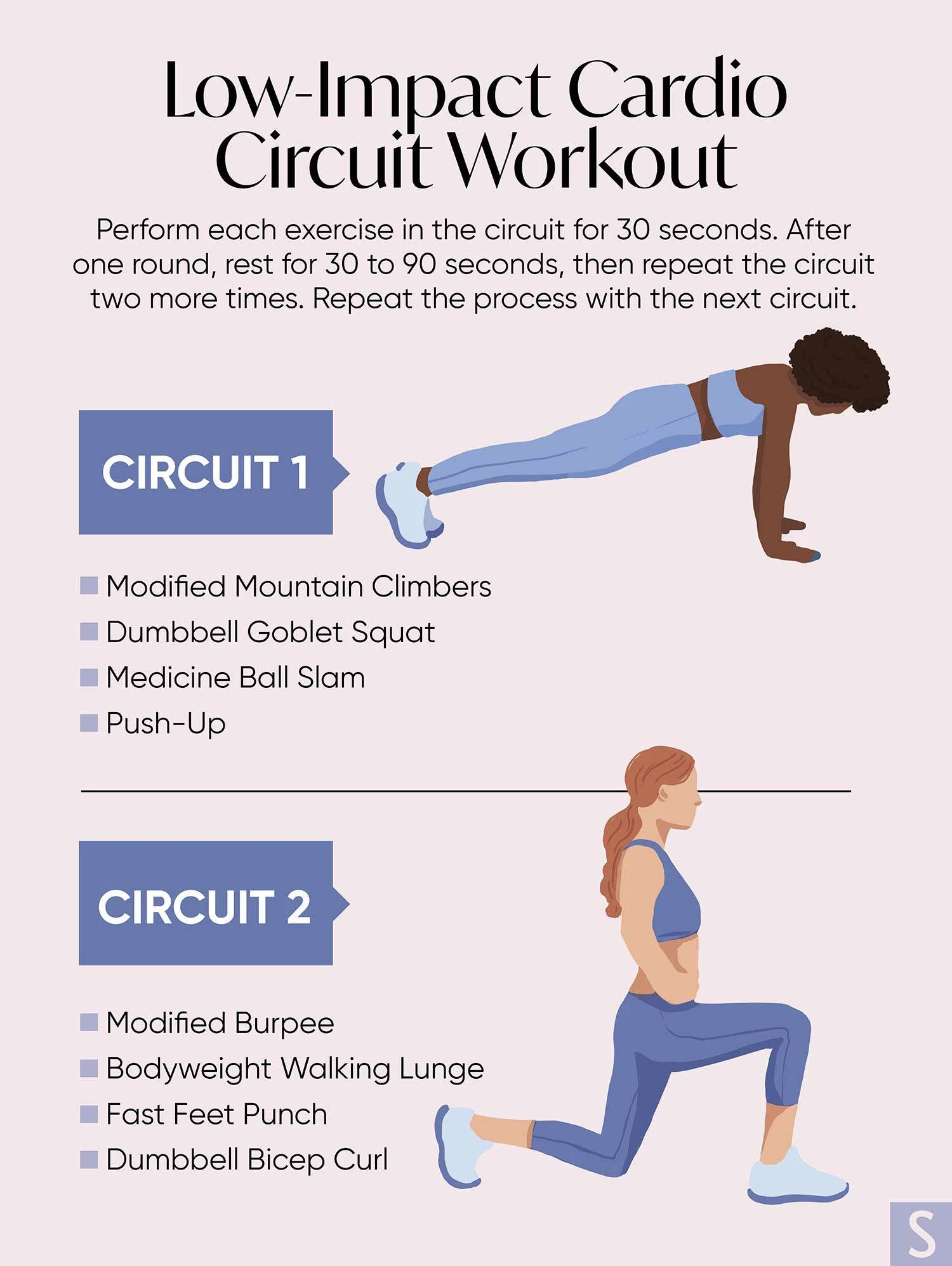
Low-impact cardio refers to aerobic exercises that put minimal stress on the joints. Unlike high-impact activities such as running or jumping, these exercises maintain continuous movement without strong jolts or pounding forces. This makes them especially suitable for people who need gentle motions that preserve joint health while still improving heart and lung function.
How Joint Sensitivity Affects Exercise Choices
Individuals with joint sensitivity often experience pain, stiffness, or swelling during or after physical activity. Conditions like osteoarthritis or past injuries make joints more vulnerable to damage from repetitive impact. Choosing the right exercise becomes critical to avoid worsening discomfort. Low-impact cardio offers a safe way to stay active, as it minimizes stress on sensitive joints and reduces the risk of cartilage wear or inflammation.
Benefits of Low-Impact Cardio for Beginners
Starting any fitness journey can be daunting, especially for those with joint issues. Low-impact cardio provides a manageable entry point. It promotes weight loss, enhances cardiovascular health, and strengthens muscles supporting joints without causing unnecessary pain. Additionally, these exercises build endurance gradually, making it easier for beginners to stick with their routines and see consistent progress.
Top Low-Impact Cardio Exercises to Start With
Walking and Its Variations
Walking is one of the simplest and most accessible forms of low-impact cardio. It requires no special equipment and can be done almost anywhere. For those with joint sensitivity, walking on soft surfaces like grass or tracks helps reduce strain. Adjusting the pace or adding gentle inclines can increase workout intensity without harmful impact. Walking with a friend or in peaceful environments may also enhance motivation and enjoyment.
Swimming and Water Aerobics
Water-based exercises are excellent options because water’s buoyancy supports the body, easing pressure on hips, knees, and ankles. Swimming engages multiple muscle groups, improving strength and flexibility while offering cardiovascular benefits. Water aerobics adds resistance to movements, helping build muscle tone without joint pain. These activities are ideal for reducing inflammation and increasing mobility with minimal risk of injury.
Elliptical Trainer Workouts
Elliptical machines provide smooth, gliding motions that mimic running or walking but eliminate the high-impact jarring. They allow users to adjust speed and resistance according to fitness level, making them suitable for beginners. Because elliptical workouts engage both upper and lower body muscles, they contribute to overall conditioning while protecting sensitive joints from impact stress.
Cycling: Stationary and Outdoor
Cycling is another low-impact cardio choice that strengthens the muscles around the knees and hips. Stationary bikes allow control over resistance and are convenient regardless of weather. Outdoor biking offers variety through changing routes and natural scenery, which can improve motivation. Proper bike fit and posture are key to avoiding added joint strain during cycling sessions.
Creating a Beginner-Friendly Cardio Routine
Warm-Up Tips for Joint Protection
Warming up before cardio exercises is crucial for people with joint sensitivity. Gentle movements lasting 5 to 10 minutes increase blood flow to muscles and lubricate joints, preparing them for activity. Dynamic stretches, such as leg swings or arm circles, gently mobilize the joints without overstressing them. A proper warm-up reduces the risk of injury and joint discomfort during the main workout.
Sample Weekly Workout Plan
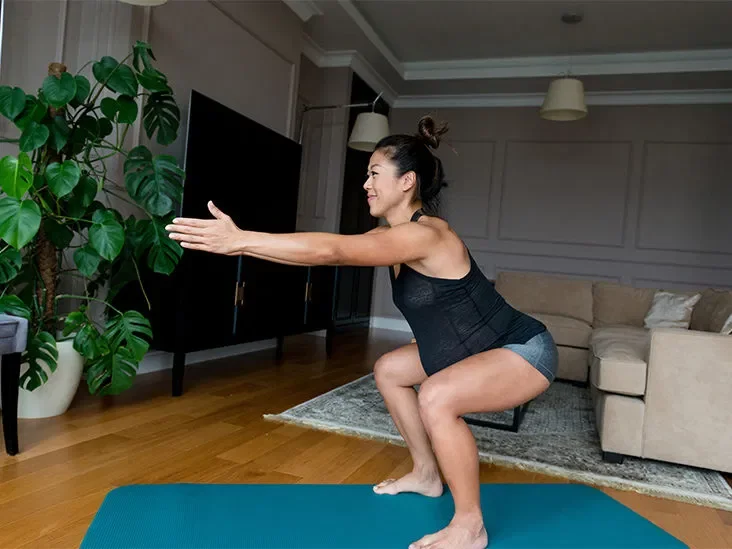
A balanced beginner routine could include walking on soft surfaces three times per week, swimming or water aerobics twice, and cycling or elliptical workouts two days. Each session might last 20 to 30 minutes initially, increasing gradually based on individual comfort and endurance. Incorporating rest days or light stretching prevents overuse and promotes recovery, which is especially important for joint health.
Progressing Safely Over Time
Gradual progression is essential to avoid joint strain. Beginners should listen to their bodies, increasing intensity or duration only when comfortable. Modifying exercises or switching activities may help if pain occurs. Strength training targeting muscles around joints can complement cardiovascular workouts, providing additional support and stability. Consulting with healthcare providers before changing routines ensures safety.
Additional Tips for Joint Health During Cardio
Proper Footwear and Equipment
Wearing supportive footwear with adequate cushioning reduces joint impact during activities like walking or cycling. Shoes designed for specific exercises can improve stability and alignment, preventing added stress on vulnerable areas. Similarly, well-maintained equipment such as elliptical machines or bikes with proper settings enhances comfort and safety during workouts.
Importance of Stretching and Mobility Exercises
Incorporating gentle stretching and mobility routines helps maintain joint flexibility and range of motion. Practices like modified yoga or tai chi can improve balance, reduce stiffness, and ease muscle tension around joints. These activities also promote body awareness, allowing exercisers to perform cardio movements more safely and efficiently.
When to Seek Professional Advice
If joint pain persists or worsens despite modifying workouts, it’s important to consult orthopedic specialists or physical therapists. They can develop tailored exercise plans and recommend treatments to manage symptoms. Programs offered by rehabilitation networks provide specialized support for those experiencing overwhelming joint discomfort, helping maintain both mobility and cardiovascular health safely.


