
Introduction to Natural Pest Control in Organic Gardens
Why Choose Natural Pest Control?
When Maria started her organic garden in the city backyard, she quickly realized that pests were inevitable. Instead of reaching for chemical pesticides, she embraced natural pest control methods, aiming to protect both her plants and the environment. Choosing natural control aligns with the philosophy of organic gardening, promoting biodiversity and maintaining a healthy ecosystem. It not only safeguards the garden’s beneficial insects but also ensures the produce remains free from harmful residues, something Maria’s family deeply valued.
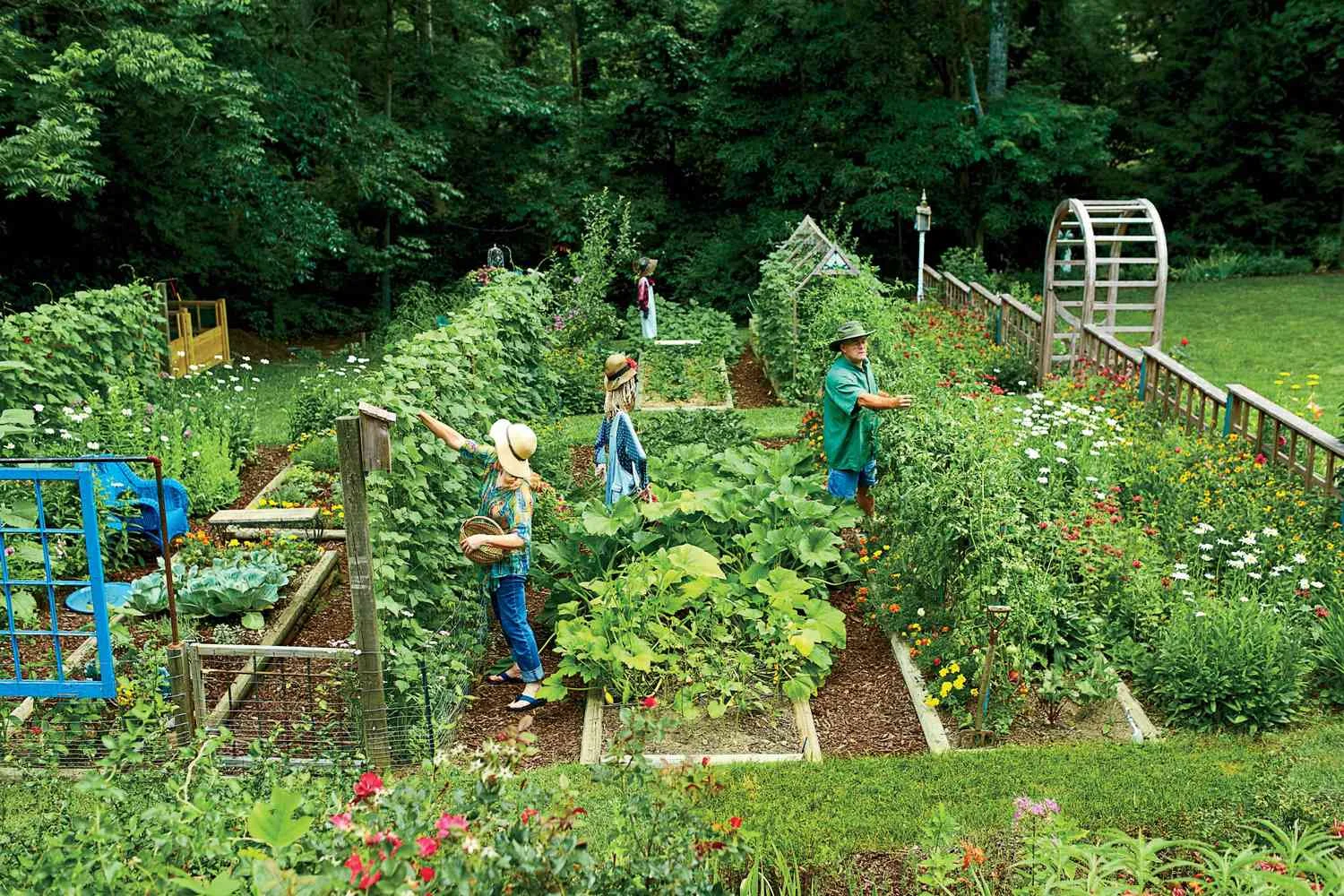
Natural pest control also offers a sustainable, long-term approach. Unlike synthetic chemicals that can cause resistance in pests, natural methods work with the garden’s ecology to keep pest populations in check. For gardeners like Maria, this meant healthier plants, richer soil, and fewer surprises at harvest time.
Common Pests in Home Gardens
Every garden tells a story through its inhabitants, some more troublesome than others. In Maria’s garden, slugs were her nightly visitors, especially feasting on her zucchini leaves during the cool rainy spells. Alongside these slimy creatures, aphids and squash bugs frequently attacked her vegetable plants, while Japanese beetles made occasional appearances, leaving holes in her leafy greens. Even squirrels became unwelcome guests, nibbling at the young shoots in early spring.
These pests are naturally drawn to healthy, organic plants – a clear sign that the garden is thriving. Young plants, in particular, bear the brunt of pest pressure, vulnerable as they are before establishing stronger defenses. Understanding which pests are common and their behaviors is the first step Maria took to protect her garden effectively.
Biological Pest Control Techniques
Beneficial Insects to Attract
Maria learned that inviting the right insects into her garden could turn the tide against pests. Ladybugs, lacewings, and parasitic wasps became her allies, feasting on aphids and other harmful bugs. She planted native wildflowers and provided water sources to encourage these beneficial insects to stay. Over time, she noticed fewer aphids and healthier plants without the need for harsh interventions.
This biological approach creates a natural balance, where predators control pest populations naturally. It’s a gentle yet powerful tactic that gardeners can use to maintain their garden’s health without disrupting the ecosystem’s delicate harmony.
Using Microbial Pesticides Safely
To complement beneficial insects, Maria used microbial pesticides like Bacillus thuringiensis (Bt), a naturally occurring bacterium effective against certain larvae. She carefully followed label instructions, making sure to mix and apply Bt correctly to protect pollinators and beneficial insects. Switching between Bt and Spinosad weekly allowed her to avoid pest resistance and keep control measures effective.
Neem oil became a staple in her routine, applied weekly and mixed with mild soap for better coverage. This organic pesticide targets beetles and other insects without harming the garden’s natural defenders. By wearing gloves and a mask during application, Maria ensured her safety and that of her family, showing that responsible use is key to effective pest management.
Plant-Based Pest Repellents and Deterrents
Herbs and Companion Planting
Maria’s garden wasn’t just vegetables—it was an aromatic patchwork of herbs like lavender, rosemary, thyme, and mint. These herbs released scents that naturally deterred slugs and some insects. She used companion planting strategically, placing marigolds and nasturtiums near her tomatoes and beans to repel aphids and beetles.
Although marigolds helped against insects, Maria discovered they attracted slugs, prompting her to balance planting with slug deterrents like fennel and crushed eggshells. This mix-and-match approach reflects real-world gardening, where no single plant repels every pest. By observing and adjusting, she managed to keep her plants healthier without chemicals.
Homemade Botanical Sprays Recipes
In her small kitchen, Maria prepared sprays from garlic and essential oils. Mixing minced garlic soaked overnight with water created a powerful spray that discouraged many leaf-eating pests. Lavender and peppermint oil sprays targeted squash bugs effectively, while a gentle dish soap and vegetable oil mixture helped control soft-bodied pests like aphids.
She made sure to spray thoroughly, including undersides of leaves and flower buds, recognizing that pests often hide in these areas. Applying these sprays late in the evening minimized stress on her plants and protected pollinators. Testing different recipes taught her which combinations worked best for her garden’s unique pest pressures.
Physical and Mechanical Pest Management
Barriers, Traps, and Handpicking Methods
Every night, Maria went on “slug patrol,” inspecting plants with a flashlight. Instead of killing the slugs, she relocated them to a compost pile far from her vegetables, maintaining her garden’s ecological balance. She set up beer traps and placed melon slices near vulnerable plants, successfully luring slugs away.
To keep pests like squirrels and birds at bay, she covered her fruit clusters with transparent organza bags and installed garden mesh fabric around raised beds. The copper tape wrapped around pots created an invisible barrier preventing slugs from climbing into her plants. These physical methods, combined with handpicking larger pests, formed a robust first line of defense.
Using Mulch and Soil Amendments to Deter Pests
Mulching also played a subtle but important role. Maria used organic mulch to lock moisture into the soil and provide shade, making the environment less favorable for some pests. She mixed crushed eggshells and coffee grounds into the mulch as additional deterrents specifically for slugs.
Beyond pest control, these practices improved soil structure and moisture retention, promoting stronger root systems that better resisted damage. It was a holistic approach, showing that pest management and soil care go hand in hand.
Maintaining Garden Health to Prevent Pest Outbreaks
Soil Health and Nutrient Management
Maria understood that healthy soil was the foundation for pest-resistant plants. She regularly added compost and organic amendments, enriching the soil’s microbiome and nutrition. This not only boosted plant vigor but made them less appealing to pests seeking weak targets.
Instead of reacting to pest problems, Maria focused on prevention through soil and nutrient management. She monitored nutrient levels and pH, adjusting as necessary to keep her garden thriving. Well-fed plants are naturally more resilient, and Maria’s experience confirmed this principle with fewer pest outbreaks each season.
Crop Rotation and Diversity
To break pest life cycles, Maria rotated her crops annually, avoiding planting the same family of vegetables in the same spot. Diverse plantings confused pests and reduced opportunities for infestations to build up. She interspersed her vegetable beds with flowers and herbs, creating a complex ecosystem less hospitable to any one pest.
This diversity meant that when pests attacked one crop, they rarely wiped out the entire garden. Crop rotation and polyculture became crucial practices in her success story, proving their value in natural pest management.
Case Studies: Success Stories of Natural Pest Control
Urban Vegetable Gardens
In a bustling city neighborhood, David transformed a small rooftop garden into a lush vegetable haven. By combining night patrols, companion planting with strong-scented herbs, and weekly organic sprays, he successfully controlled common pests like aphids and squash bugs. His beer traps and copper tape barriers kept slugs at bay without chemicals, while beneficial insects naturally colonized the area due to nearby wildflower pockets David planted.
His approach created a sustainable micro-ecosystem, yielding healthy tomatoes, cucumbers, and zucchini, even amidst the challenges of urban pest pressure.
Flower Beds and Herb Gardens
Jessica’s herb garden faced persistent pest attacks from Japanese beetles and ants. She introduced marigolds and chrysanthemums among her herbs to repel insects, learning carefully not to use marigolds near slug-prone plants. Using neem oil combined with essential oil sprays, she scheduled regular evening applications that minimized harm to pollinators.
She also deployed fine mesh covers over vulnerable plants at night, removing them by day to allow bees and butterflies access. This innovation preserved beneficial insect activity while minimizing damage, allowing her herb garden to flourish pest-free by summer’s end.


