
Understanding the Importance of Proper Herb Storage
Why Fresh Herbs Wilt Quickly
Fresh herbs wilt rapidly due to moisture loss and cell degradation. As soon as herbs are harvested, their cells begin to break down, releasing enzymes that accelerate wilting. Improper handling or exposure to warm, dry air further hastens this process, causing herbs to lose their vibrant appearance and texture within days.
Impact of Storage on Flavor and Nutrients
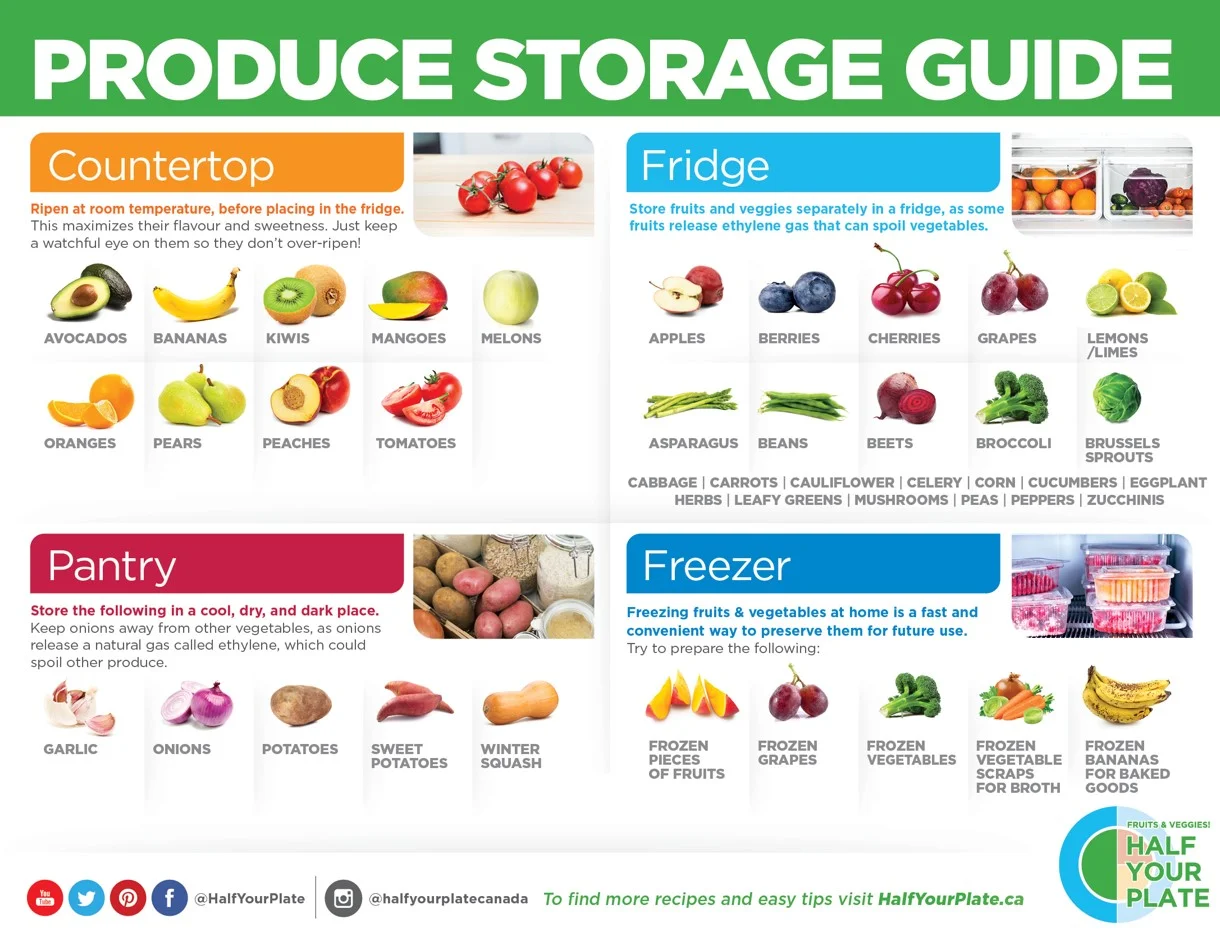
Storage method directly affects both the flavor intensity and nutrient content of herbs. Poor storage can lead to diminished essential oils, which are responsible for herbs’ aroma and taste. Nutrients like vitamins A and C degrade quickly when herbs are exposed to light, air, or fluctuating temperatures, reducing their health benefits.
Top Techniques for Storing Fresh Herbs
Refrigeration: Do’s and Don’ts
Refrigeration is ideal for many fresh herbs but requires careful preparation. Wrapping herbs in a slightly damp paper towel helps maintain moisture without making them soggy. Store them in a breathable container or perforated plastic bag to allow airflow. Avoid sealing herbs tightly in plastic, which traps moisture and causes mold.
Freezing Herbs Without Losing Quality
Freezing is excellent for long-term storage but can alter the texture of delicate herbs. To preserve flavor, chop herbs and freeze them in ice cube trays with water or oil. This method locks in aroma and makes it easy to portion for cooking. Avoid freezing whole leaves directly, as they can become brittle and lose potency.
Drying Methods for Long-Term Preservation
Drying removes moisture, preventing decay and extending shelf life. Air drying works well for woody herbs like thyme and rosemary, which retain flavor despite drying. For quicker results, use a dehydrator or oven on low heat. However, drying can reduce the intensity of fresh herbs such as basil, so it’s best reserved for specific types.
Special Tips for Different Types of Herbs
Leafy Herbs: Basil, Parsley, Cilantro
Leafy herbs require gentle storage to prevent bruising. Basil does not tolerate cold well and should be stored at room temperature, preferably in a glass of water like cut flowers. Parsley and cilantro benefit from refrigeration in a damp paper towel or jar with water covered loosely with a bag to maintain humidity.
Woody Herbs: Rosemary, Thyme, Sage
Woody herbs are heartier and less prone to wilting. They store best wrapped in a dry paper towel inside a plastic bag placed in the fridge. Alternatively, herbs like rosemary can be frozen or dried without significant loss of flavor, making them versatile for various storage techniques.
Delicate Herbs: Dill, Chives, Mint
Delicate herbs like dill, chives, and mint are sensitive to moisture and crushing. Store them in sealed containers lined with paper towels to absorb excess water and reduce wilting. Freezing in oil or butter is a good alternative for preserving their fresh taste over time.
Creative Storage Solutions You Haven’t Tried
Using Herb Ice Cubes for Cooking Convenience
Herb ice cubes offer a simple way to capture fresh flavors for future use. Chop herbs and place them in ice trays, covering with water or olive oil before freezing. These cubes can be dropped directly into soups, stews, or sauces, providing immediate flavor without waste.
Storing Herbs in Oil or Butter
Embedding herbs in oil or butter not only preserves them but also creates flavorful cooking bases. Finely chop herbs and mix with softened butter to freeze in small portions. Alternatively, submerge herbs in olive oil and refrigerate to extend their usability while adding aromatic notes to dishes.
Common Mistakes to Avoid When Storing Fresh Herbs
Overwashing and Its Effects
Excessive washing can lead to prolonged moisture on the herb leaves, fostering mold and rot. It’s best to rinse herbs gently only when ready to use and dry them thoroughly before storage. This practice minimizes spoilage and extends freshness.
Incorrect Packaging and Air Exposure
Storing herbs in airtight containers without proper ventilation traps moisture, causing decay. Conversely, exposing herbs to too much air causes dehydration. Balanced packaging that allows controlled airflow is essential to maintain texture and flavor.
Conclusion: Choosing the Right Method Based on Usage
Selecting the best storage method depends on how you plan to use your herbs. For immediate consumption, refrigeration with gentle moisture control works well. For long-term use, freezing in oil or ice cubes preserves flavor effectively. Drying suits woody herbs for seasoning, while delicate herbs benefit from careful handling and creative freezing techniques. Understanding these options helps maintain freshness, taste, and nutritional value longer.


