
Understanding Lower Back Pain
Common Causes and Risk Factors
Lower back pain is a widespread issue impacting many individuals daily. Understanding the causes helps in effectively addressing the problem. One primary factor is aging, which often leads to the natural degeneration of the spine’s structure, including discs and joints. This degeneration can result in stiffness, reduced flexibility, and pain. Genetics also play a significant role, especially if there is a family history of arthritis, a condition that can inflame joints in the lower back. Other contributors may include poor posture, lack of physical activity, and injuries, but the core causes often revolve around these age-related and hereditary factors.
When to Seek Medical Advice
While many cases of lower back pain can be managed at home with simple exercises, it is crucial to recognize when professional help is needed. If the pain persists beyond four to six weeks despite consistent home treatment, it is advisable to consult a healthcare provider. Additionally, if the pain is severe, associated with numbness or weakness in the legs, or follows a traumatic injury, immediate medical evaluation is necessary. Early intervention in such cases can prevent complications and guide the appropriate course of treatment.
Benefits of At-Home Exercises for Lower Back Pain
Improving Flexibility and Strength
Engaging in targeted at-home exercises can significantly improve both flexibility and strength in the lower back and supporting muscles. Stretching helps increase spine mobility and reduces stiffness, which are common contributors to discomfort. Strengthening exercises focus on the muscles that support the spine, such as the core, glutes, and back muscles, thereby stabilizing the lower back and reducing the risk of re-injury. Consistent practice of these exercises can lead to long-term relief and enhanced functional ability.
Cost-Effective and Convenient Solutions
One of the greatest advantages of at-home exercises is their accessibility and affordability. Unlike frequent visits to physical therapists or clinics, these exercises require minimal equipment and can be performed in the comfort of one’s home. This convenience encourages consistency, which is vital for recovery. Furthermore, individuals can tailor routines to their schedules, allowing them to incorporate healthy habits without disrupting daily life.
Top Effective At-Home Exercises to Relieve Lower Back Pain
Stretching Exercises
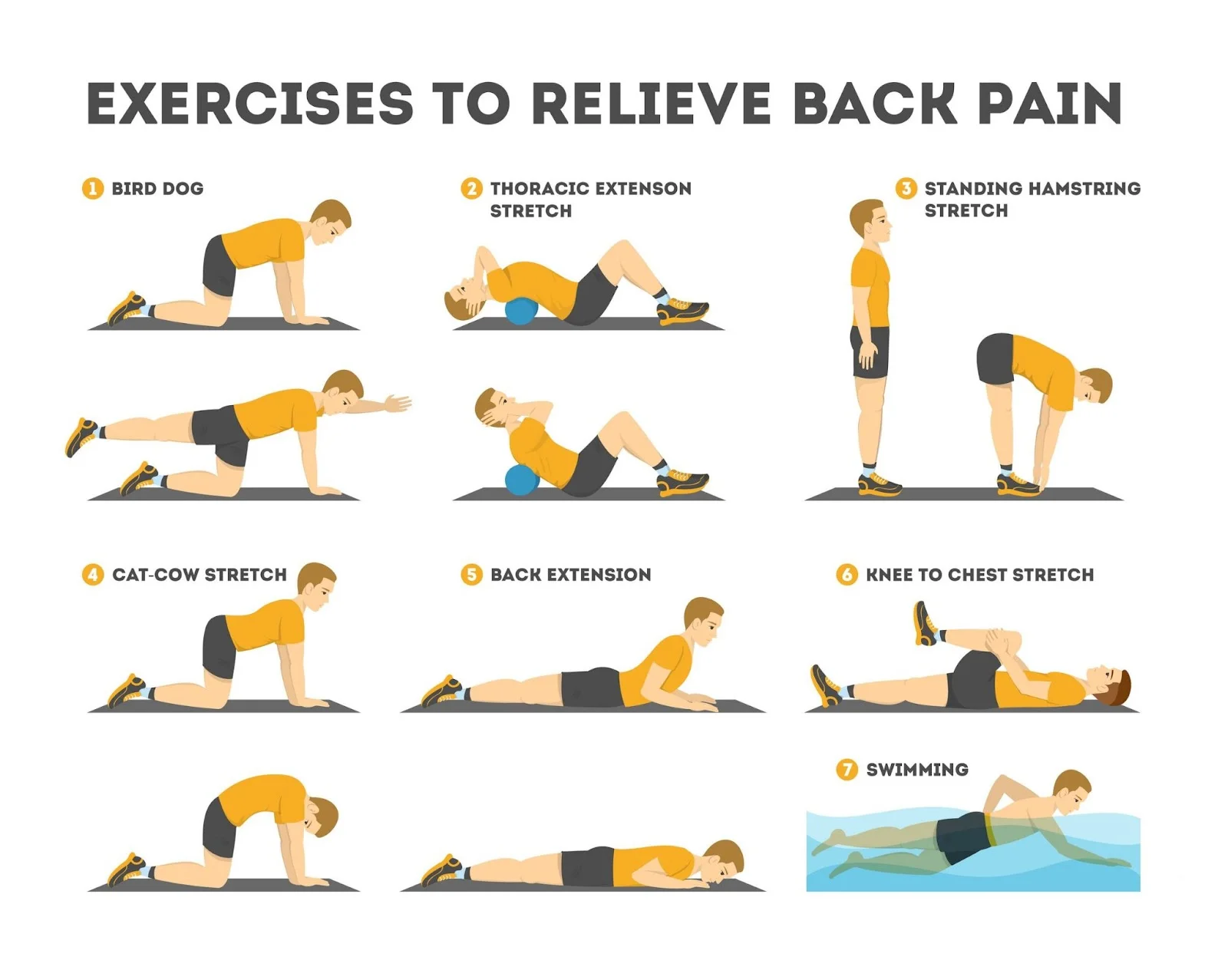
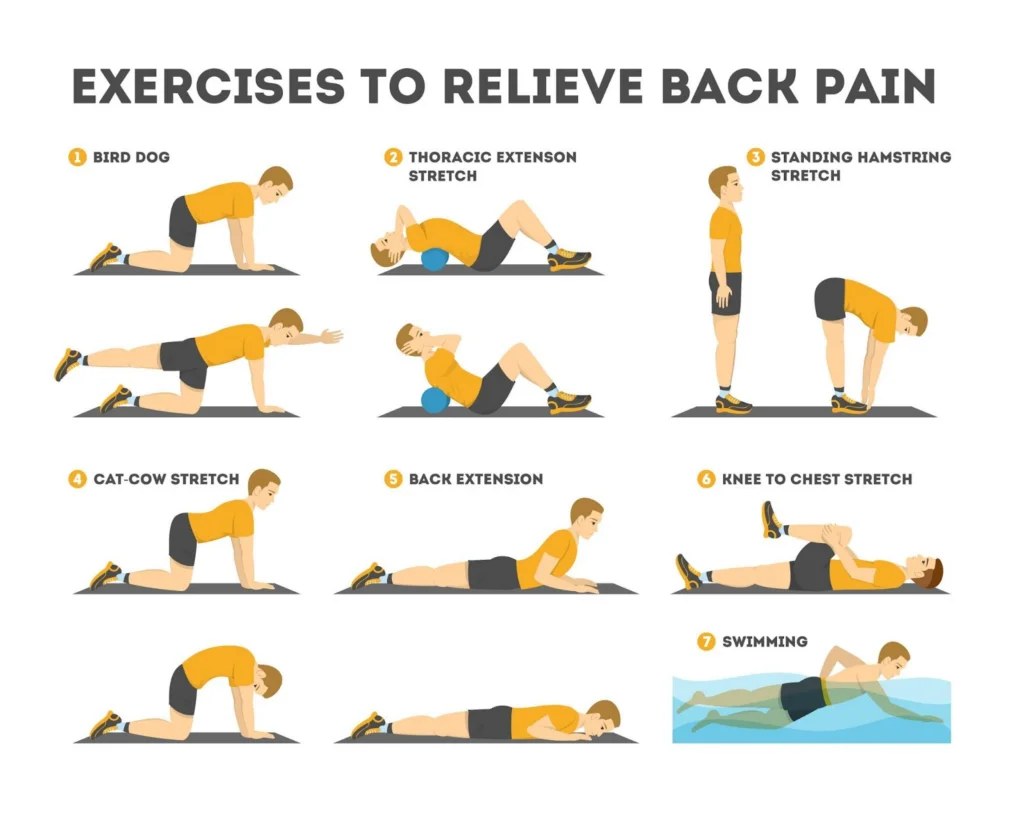
Stretching forms the foundation of relieving lower back pain. Exercises such as the knee-to-chest stretch gently elongate the muscles surrounding the lumbar spine, easing tension. The lower back rotational stretch enhances spinal mobility by allowing slight twisting movements, which can help with stiffness. Another valuable stretch is the hamstring stretch done with a strap, targeting the muscles behind the thighs that impact lower back alignment. The cat stretch encourages spinal flexibility by alternating between arching and rounding the back, promoting relaxation of tight muscles.
Strengthening Exercises
To prevent recurrence of pain, strengthening muscles that support the lower back is essential. The bridge exercise activates the gluteus muscles and stabilizes the pelvis, which provides better support for the spine. The posterior pelvic tilt helps engage the deep core muscles that maintain proper posture. Additionally, the clamshell with resistance targets the hip abductors, improving lateral stability without putting undue stress on the back.
Core Stability Workouts
Core stability workouts focus on the deep abdominal muscles, which are crucial for spinal protection. The dead bug exercise is excellent for beginners, teaching coordination to keep the spine neutral while moving the limbs. Shoulder blade squeezes strengthen the upper back, aiding in overall posture improvement. These workouts are designed not to strain the lower back but rather to build a strong foundation that can prevent future injury.
Step-by-Step Guide to Perform Each Exercise Safely
Warm-Up Routines
Before starting any exercise regimen for lower back pain, warming up is vital. Gentle walking or marching in place for five to ten minutes increases blood flow to muscles, preparing them for movement. Additionally, simple dynamic stretches such as arm circles or hip rolls can loosen joints and reduce stiffness. A good warm-up minimizes the risk of injury and improves the effectiveness of subsequent exercises.
Detailed Exercise Instructions
Performing each exercise with proper technique ensures maximum benefit and safety. When doing the knee-to-chest stretch, lie on your back and gently pull one knee toward the chest while keeping the other leg extended. Repeat this stretch two to three times per side. For the bridge exercise, lie on your back with knees bent and feet flat on the floor, then lift your hips until your knees, hips, and shoulders form a straight line. Begin with five repetitions and progress gradually.
The dead bug requires lying on your back, raising arms and legs towards the ceiling, then slowly lowering opposite limbs while keeping the core engaged and the back flat against the surface. Avoid arching the lower back during this movement to protect the spine. The clamshell exercise is done lying on your side with bent knees, lifting the top knee while keeping your hips still, which strengthens hip muscles without stressing the back.
Cool-Down and Recovery Tips
After completing the exercise routine, it is important to cool down to help muscles relax and prevent soreness. Gentle stretching similar to the warm-up can be effective. Applying ice or heat to the lower back may reduce inflammation or promote muscle relaxation. Additionally, over-the-counter anti-inflammatory medications or menthol creams can provide temporary relief. Consistent recovery practices support ongoing progress and reduce discomfort.
Additional Lifestyle Tips to Support Lower Back Health
Ergonomic Adjustments at Home
Making ergonomic changes at home complements exercise efforts in maintaining lower back health. Ensuring chairs provide adequate lumbar support and that workstations are arranged to promote proper posture can reduce strain throughout the day. Adjusting the height of desks and computer screens helps avoid awkward positions. Taking regular breaks from prolonged sitting or standing allows the lower back muscles to reset.
Importance of Proper Posture
Maintaining proper posture both during activities and rest is crucial for spine health. Engaging core muscles and avoiding slouching reduces unnecessary pressure on the lower back. Whether standing or sitting, keeping the spine aligned and shoulders relaxed minimizes muscle tension. Developing awareness of posture throughout the day can prevent the exacerbation of pain and promote healing.
Nutrition and Hydration for Spine Health
Supporting the spine through balanced nutrition and adequate hydration is often overlooked but essential. Consuming foods rich in vitamins and minerals, particularly calcium and vitamin D, strengthens bones and reduces degeneration risk. Staying hydrated maintains the elasticity of spinal discs and supports overall tissue health. Combining nutritional care with exercise creates a comprehensive approach to managing lower back pain effectively.


