
Why Choose One-Pot Vegan Dinners?
Benefits for Busy Lifestyles
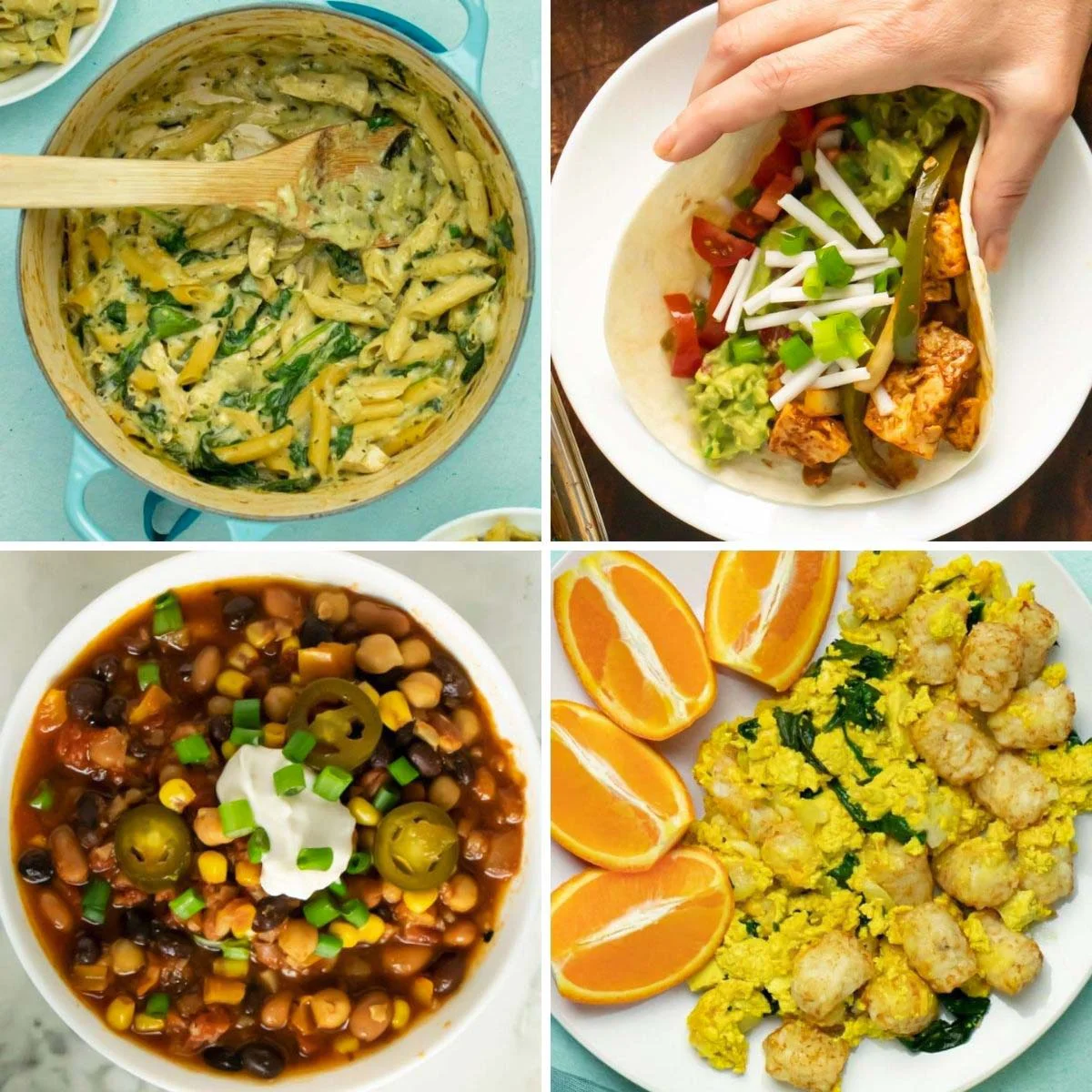
In today’s fast-paced world, finding time to prepare a nutritious dinner can be challenging. Many people face busy weeknight schedules that leave little room for lengthy cooking sessions. One-pot vegan dinners offer a practical solution by simplifying the cooking process. By combining all ingredients into a single dish, these meals reduce the time spent on preparation and cooking. This approach especially benefits individuals juggling work demands, parenting responsibilities, and other commitments, allowing them to enjoy wholesome, plant-based meals without the stress of complicated recipes.
Environmental and Cleanup Advantages
Another compelling reason to embrace one-pot vegan dinners is the environmental and cleanup advantage they provide. Using only one pot minimizes water and energy usage, as fewer utensils and appliances need cleaning. This means less detergent and a reduced ecological footprint. Additionally, the cleanup process becomes quicker and easier, which helps maintain a tidy kitchen even on the busiest days. The simplicity of one-pot meals not only saves your time but also promotes sustainable kitchen habits.
Essential Pantry Staples for One-Pot Vegan Meals
Grains, Legumes, and Vegetables to Keep Handy
To create diverse and satisfying one-pot vegan dinners, it’s important to stock your pantry with versatile staples. Whole grains such as quinoa, rice, and pasta form the base of many meals, providing essential carbohydrates and texture. Legumes like lentils, chickpeas, and beans add valuable plant-based protein and fiber, making meals more filling and nutritious. Fresh or frozen vegetables — including seasonal options — enhance flavor, color, and nutrient content. Keeping a balance of these core ingredients ensures you can quickly throw together a nourishing meal any day of the week.
Herbs, Spices, and Condiments That Elevate Flavor
While the core ingredients deliver substance to one-pot meals, herbs and spices bring them to life with exciting flavors. Stocking your pantry with basics such as garlic, ginger, fresh and dried herbs, and spices like cumin, turmeric, paprika, and curry powder enables you to create a variety of taste profiles. Condiments like coconut milk, tomato paste, soy sauce or tamari, and nutritional yeast amplify the umami and creaminess in dishes, making vegan meals satisfying and complex without excessive effort. Simple seasoning choices can turn a basic stew into a restaurant-worthy dinner.
Top 5 One-Pot Vegan Dinner Recipes
Hearty Lentil and Vegetable Stew
A common obstacle when preparing vegan dinners is ensuring they feel hearty and satisfying. Lentil and vegetable stew addresses this by combining protein-rich lentils with a bounty of root vegetables in a deeply flavored broth. Cooking everything in one pot means the lentils soften alongside the vegetables, allowing the flavors to meld naturally. The result is a comforting and balanced dish that requires minimal hands-on time but delivers maximum nourishment.
Spiced Chickpea and Quinoa Pilaf
For those seeking quick, nutrient-dense meals, the spiced chickpea and quinoa pilaf offers an excellent solution. This recipe uses chickpeas for protein and quinoa for a grain that is both gluten-free and rich in essential amino acids. Simmered with warming spices like cumin and cinnamon, the pilaf boasts a delightful aroma and flavor. This one-pot dish cooks evenly and can be prepared in under 30 minutes, perfect for weeknights when time is short but flavorful food is essential.
Creamy Coconut Curry with Tofu and Greens
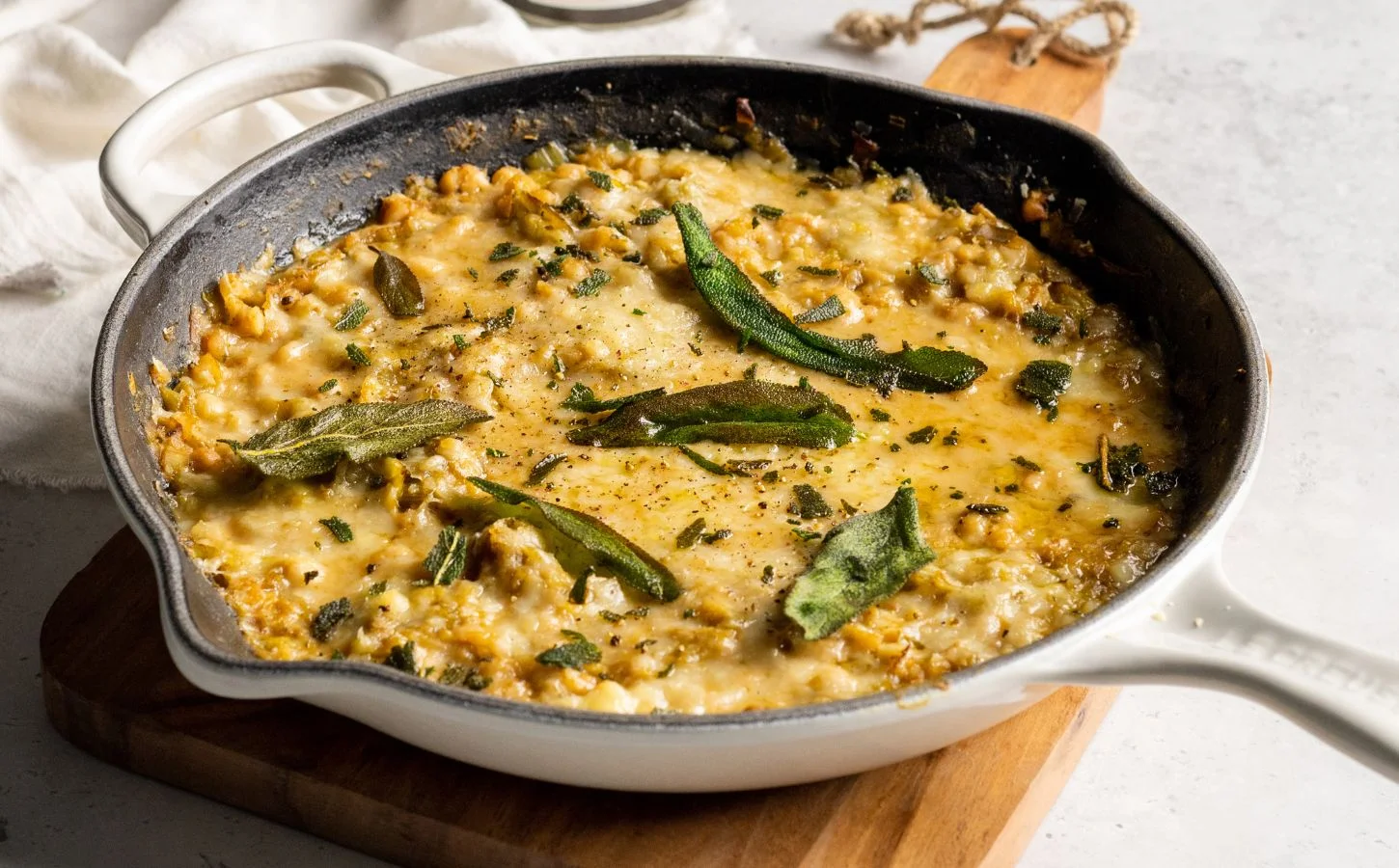
One-pot curries are a fantastic way to combine creamy textures with vibrant, nutrient-packed ingredients. This coconut curry uses silken tofu and leafy greens to provide protein and vitamins. Cooking everything in a single pot allows the tofu to absorb the spicy, fragrant sauce made with coconut milk, lemongrass, ginger, and garlic. The balanced combination of creamy sauce and fresh greens creates a meal that is both indulgent and healthy, requiring only a few simple steps.
Rustic Ratatouille with Polenta
Ratatouille is a classic vegetable stew that demonstrates how plant-based meals can be rustic yet elegant. Made in one pot, this dish layers zucchini, eggplant, peppers, and tomatoes with herbs like thyme and basil. Served alongside creamy polenta that cooks in the same pot, the meal offers a comforting texture contrast and rich flavor. This recipe is perfect for those desiring a satisfying, vegetable-forward dinner that celebrates seasonal produce and requires minimal cleanup.
One-Pot Pasta Primavera with Basil Pesto
Pastas often involve multiple pots and pans, but pasta primavera in one pot changes that paradigm by cooking noodles and vegetables together. Fresh seasonal vegetables such as asparagus, peas, and cherry tomatoes add sweetness and color, while homemade basil pesto brings bright, herbal notes. The one-pot method allows the pasta to absorb the flavors of the vegetables and pesto, creating a cohesive dish that is both easy and elegant. This recipe exemplifies how vegan dinners can be quick, simple, and packed with fresh flavor.
Tips to Maximize Flavor in One-Pot Vegan Cooking
Layering Ingredients for Optimal Taste
Achieving deep, nuanced flavors in one-pot cooking requires thoughtful layering of ingredients. Starting with sautéing aromatics such as onions, garlic, and ginger in a little oil builds a flavor base. Adding spices early in the cooking process allows their essential oils to release fully, enhancing the dish’s complexity. Vegetables and legumes added in stages — depending on their cooking times — ensure everything is perfectly done without becoming mushy. This layering technique transforms simple ingredients into rich, satisfying meals.
Balancing Textures and Nutrients
One challenge of one-pot meals is maintaining appealing textures while ensuring nutritional balance. Combining ingredients like grains, protein-rich legumes, and crunchy or tender vegetables introduces enjoyable contrasts. Including protein sources such as tofu, lentils, or textured vegetable protein makes the meal hearty and well-rounded. Using fresh herbs and a squeeze of citrus at the end can brighten flavors and lift the overall dish. Thoughtful balancing keeps meals interesting and ensures all nutritional bases are covered in a single pot.
Time-Saving Kitchen Hacks for Minimal Cleanup
Choosing the Right Cookware
Investing in high-quality, versatile cookware is essential for successful one-pot cooking. A heavy-bottomed pot or a large deep skillet with a lid distributes heat evenly and prevents sticking or burning. Non-stick surfaces facilitate easier cleanup, reducing the need for scrubbing. Using the right size pot also avoids overcrowding, which can affect cooking times and textures. Selecting the best cookware streamlines the cooking process and makes cleanup less daunting.
Efficient Prep and Storage Techniques
Preparation and storage strategies can significantly reduce kitchen time and mess. Chopping vegetables uniformly ensures even cooking and faster preparation. Pre-measuring spices and having ingredients ready before cooking makes the process seamless. Cooking large batches of one-pot meals like chili or stew allows for leftovers that freeze well, offering quick future meals with minimal effort. Storing leftovers in airtight containers reduces waste and keeps meals fresh, enabling you to enjoy plant-based dinners with little daily hassle.


