
Understanding Stress and Its Impact on Health
What is Stress?
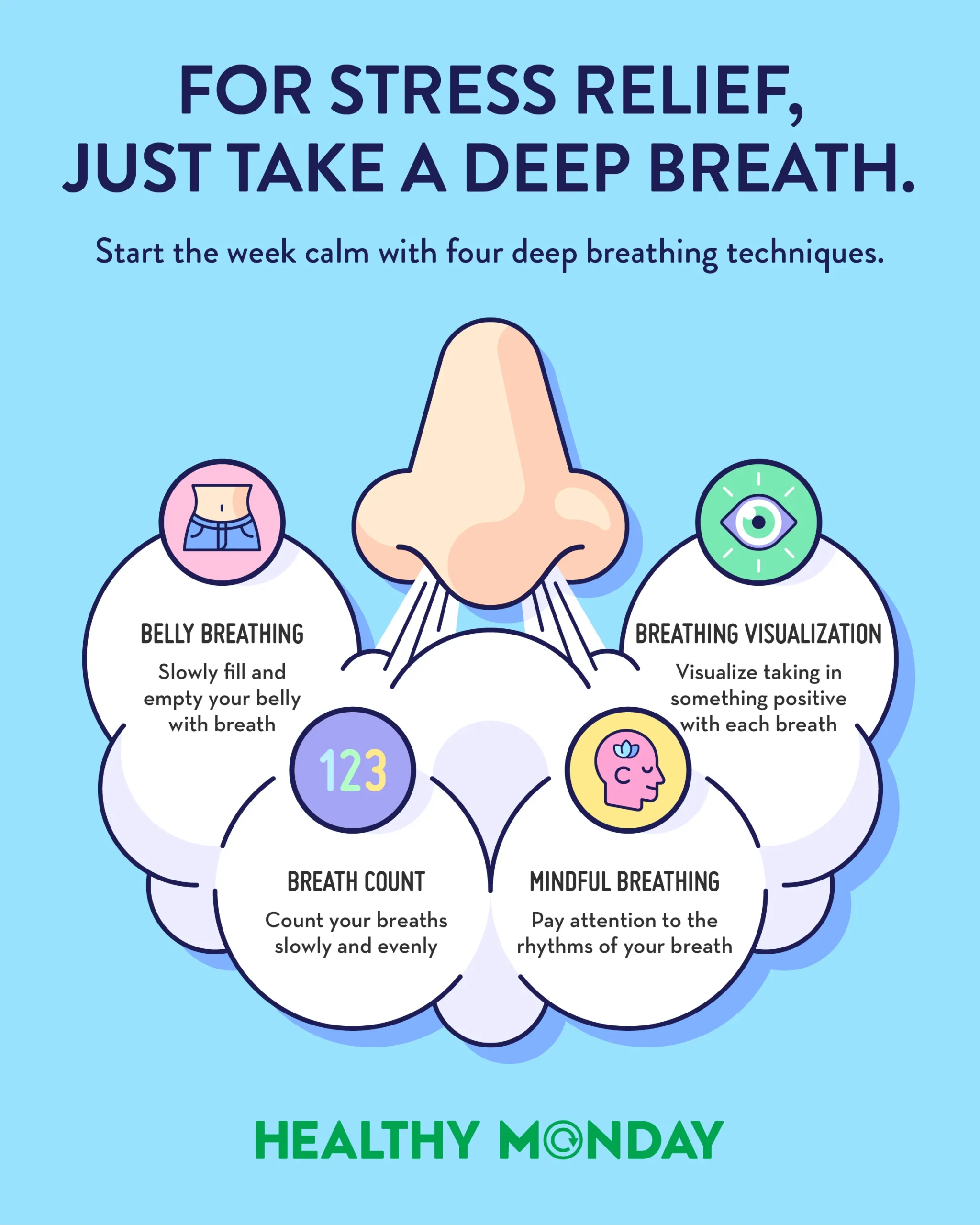
Stress is a natural response to challenges or demands that we experience in our daily lives. It activates the nervous system, triggering the release of hormones such as cortisol, which prepare the body for a ‘fight or flight’ reaction. While stress can sometimes motivate action or heighten awareness, prolonged or excessive stress can overwhelm the body and mind. This ongoing activation often leads to difficulties in managing emotions and everyday tasks.
How Stress Affects the Body and Mind
The impact of stress extends beyond feelings of tension or worry. Physiologically, elevated cortisol levels can influence blood pressure, glucose regulation, and immune function. Mentally, stress contributes to anxiety by creating repetitive loops of negative thoughts and can exacerbate depression through persistent emotional distress. Chronic stress may also disrupt sleep quality, resulting in insomnia or restless nights. These effects can cascade, making it harder to maintain a balanced state and increasing vulnerability to health complications over time.
Introduction to Mindful Breathing
The Science Behind Mindful Breathing
Mindful breathing taps into the body’s natural ability to regulate the nervous system. By focusing attention on slow, deliberate breaths, it activates the parasympathetic nervous system—often called the ‘rest and digest’ system. This shift reduces the physiological signs of stress, such as rapid heartbeat and shallow breathing. Research shows that consistent practice of mindful breathing can improve emotional regulation, decrease anxiety, and enhance overall well-being by facilitating a calm state.
Why It Works for Stress Management
Stress often causes shallow, fast breathing, primarily through the mouth, which limits oxygen intake and intensifies feelings of panic or overwhelm. Mindful breathing counters this by encouraging deep, slow inhales through the nose and longer exhales through the mouth. This pattern signals the brain that it is safe to relax. Additionally, focusing on the breath redirects attention away from stressful thoughts, helping to break cycles of rumination. The simplicity and accessibility of mindful breathing make it a versatile tool for managing stress in various situations.
Simple Mindful Breathing Techniques for Beginners
Basic Diaphragmatic Breathing
This technique encourages breathing deeply into the diaphragm instead of shallow chest breathing. To start, find a comfortable seated or lying position with a straight back. Place one hand on the chest and the other on the belly. Inhale slowly through the nose, aiming to expand the belly outward while keeping the chest relatively still. Exhale gently through the mouth, feeling the belly fall. This mindful attention trains the body to breathe more fully, supporting relaxation.
Box Breathing Method
Box breathing divides the breath cycle into four equal parts. Begin by inhaling slowly through the nose while counting to four. Hold the breath gently for a count of four. Exhale through the mouth across another count of four. Finally, pause with the lungs empty for a count of four before starting again. As you practice, focus on softening the body during breath holds, which helps to further activate calming physiological responses. This method lends itself well to stressful moments where a quick reset is needed.
4-7-8 Breathing Exercise
This technique involves inhaling quietly through the nose for four seconds, holding the breath for seven seconds, and exhaling deliberately through the mouth for eight seconds. The extended exhale is key to signaling the nervous system to reduce stress. Beginners can count slowly in their minds to maintain rhythm. Because the breath holds are longer, it is important to stay relaxed and comfortable. This exercise can be particularly helpful before sleep or during anxiety-provoking situations.
Creating a Mindful Breathing Routine
Setting Up a Calm Environment
Establishing a peaceful space encourages a consistent mindful breathing practice. Choose a quiet spot where distractions are minimal. Turning off phones or limiting exposure to news and digital notifications can prevent information overload and help focus. Soft lighting, comfortable seating, and gentle ambient sounds may enhance the calming atmosphere. Over time, this environment becomes a cue for the body to anticipate relaxation.
Timing and Frequency for Best Results
Consistency is key when developing mindfulness habits. Even brief sessions of a few minutes daily can produce positive effects. Setting aside specific times—such as morning, lunch breaks, or before bedtime—creates a structured routine. Additionally, taking short mindful breathing moments during the day helps release built-up tension and gently resets the nervous system. These intentional pauses can improve emotional awareness and ease transitions between activities.
Using Technology to Support Your Practice
Technology offers various tools to assist beginners in mindful breathing. Guided meditations, breathwork apps, or animated visualizations provide step-by-step instructions and pacing cues. They can be particularly useful when learning new techniques or staying motivated. However, it is beneficial to limit screen time immediately before or after practice to maintain the calming intent. With regular use, technology can reinforce and deepen mindful breathing habits.
Tips to Overcome Common Challenges When Starting
Dealing with a Wandering Mind
It is natural for the mind to drift during mindfulness practice. Instead of trying to force thoughts away, gently observe them without judgment and then redirect attention back to the breath. This process strengthens mental focus over time. Using the senses—such as noticing the temperature of the air entering the nostrils or the rise and fall of the abdomen—provides helpful anchors. Remember that mindfulness is about awareness, not achieving a blank mind.
Maintaining Consistency
Building a regular mindful breathing routine can be challenging. One way to encourage consistency is to integrate brief practices into daily activities like brushing teeth or waiting in line. Setting reminders or pairing breathing exercises with existing habits creates cues to practice. If a technique feels stressful or uncomfortable, exploring other methods or adjusting the practice is important. Flexibility helps avoid frustration and supports long-term engagement.
Integrating Mindful Breathing into Daily Life
Stress Triggers and Breathing Responses
Awareness of personal stress triggers enables intentional breathing responses that reduce tension before it escalates. For example, sensed overwhelm during a busy workday or feelings of anxiety before public speaking can prompt a moment of focused breath. Recognizing when rapid, shallow breathing begins allows for intervention with calming breath patterns. This mindful approach empowers individuals to manage their reactions rather than react automatically.
Mindful Breathing at Work and Home
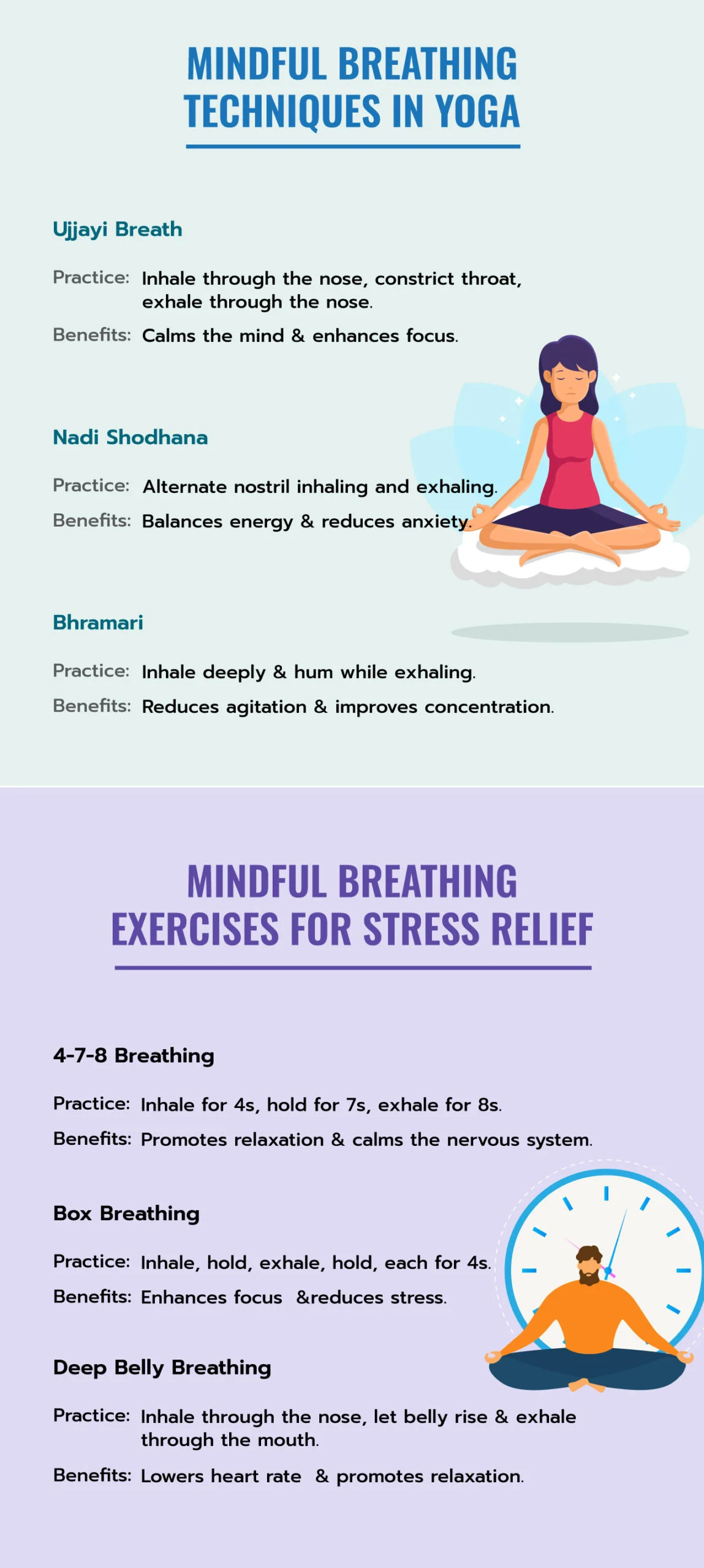
Practicing mindful breathing in different environments requires adaptability. At work, taking a quick private break or doing subtle breath awareness exercises at the desk can help maintain calm amid pressure. At home, incorporating mindful breath with activities such as gentle stretching, yoga, or meditation enhances relaxation. Even short sessions can create seams of peace throughout the day, improving overall stress management and emotional balance.
Measuring Your Progress and Benefits
Tracking Stress Reduction
Keeping track of stress levels before and after mindful breathing sessions provides insight into progress. This can be done by noting subjective feelings of calm, the frequency of stress episodes, or physical signs such as muscle tension. Over weeks or months, observing these patterns reveals improvements in managing stress and resilience in facing challenges.
Noticing Emotional and Physical Changes
With regular practice, individuals often experience increased emotional awareness and control, feeling less overwhelmed by negative thoughts. Physically, improvements may include better quality sleep, reduced muscle tightness, and a general sense of relaxation. Being mindful of these subtle changes reinforces the value of the practice and encourages continued use of mindful breathing as a supportive tool for well-being.


