
Introduction: Embracing Minimalism in a Small Space
Why Decluttering Matters More in Small Apartments
Living in a small apartment can be both cozy and challenging. When your space is limited—typically between 650 to 750 square feet—every item you own impacts how comfortable and functional your home feels. Unlike larger spaces where clutter can hide, small apartments reveal disorganization immediately. A cluttered environment can quickly lead to stress, making it crucial to prioritize decluttering.
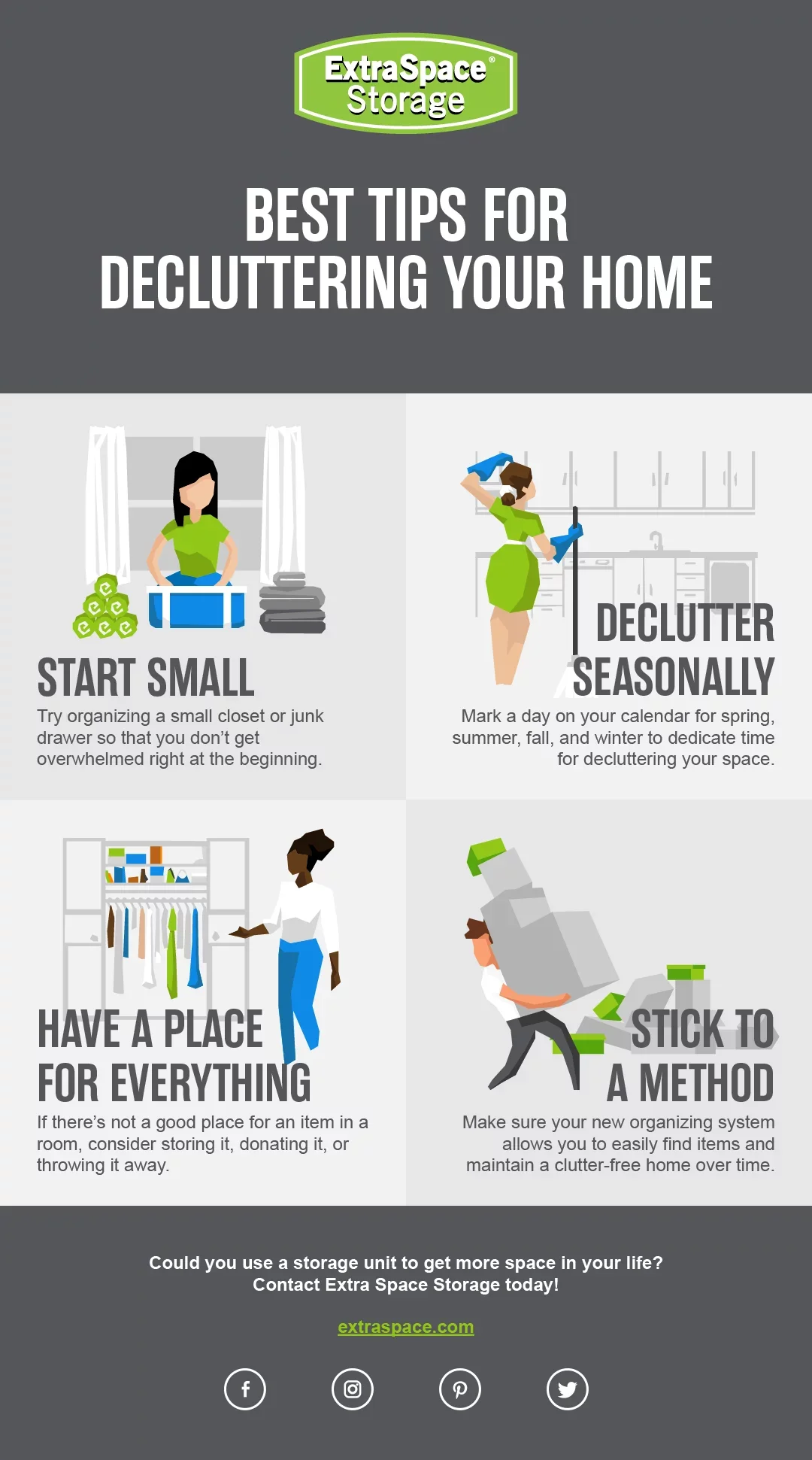
More than just tidying up, decluttering in a small apartment is about creating room to breathe. It means curating your belongings so that every item serves a purpose or brings joy. This sustainable approach enhances your daily living experience, turning your compact space into a true sanctuary.
Overcoming Emotional Barriers to Letting Go
One of the hardest aspects of decluttering is parting with possessions that hold emotional significance. Whether it’s gifts, souvenirs, or items tied to memories, these belongings can turn into clutter over time. Recognizing that holding onto everything is not necessary can be liberating, but it takes practice.
Start by gently challenging yourself to view items objectively. Ask if the item is truly useful or if it only exists to fill space. Sometimes, photographing sentimental things before saying goodbye can ease the process. Remember, letting go of physical objects doesn’t mean losing memories; it simply creates space for new experiences in your life.
Preparation: Setting Yourself Up for Success
Gathering Essential Tools and Supplies
Preparation is key for a smooth decluttering journey. Before diving in, gather everything you’ll need, such as sturdy boxes or bins labeled for keeping, donating, trashing, and storing. Having clear containers or aesthetically pleasing storage boxes can make the process visually motivating and seamless.
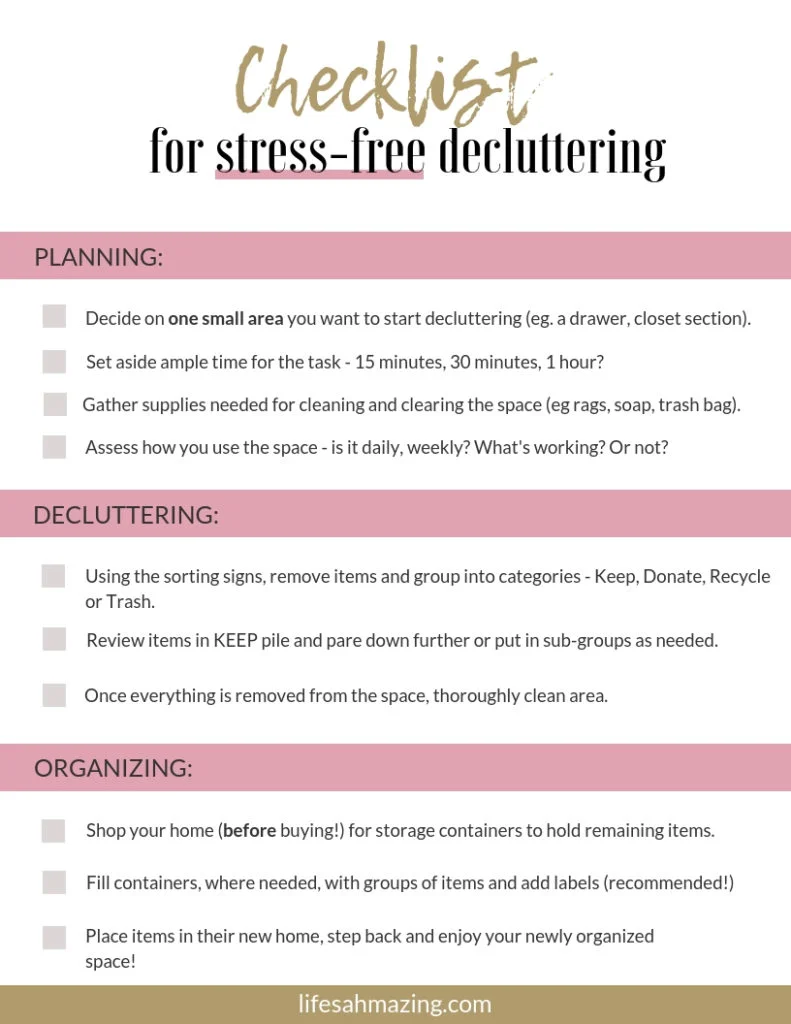
Other essentials include trash bags, cleaning supplies for wiping surfaces after decluttering, and a timer to keep your sessions focused. If digital clutter is part of your goal, make sure your devices are ready for organizing files and emails once physical spaces are sorted.
Scheduling Dedicated Time Blocks for Decluttering
Decluttering doesn’t have to be an all-day marathon. In fact, tackling it in manageable chunks can prevent overwhelm. Look at your schedule and carve out specific time blocks for your sessions—perhaps 30 minutes to an hour a day or every other day. Committing to these short, consistent periods ensures steady progress without burnout.
This approach also helps you integrate decluttering into your routine, making it less daunting. You’ll find that small, intentional actions pile up quickly to create a noticeably tidier home.
Room-by-Room Decluttering Plan
Starting with the Living Area: Prioritize Multifunctional Items
The living room often serves multiple roles—relaxation zone, guest space, entertainment hub. Because of this, it’s a great place to begin decluttering by identifying items that serve more than one purpose. Furniture with built-in storage or fold-away features can help reduce visible clutter while maximizing functionality.
Begin by taking everything off shelves and surfaces, then sorting through what you truly use. For decorative pieces, choose those that have sentimental value or genuinely elevate the room’s aesthetic. Anything that doesn’t meet these criteria may be better off finding a new home elsewhere.
Conquering the Kitchen: Streamlining Your Cooking Space
The kitchen can quickly become overcrowded with gadgets, expired food, and miscellaneous utensils. Start by emptying cupboards and the fridge, inspecting expiry dates, and tossing out what’s no longer good. Set a timer for about 15 minutes to tackle this efficiently without feeling overwhelmed.
Consider rethinking purchases—avoid buying bulk items if your storage space is limited. Organize your cooking area by grouping similar items and using clear or decorative containers for pantry staples. This creates a cleaner, easier-to-navigate kitchen that invites creativity rather than chaos.
Bedroom Sanctuary: Creating Calm Through Simplicity
Your bedroom should be a restful sanctuary. To achieve this, keep only the clothes and accessories you regularly wear. Place all items from your closet or dresser on the floor or bed to visualize what you have. The hanger flipping method—turning hangers backward on unused clothes and flipping them after wearing—can help identify what to keep or donate over time.
Additionally, choosing storage systems that suit your style and space can maintain order. Over-the-door organizers are perfect for shoes or purses, and incorporating storage solutions that you can take with you makes moving effortless.
Bathroom and Storage: Maximizing Every Nook
Small bathrooms require creative storage strategies. Use your medicine cabinet to its fullest by organizing items by category, size, or color. This helps you find essentials quickly and avoid duplicate purchases.
Expired products often take up precious space, so set aside a brief, focused session to dispose of these items. For general storage, use pretty boxes or baskets that match your decor, turning practical necessity into visual delight.
Decluttering Techniques and Strategies
The Four-Box Method: Keep, Donate, Trash, Store
The four-box method is a simple yet effective decluttering tool. As you go through each space, assign every item to one of four boxes: keep, donate, trash, or store. This system reduces decision fatigue and speeds up the process.
Items in the “store” box are those you’re unsure about or plan to keep but don’t use daily. This holding zone avoids premature disposal and gives you time to evaluate. However, keep a timeline to revisit stored items to prevent unnecessary clutter accumulation.
One-In, One-Out Rule for Sustainable Organization
Once you’ve decluttered, maintaining your space is crucial. The one-in, one-out rule encourages sustainability by requiring you to remove an item whenever you bring in something new. This mindset prevents reaccumulation and keeps your apartment feeling spacious.
By applying this rule thoughtfully, you’ll become more intentional about purchases and develop a natural rhythm of keeping only what truly adds value to your life.
Mindset and Motivation Tips to Stay on Track
Breaking Tasks into Bite-Sized Steps
It’s easy to feel defeated by the scope of decluttering. To combat this, break tasks into bite-sized, manageable steps—declutter one drawer, one shelf, or just one corner at a time. These small wins add up and help keep motivation high, turning the process from a dreaded chore into a manageable project.
Remember, even spending ten minutes a day on decluttering can make a noticeable difference over weeks. Patience and consistency are your best allies.
Celebrating Small Wins to Avoid Burnout
Acknowledging progress is essential to prevent burnout. Celebrate when you clear a section of your apartment or finish a scheduled session. This could mean treating yourself to a favorite snack, sharing your success with friends, or simply basking in the refreshed space you created.
Positive reinforcement keeps morale high and fuels the momentum to continue, making decluttering feel less like a burden and more like a rewarding journey.
Post-Decluttering Maintenance: Keeping Your Space Tidy
Daily Habits for Sustained Clarity
Maintaining a clutter-free apartment comes down to daily habits. Simple routines like tidying up before bed, putting things back in their designated spots, and disposing of trash immediately can preserve the order you worked hard to create.
Integrating these small steps into your everyday life keeps clutter from creeping back and keeps your home feeling welcoming and calm.
Periodic Review and Reassessment Schedule
Finally, setting a periodic review schedule helps sustain decluttering efforts. Every few months, revisit your spaces to reassess what you use and what no longer serves you. This prevents clutter from building up again and allows you to adapt to changes in lifestyle or season.
By approaching decluttering as an ongoing process rather than a one-time event, you can maintain a harmonious and functional living environment indefinitely.


