
Understanding the Basics of a Balanced Meal Plan
Key Nutrients Every Busy Professional Needs
When time is tight, it’s tempting to grab whatever food is quick and convenient. However, prioritizing key nutrients ensures your body stays energized and your mind sharp throughout the demanding workday. Busy professionals need a balanced intake of carbohydrates, proteins, fats, vitamins, and minerals to support sustained energy, mental clarity, and overall health.
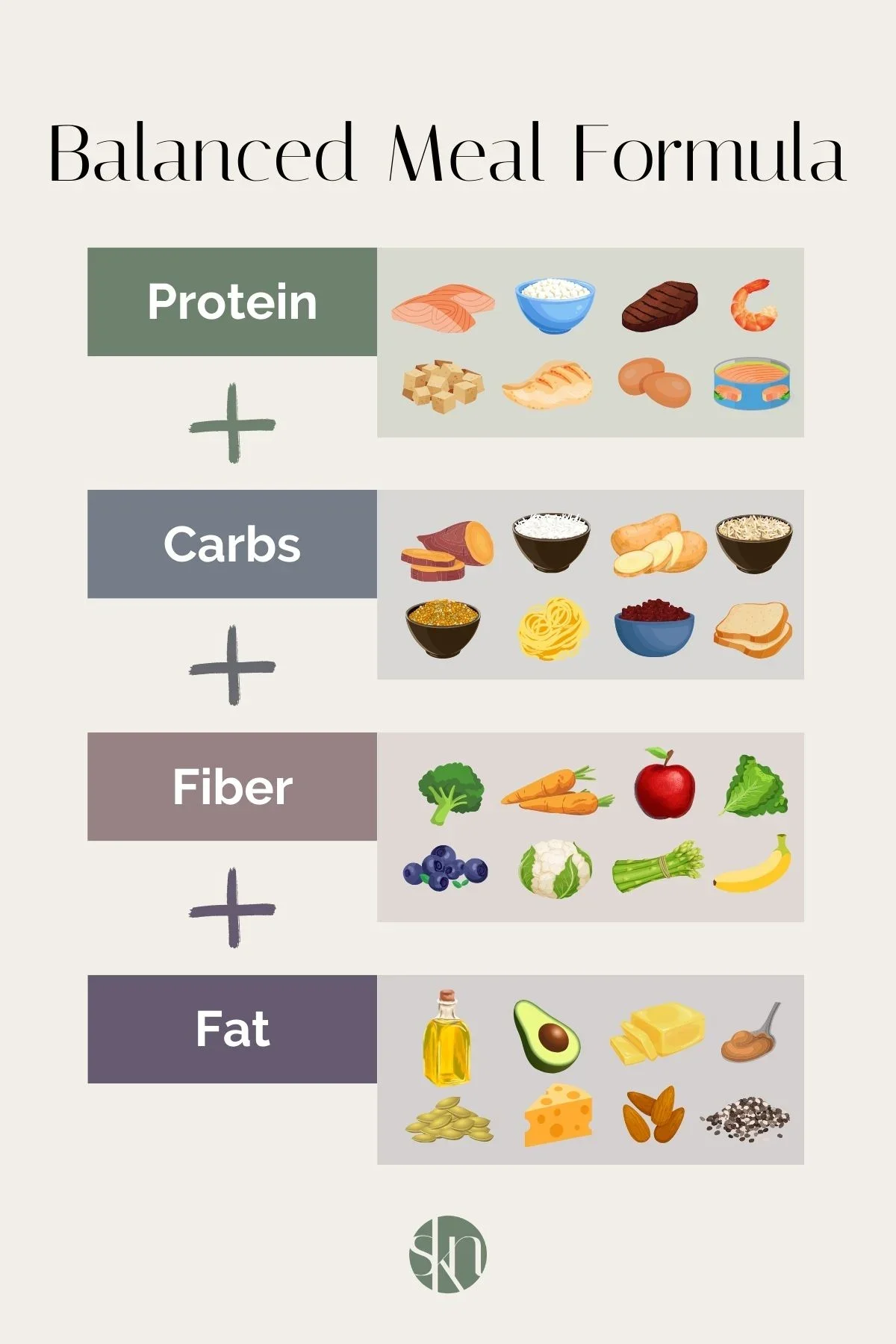
Carbohydrates provide the fuel your brain and muscles need, while proteins help with muscle repair and keeping you full longer. Healthy fats are essential for brain health and hormone regulation. Vitamins and minerals, often overlooked, play crucial roles in immune function and metabolism. Getting these in the right amounts can help you avoid the midday energy crashes that so often plague a hectic schedule.
The Role of Macronutrients and Micronutrients
Macronutrients—carbs, proteins, and fats—are the foundation of every meal. Each serves a distinct purpose, and balancing them can prevent feeling sluggish or overly hungry. While some diets emphasize one macronutrient over another, busy lifestyles benefit most from a combination that provides steady energy without spikes or crashes.
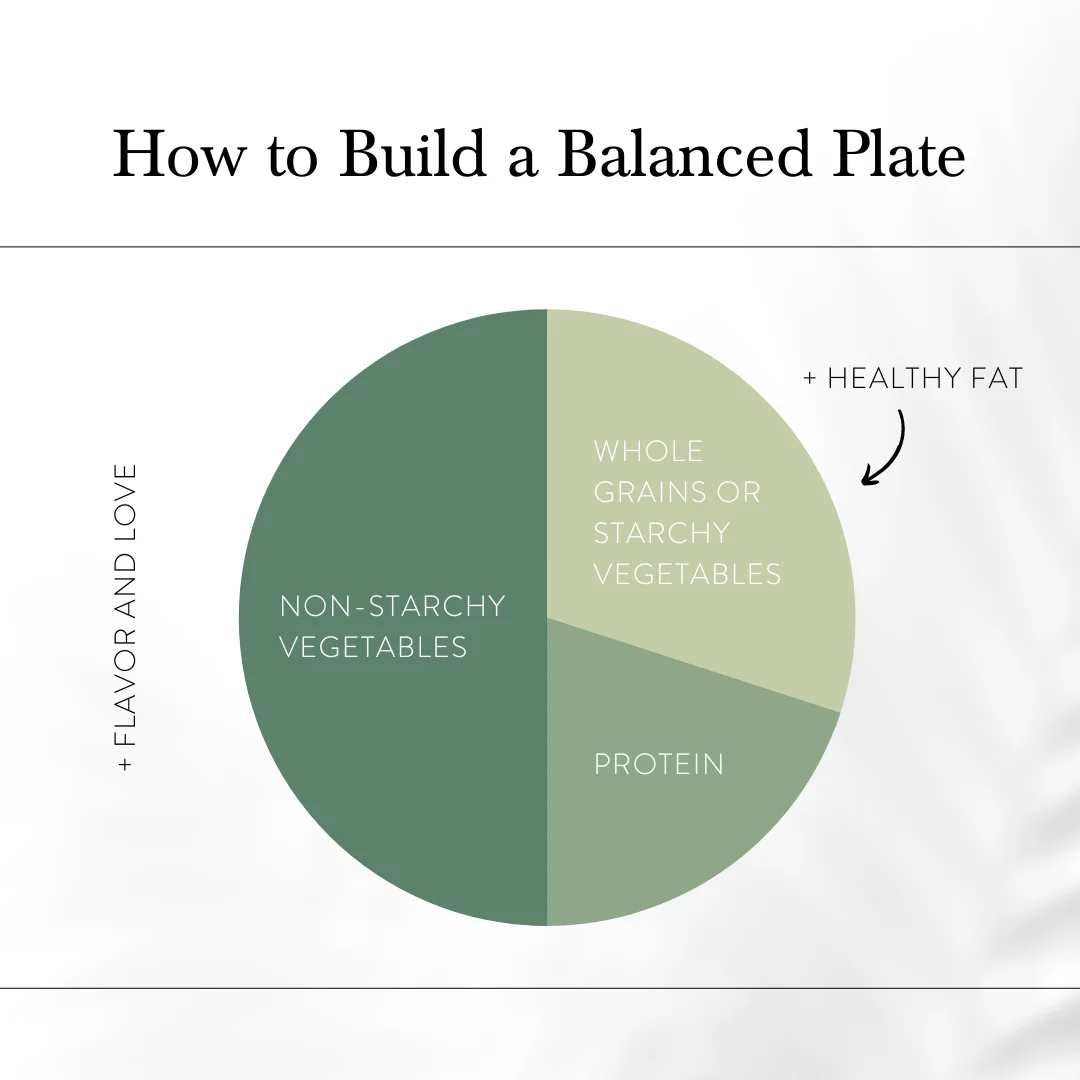
Micronutrients, such as vitamins A, C, D, and minerals like iron and magnesium, support processes that keep your body functioning well. Though needed in smaller amounts, neglecting micronutrients can lead to fatigue and weakened immunity. Integrating colorful vegetables, fruits, nuts, and whole grains throughout the week makes it easier to meet these needs.
Assessing Your Time and Dietary Restrictions
Time Management Strategies for Meal Planning
One of the biggest challenges busy professionals face is carving out time for meal planning and preparation. Instead of viewing this as an annoying task, try to reframe it as a form of self-care—an investment in your well-being that pays dividends in health and productivity. Setting aside a dedicated day or even an hour each week to map out meals and shop can prevent last-minute unhealthy choices.
Planning with your calendar in mind helps too. Consider days packed with meetings or workouts when you might need quicker, grab-and-go options. Conversely, if you have a less hectic evening ahead, plan meals that require a bit more prep but offer leftovers for busier days.
Adapting Plans for Allergies and Preferences
Everyone’s dietary needs are unique. For some, allergies or intolerances may dictate what can be included on the menu. Others might have personal or ethical preferences, such as vegetarianism or gluten-free diets. A balanced meal plan should respect these restrictions without feeling limiting.
Fortunately, many nutritious ingredients lend themselves to substitutions. For example, legumes can replace animal proteins, and gluten-free grains like quinoa stand in well for wheat-based products. The key is to focus on variety within your parameters to ensure you don’t miss out on essential nutrients.
Step-by-Step Guide to Creating Your Balanced Meal Plan
Evaluating Your Weekly Schedule
Before diving into recipes, take stock of your upcoming week. Check your calendar for late nights, social events, or travel that might affect eating habits. Knowing when you’ll be busiest allows you to plan simpler meals or rely on pre-prepped options during those times.
Also, assess what ingredients you already have at home. Avoid overbuying and reduce waste by incorporating existing staples into your plan. This practice keeps shopping efficient and ensures meals are fresh yet diverse.
Choosing Quick and Nutritious Recipes
Efficiency is king for busy professionals. Finding recipes that are both quick to prepare and packed with nutrients is a game-changer. Think stir-fries, sheet-pan meals, or one-pot dishes that blend proteins, vegetables, and grains in minimal time.
Keep a handful of go-to recipes that can be tweaked with different spices or sauces to keep meals exciting. Pre-cut vegetables and frozen produce can drastically cut down prep time without sacrificing nutrition. Remember, convenience doesn’t have to mean unhealthy.
Batch Cooking and Meal Prep Tips
Batch cooking is a lifesaver when time is scarce. Spend a few hours on the weekend preparing proteins, grains, and vegetables that can be mixed and matched through the week. This “buffet prep” approach offers variety without added effort later on.
To maintain flavor diversity, try marinating proteins in different sauces or seasoning vegetables with varying spices. Using aluminum foil to separate items on the same baking sheet can keep flavors distinct. Investing in kitchen tools like pressure cookers or air fryers can speed up cooking and help maintain a healthy texture.
Leveraging Technology for Efficient Planning
Top Meal Planning Apps for Professionals
Technology can simplify meal planning like never before. Apps designed for busy users help organize recipes, generate grocery lists, and even suggest meal ideas based on your preferences and schedule. Some allow customization based on dietary restrictions or health goals, ensuring your plan fits perfectly with your lifestyle.
Using these tools saves the mental load of decision-making and keeps you on track. They can also remind you when to prep or defrost meals, making the process smoother. Try a few to find the one that syncs best with your routine.
Using Grocery Delivery to Save Time
Grocery delivery services are another crucial time-saver. With a detailed shopping list derived from your meal plan, ordering online eliminates the need for in-store browsing. This convenience reduces impulse purchases and ensures you have exactly what you need for the week.
Many services also offer subscriptions for staple items or pre-cut produce, making restocking even more effortless. This approach frees up valuable hours that you can dedicate to cooking or relaxation instead of shopping.
Maintaining Variety and Nutritional Balance
Incorporating Seasonal and Budget-Friendly Ingredients
Rotating seasonal produce is an excellent strategy to keep meals fresh and exciting while being mindful of your budget. Seasonal items tend to be more flavorful and affordable, encouraging you to try new recipes and diversify your nutrient intake.
Shopping at local markets or farmers’ stands can also inspire creative meals and support sustainable choices. Combining these fresh ingredients with staples like grains and proteins creates balanced meals that don’t feel monotonous.
How to Avoid Meal Fatigue with Simple Swaps
Eating the same meals repeatedly can quickly lead to boredom and may cause you to stray from your healthy habits. To keep your palate engaged, swap out one or two components each week. For instance, change the grain from rice to quinoa or switch the dressing on a salad from vinaigrette to tahini-based.
Experimenting with different herbs, spices, and condiments can transform the flavor profile without requiring new cooking techniques. This creative flexibility is key to long-term success with any meal plan.
Real-Life Examples and Sample Meal Plans
7-Day Balanced Meal Plan for a Busy Week
Imagine a week where your breakfasts include quick options like Greek yogurt with frozen berries, overnight oats prepared in advance, or scrambled eggs with spinach. Lunches might consist of batch-cooked grilled chicken paired with roasted vegetables and quinoa, or a chickpea salad with a variety of fresh herbs.
Dinners could be simple sheet-pan salmon with seasonal root vegetables or stir-fried tofu with mixed vegetables and brown rice. Incorporating snacks such as pre-cut veggies with hummus or portable nuts and fruit keeps you fueled without disrupting your schedule. This kind of plan balances nutrition and convenience seamlessly.
Adjustments for Different Caloric Needs
Everyone’s energy requirements differ based on activity level, metabolism, and health goals. If you’re highly active, larger portions or additional snacks may be necessary. Conversely, those looking to lose weight may focus on controlling portion sizes and emphasizing low-calorie, high-nutrient foods.
Personalizing meal plans by consulting a dietitian or using assessment tools can optimize results. Tracking how you feel and adjusting ingredients accordingly helps maintain energy and satisfaction without compromising your goals.


