
Understanding the Threats: Common Pests that Damage Wooden Decks
Types of wood-boring insects
Wooden decks, while beautiful and inviting, can become an ideal habitat for various wood-boring insects. These pests include woodworms, carpenter ants, and termites. Woodworms, the larvae of common beetles, tunnel into the wood, weakening it from the inside. Carpenter ants, unlike termites, don’t eat wood but hollow it out to build nests, causing structural damage. Termites, perhaps the most notorious, consume wood fibers and can devastate a deck if left unchecked. Understanding these pests and their behaviors is crucial for protecting your deck from long-term damage.
Signs of pest infestation on your deck
Detecting pest activity early can save your deck from significant harm. Visible tiny holes on the surface of the wood are a common sign of woodworm infestation. You might also notice fine sawdust-like powder near these holes, known as frass. If your deck squeaks or feels soft in certain areas, it could indicate hidden tunneling or nests beneath. Additionally, the presence of rodents such as rats and mice, who seek shelter under your decking, may not be obvious at first but can lead to further structural issues and hygiene problems.
Environmental factors attracting pests

Pests are drawn to wooden decks for several reasons. Spills and crumbs left behind after meals serve as food sources, attracting insects and rodents alike. Bright white bulbs used in deck lighting tend to lure many flying insects, increasing their presence. The absence of pest-repellent plants or natural deterrents around the deck makes it a more welcoming environment. Moreover, garden decking offers shelter from harsh weather, making it an ideal spot for pests to hibernate. Poorly sealed wood or damp conditions create an inviting habitat for wood-boring insects. Recognizing these factors is the first step in effective pest-proofing.
Preparation Before Starting Pest-Proofing
Inspection and identifying vulnerable areas
Before diving into pest-proofing, take the time to thoroughly inspect your deck. Look closely along the edges, under the decking boards, and on any wooden furniture. Pay special attention to any small holes, cracks, or damp patches where pests could gain entry or establish nests. Removing clutter beneath the deck can also reveal hidden trouble spots. This careful examination will help you target vulnerable areas and decide which pest control methods to apply for the best results.
Necessary tools and materials for DIY pest protection
Equipping yourself with the right tools is essential for effective deck pest-proofing. Basic items such as a stiff broom, a garden hose for washing, and a scraper for removing old paint or residue are very helpful. You should also have natural repellents like citronella candles or essential oils, sealing compounds or wood varnish to block holes, and materials like mesh or chicken wire to create barriers. For trapping rodents, consider non-lethal traps along with bait alternatives to cheese, such as sweet treats, which are more effective. Preparing these materials ahead of time will make the process smoother and more productive.
Step-by-Step DIY Pest-Proofing Techniques
Cleaning and treating wood surfaces
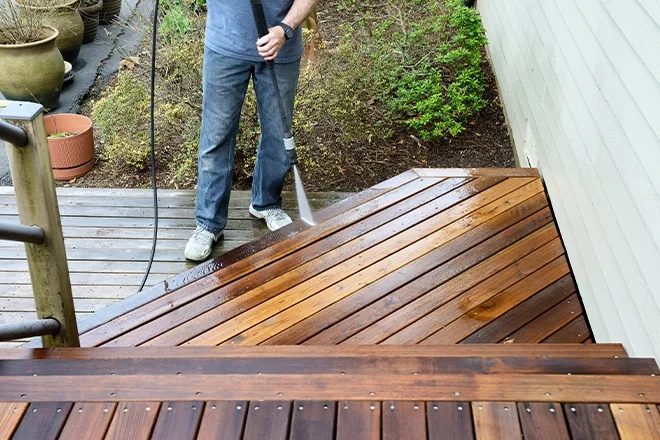
Start with a thorough cleaning routine. Sweep away leaves, dirt, and crumbs that attract pests. Wipe up any spills immediately to prevent lingering food sources. After cleaning, let the wood dry completely, especially in shaded or damp areas. Once dry, apply a protective wood varnish to seal the surface, making it less appealing to wood-boring insects. This simple step inhibits pests from laying eggs in untreated wood and also guards against moisture damage.
Applying natural and chemical repellents
Naturally derived repellents can be quite effective when used correctly. Citronella candles arranged around the deck help keep mosquitoes and flying insects at bay. You can enhance protection by mixing essential oils like lavender or eucalyptus with water in a spray bottle, applying it around the deck’s perimeter. For those who prefer chemical options, commercial repellents and ultrasonic devices that emit high-frequency sounds provide non-toxic ways to deter rodents and insects without impacting your outdoor enjoyment.
Sealing cracks and holes to prevent pest entry
Small gaps and cracks serve as gateways for pests. Carefully seal these with appropriate materials such as wood filler, caulk, or waterproof sealant. Block access under the deck by installing sturdy mesh or chicken wire, ensuring rodents and larger pests cannot squeeze through. For a visually pleasing solution, consider mounting a wooden trellis with mesh on the sides, then conceal it with climbing plants or flowerbeds. This adds charm while keeping your deck pest-resistant.
Creating physical barriers and traps
Physical barriers can be highly effective in keeping pests away. Use strong materials that rodents find difficult to chew through, such as metal mesh, to close off gaps under the decking. Hanging bird feeders, if placed too close to your deck, often invite rats and mice, so relocate these feeders away from the area. For managing rodent visitors, non-lethal traps baited with sweet treats allow safe capture and release far from your home, promoting humane pest control without compromising your deck’s atmosphere.
Maintenance Tips to Keep Pests Away Year-Round
Regular cleaning routines
Daily maintenance is your best defense. Sweep the deck thoroughly to remove crumbs and debris that attract pests. After gatherings or BBQs, clean garden tables and surrounding areas diligently. Avoid letting food remain outdoors, and always seal bins tightly to minimize attractants for rodents and insects. Keeping your deck tidy discourages pests from settling in and helps you spot potential problems early.
Seasonal inspections and treatments
Different seasons bring varying pest challenges. Schedule inspections especially during spring and fall when pests like woodworms and rodents become more active. Look for new holes, frass, or signs of nesting. Reapply varnish or repellents as needed to maintain protective barriers. Seasonal upkeep ensures that your efforts don’t wane over time and that your deck stays sound and inviting throughout the year.
Proper drainage and ventilation practices
Moisture is a key factor in attracting wood-eating pests. Ensure your deck has good drainage to prevent water pooling around or beneath it. Proper ventilation helps keep the wood dry, reducing the likelihood of damp conditions that encourage woodworm infestations. Simple measures like clearing debris from gutters and trimming nearby plants can improve airflow and help your deck breathe, making it a less hospitable place for pests.
Innovative Materials and Products for Pest Resistance
Using treated wood vs. untreated wood
Choosing the right wood can make a lasting difference. Treated wood contains preservatives that protect against fungi, termites, and other insects. It generally offers better durability and pest resistance than untreated wood, which is more vulnerable if exposed to moisture. If you’re replacing or building a new deck, consider investing in treated lumber or even composite decking materials, which combine wood fibers with plastic to resist pests more effectively.
Eco-friendly pest deterrents
For those who prefer environmentally conscious options, eco-friendly repellents are gaining popularity. Plants like rosemary, garlic, chives, lemongrass, and marigolds planted around your deck naturally repel many pests. Sprinkling cayenne pepper or placing cloves of garlic and hot spices in strategic spots can also act as gentle deterrents. Combining these natural methods with physical barriers provides a balanced approach to pest control that’s safe for children, pets, and the environment.
Expert Advice: When to Call a Professional
Identifying severe infestations
While many pest issues can be handled on your own, some situations demand professional help. If you notice extensive damage, such as deep tunnels in the wood, large colonies of termites, or persistent rodent activity despite your efforts, it’s time to bring in experts. Professionals can accurately identify the pest species, assess the damage, and deploy specialized treatments that are more effective for severe infestations.
Combining DIY efforts with professional treatments
Professional pest control doesn’t have to mean giving up on DIY methods. In fact, the best results often come from a combined approach. After a professional treatment, continuing with your regular cleaning, sealing, and natural repellent use strengthens protection and reduces the chance of re-infestation. Staying vigilant, even after major interventions, ensures your wooden deck remains pest-free and retains its beauty and structural integrity for years to come.


