
Understanding Sleep and Its Importance
The Science Behind Quality Sleep
Sleep is not just a passive downtime for the body; it’s a vital, active process that supports nearly every system in our body. During quality sleep, the brain consolidates memories, clears out toxins, and rejuvenates neural pathways. Meanwhile, the body repairs tissues, balances hormones, and strengthens the immune system. Getting enough restorative sleep helps maintain mood stability, cognitive function, and overall health. Without it, even simple daily tasks can become a struggle, and long-term health risks increase. Understanding what good sleep entails is the first step toward improving it naturally.
Common Causes of Poor Sleep Quality
Many factors can disrupt our sleep quality, often in subtle ways. Stress from work or family responsibilities frequently lingers in the mind, making it hard to fall asleep or causing restless nights. Eating habits, such as going to bed hungry or overeating, can lead to discomfort and wakefulness. Consumption of nicotine, caffeine, or alcohol, especially close to bedtime, often interferes with falling or staying asleep. Environmental factors like noise, light exposure, or an uncomfortable mattress also play significant roles. Psychological elements such as anxiety, grief, or social isolation can weigh on the mind, further complicating the ability to enjoy restful sleep.
Natural Strategies to Enhance Sleep
Optimizing Your Sleep Environment
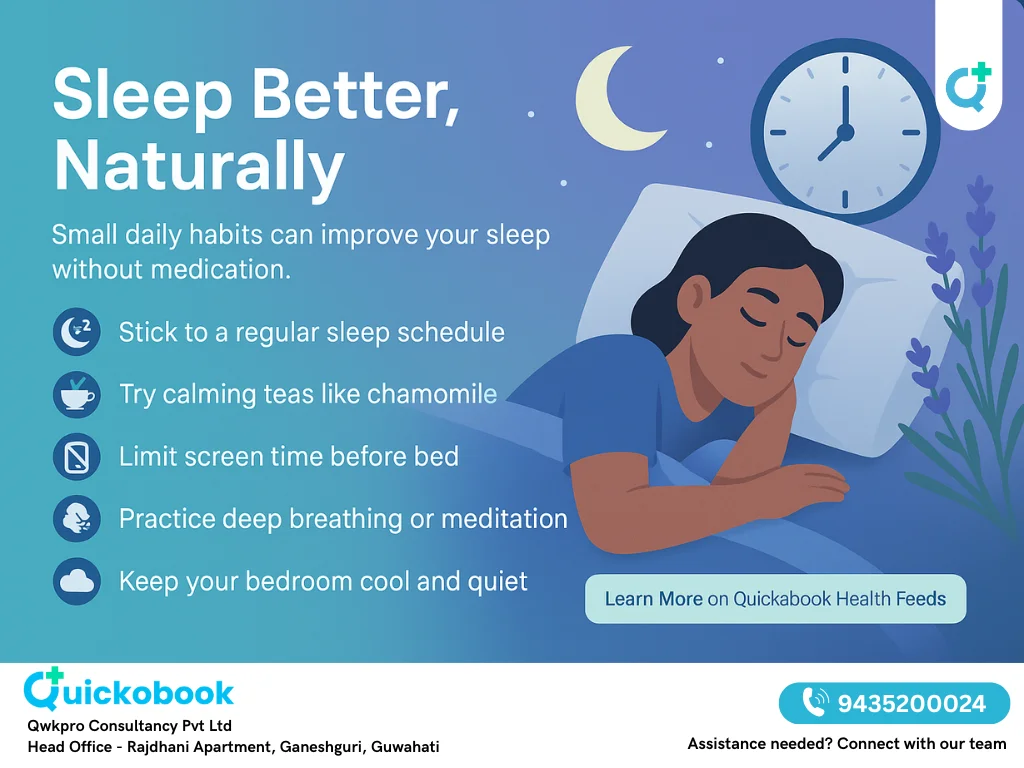
Creating the right sleep environment is pivotal. A bedroom that is cool, quiet, and dark can make falling asleep smoother and nights less interrupted. Investing in room-darkening shades or eye masks to block light, and earplugs or white noise machines to reduce noise, can make a difference. Even the quality of your mattress and pillows matters; a sagging mattress or poor support can cause discomfort that breaks your rest. Keeping electronics out of the bedroom helps minimize distractions and exposure to blue light, which signals the brain to stay awake. Thoughtfully setting up your space encourages your body to associate the bedroom solely with sleep, an important mental cue.
Establishing a Consistent Sleep Routine
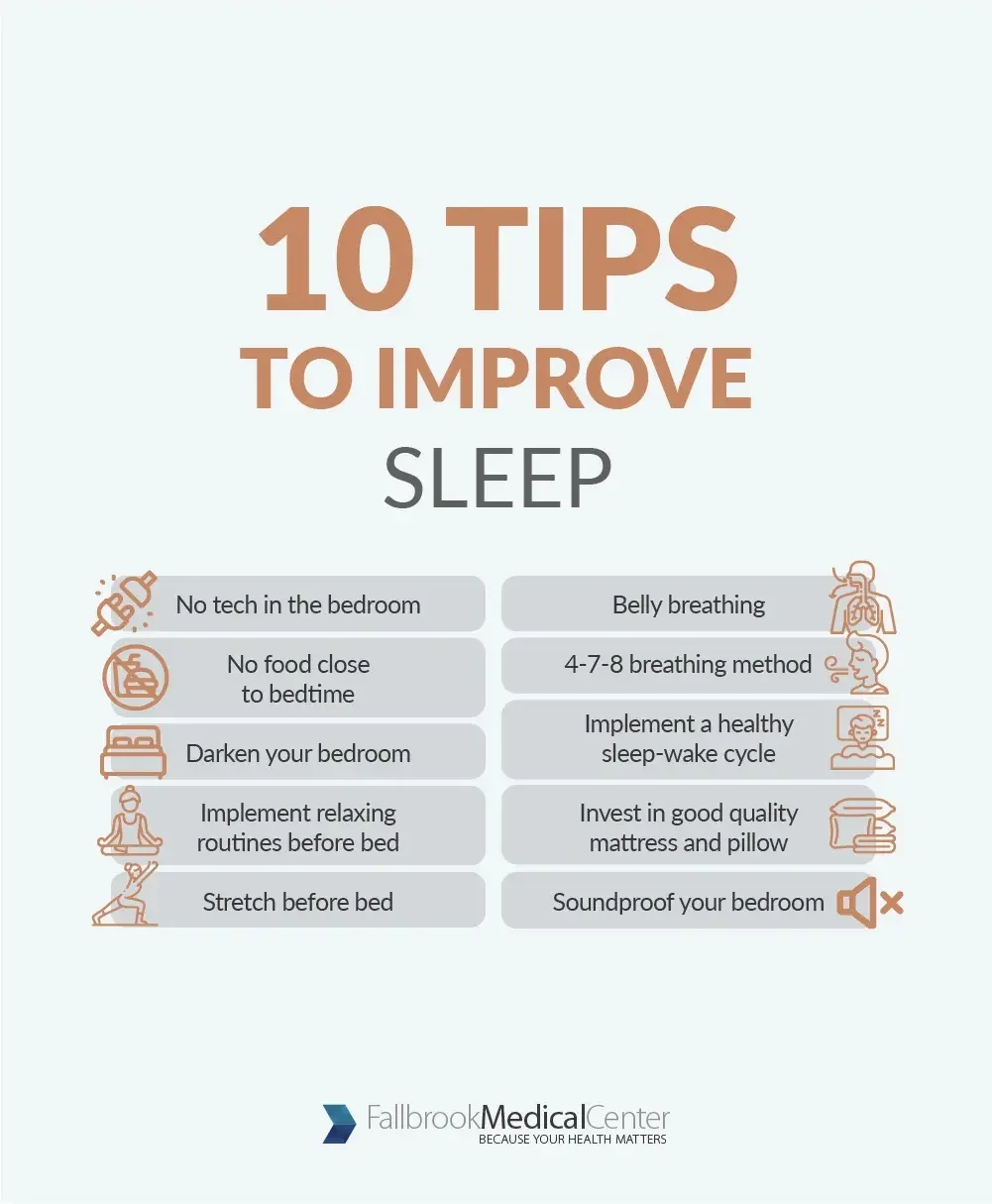
Consistency is key when it comes to sleep. Going to bed and waking up at the same time every day—even on weekends—helps regulate your internal clock. If you find yourself lying awake for more than 20 minutes, it’s better to leave the bedroom and engage in a calming activity like reading a printed book or listening to soft music until sleepy. Avoid spending time in bed awake, as this can create frustration and associate the bed with wakefulness rather than rest. Developing a bedtime ritual, such as journaling or taking a warm bath, signals your body that it’s time to wind down. Over time, these habits help in cultivating a reliable rhythm that improves overall sleep quality.
Diet and Lifestyle Adjustments for Better Sleep
Foods That Promote Restful Sleep
What we eat influences how well we sleep. Heavy meals late in the day can lead to discomfort and restless nights. Instead, opting for light, balanced dinners several hours before bedtime helps your body prepare for rest. Certain foods are known to naturally encourage relaxation. For example, nuts, cherries, and herbal teas not only provide nutrients that assist with sleep but also avoid the stimulants found in caffeine or sugar. Being mindful of your evening intake, steering clear of coffee, teas, and sodas with caffeine, and limiting alcohol consumption can protect your body’s natural sleep processes.
Exercise and Its Role in Sleep Improvement
Regular physical activity is a natural ally for better sleep. Exercise helps reduce stress and tire the body in a healthy way, promoting deeper, more restorative sleep cycles. Spending time outside also exposes you to natural light, which helps regulate your circadian rhythm. Aim to include movement into your daily routine but avoid intense workouts close to bedtime, as they might leave you too energized to fall asleep easily. Even light stretches or a gentle walk in the evening can help calm the mind and body as part of a wind-down routine.
Mindfulness and Relaxation Techniques
Breathing Exercises for Sleep Induction
Simple breathing practices can be surprisingly effective in calming the nervous system when restless thoughts keep you awake. Deep, slow breaths encourage relaxation by activating the parasympathetic nervous system—the part responsible for rest and digestion. Techniques such as inhaling slowly for a count of four, holding briefly, and then exhaling for a longer count can reduce anxiety and prepare your body for sleep. Incorporating these exercises into your bedtime routine can create a peaceful transition from wakefulness to rest.
Practicing Meditation and Yoga Before Bedtime
Meditation and gentle yoga are great tools to ease both mind and body before sleep. Meditation focuses your attention inward, often on the breath or a calming image, helping to let go of the day’s worries. Yoga, especially poses that stretch and relax muscles, can release physical tension that might otherwise interfere with comfort in bed. Even a short session can slow the heart rate and quiet the mind, laying the groundwork for uninterrupted slumber. Making these practices a habit fosters a more mindful approach to winding down each night.
Additional Tips and Hacks
Using Natural Light to Regulate Sleep Cycles
Our bodies are finely tuned to the natural cycle of daylight and darkness. Exposure to sunlight during the day, especially in the morning, helps set your internal clock, making it easier to fall asleep when night comes. Conversely, minimizing exposure to artificial light in the evenings supports the production of melatonin, the hormone that signals sleep. Opening curtains and spending time outside whenever possible makes a meaningful difference in sleep timing and quality. This natural rhythm supports restful nights without relying on external aids.
The Impact of Limiting Screen Time
Screen use before bed is a common trap that disrupts sleep quality. Devices like smartphones, tablets, and laptops emit blue light, which can suppress melatonin and trick your brain into feeling alert. Moreover, the content we consume late at night, such as scrolling through social media or news, often triggers stress or anxiety, further hindering relaxation. Turning off screens at least an hour before bedtime and switching to calming activities like reading a paper book or listening to soothing audiobooks can protect your sleep routine. This shift not only helps your body recognize it’s time to rest but also shields you from bedtime worries triggered by late-night digital content.


