
Introduction to Non-Toxic Pest Control for Indoor Plants
Indoor plants brighten living spaces but can attract pests that threaten their health. Traditional chemical pesticides often pose risks to pets sharing the home. Non-toxic pest control methods offer effective ways to protect plants without harming cats, dogs, or other animals. These approaches use natural ingredients or physical techniques that maintain a safe environment for all household members.
Common Indoor Plant Pests and Their Impact on Pet Safety
Identifying Common Pests: Aphids, Spider Mites, and Mealybugs
Several pests commonly infest indoor plants, compromising their vigor. Aphids cluster on new growth, sucking plant juices and leaving sticky residue. Spider mites are tiny arachnids that cause faint yellow spots on leaves and fine webbing. Mealybugs appear as white, cottony masses beneath leaves and around roots. Recognizing these pests early is crucial for managing infestations before they escalate.
Risks Pests Pose to Pets in the Home Environment
While pests primarily damage plants, some pose indirect risks to pets. Ingesting leaves or soil contaminated with pesticides can lead to toxicity. Moreover, frantic scratching or licking from pet exposure to pests like spider mites or mealybugs may cause irritation. Ensuring pest control methods avoid harsh chemicals is essential for maintaining pet health and comfort.
Top Non-Toxic Pest Control Solutions Safe for Pets
Natural Repellents and Homemade Remedies
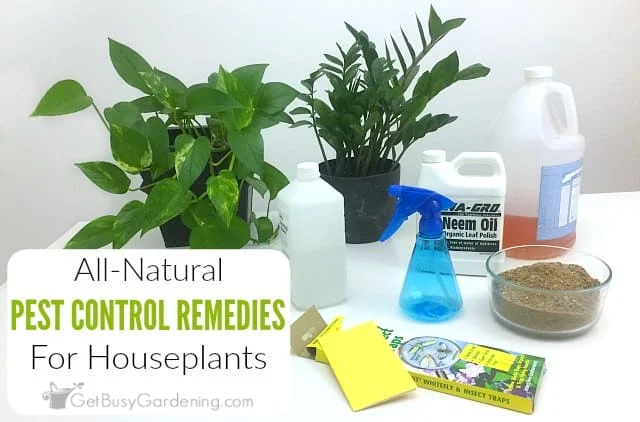
Non-toxic treatments often involve simple household ingredients. Handpicking pests or wiping aphids off plants helps manage infestations without chemicals. For mealybugs, a cotton swab dipped in rubbing alcohol effectively removes them in small numbers. Increasing indoor humidity reduces spider mite populations, as these pests thrive in dry conditions. Allowing soil to dry between waterings limits fungus gnat larvae growth.
Using Beneficial Insects Indoors
Introducing natural predators, such as ladybugs or predatory mites, offers a biological approach to pest control. These beneficial insects prey on pests without harming plants or pets. They require controlled environments and careful monitoring but provide lasting pest suppression naturally.
Organic Commercial Products: What to Look For
Many organic insecticides are formulated to target pests while safeguarding pets. Products containing beneficial bacteria like Bacillus thuringiensis (Bt) attack specific larvae such as fungus gnats without toxic effects. When selecting sprays or soil treatments, prioritize those labeled pet-safe and plant-friendly, free from harsh chemicals or synthetic pesticides.
Preventative Measures to Protect Indoor Plants and Pets
Proper Plant Care and Hygiene
Healthy plants resist pests more effectively. Avoid over-fertilizing, especially during winter, as excessive nutrients create tender growth that pests favor. Maintaining moderate humidity and adequate light reduces plant stress, minimizing susceptibility. Regularly inspecting plants for early pest signs ensures prompt intervention.
Physical Barriers and Safe Placement of Plants
Positioning plants out of pets’ reach prevents accidental contact with pests or treatments. Using barriers like plant stands or enclosed terrariums limits pest spread and protects curious animals. Clean surrounding areas to remove fallen leaves or debris that harbor pests and prevent transfer to other plants or pets.
When to Consult Professionals: Balancing Pest Control with Pet Safety
Severe infestations sometimes require expert help. Pest control specialists familiar with pet-safe methods can provide targeted treatments while minimizing risks. Communicate clearly about pets present in the home to ensure selection of appropriate strategies. Prompt professional intervention preserves plant health and protects pet wellbeing in challenging situations.


