
Understanding Sleep Challenges for Night Shift Workers
The Impact of Night Shifts on Circadian Rhythms
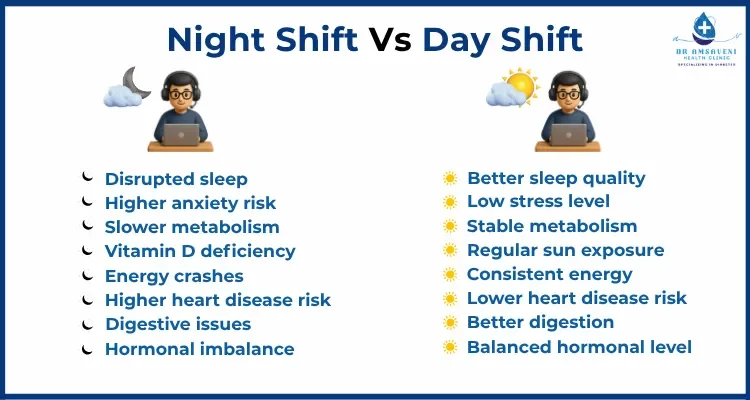
Night shift work disrupts the body’s natural sleep-wake cycle, also known as the circadian rhythm. This internal clock typically synchronizes with daylight and darkness, promoting alertness during the day and restfulness at night. When working night shifts, this rhythm is forced to adapt to a reversed schedule, leaving the body confused about the appropriate times to sleep and be awake. The exposure to light during night hours further suppresses melatonin production, the hormone responsible for sleep initiation, making it difficult to fall asleep even when feeling exhausted. As a result, night shift workers often find themselves struggling with insufficient and poor-quality sleep.
Common Sleep Disorders Linked to Shift Work
Shift work can lead to several sleep-related difficulties, including Shift Work Sleep Disorder (SWSD). This condition is characterized by persistent insomnia during intended sleep times and excessive sleepiness while working. Additionally, night shift workers may be at higher risk for other disorders such as sleep apnea or narcolepsy, which further complicate getting restful sleep. Environmental factors like daytime noise and light disturbances can intensify these challenges, making effective and restorative sleep elusive.
Effective Natural Remedies to Enhance Sleep Quality
Herbal Aids: Valerian Root, Chamomile, and Lavender
Natural herbs have long been used to promote relaxation and sleep. Valerian root is known for its calming effects that may help reduce the time it takes to fall asleep. Chamomile, often consumed as a tea, contains compounds that can ease anxiety and support a restful state. Lavender, commonly used in aromatherapy, has soothing properties that can calm the nervous system when inhaled or applied topically. Incorporating these herbs into a bedtime routine can gently support sleep without the risks associated with medications.
Supplements and Vitamins: Melatonin and Magnesium
Melatonin is a hormone naturally produced by the body to regulate sleep, and its levels can be disrupted by shift work. Some night shift workers experiment with melatonin supplements to help reset their internal clocks. Magnesium is another supplement that may improve sleep quality by promoting muscle relaxation and reducing nervous tension. However, it is important to approach supplementation thoughtfully and consider individual needs, as responses can vary significantly.
Essential Oils and Aromatherapy Techniques
Essential oils like lavender and chamomile can be used through diffusers or applied as part of a bedtime ritual. Aromatherapy engages the olfactory system, helping to ease the mind and reduce stress levels. Techniques such as inhaling calming scents before sleep or incorporating oils into a warm bath can create a soothing transition to rest, enhancing sleep quality naturally without side effects.
Lifestyle Adjustments for Better Sleep
Establishing a Consistent Sleep Schedule
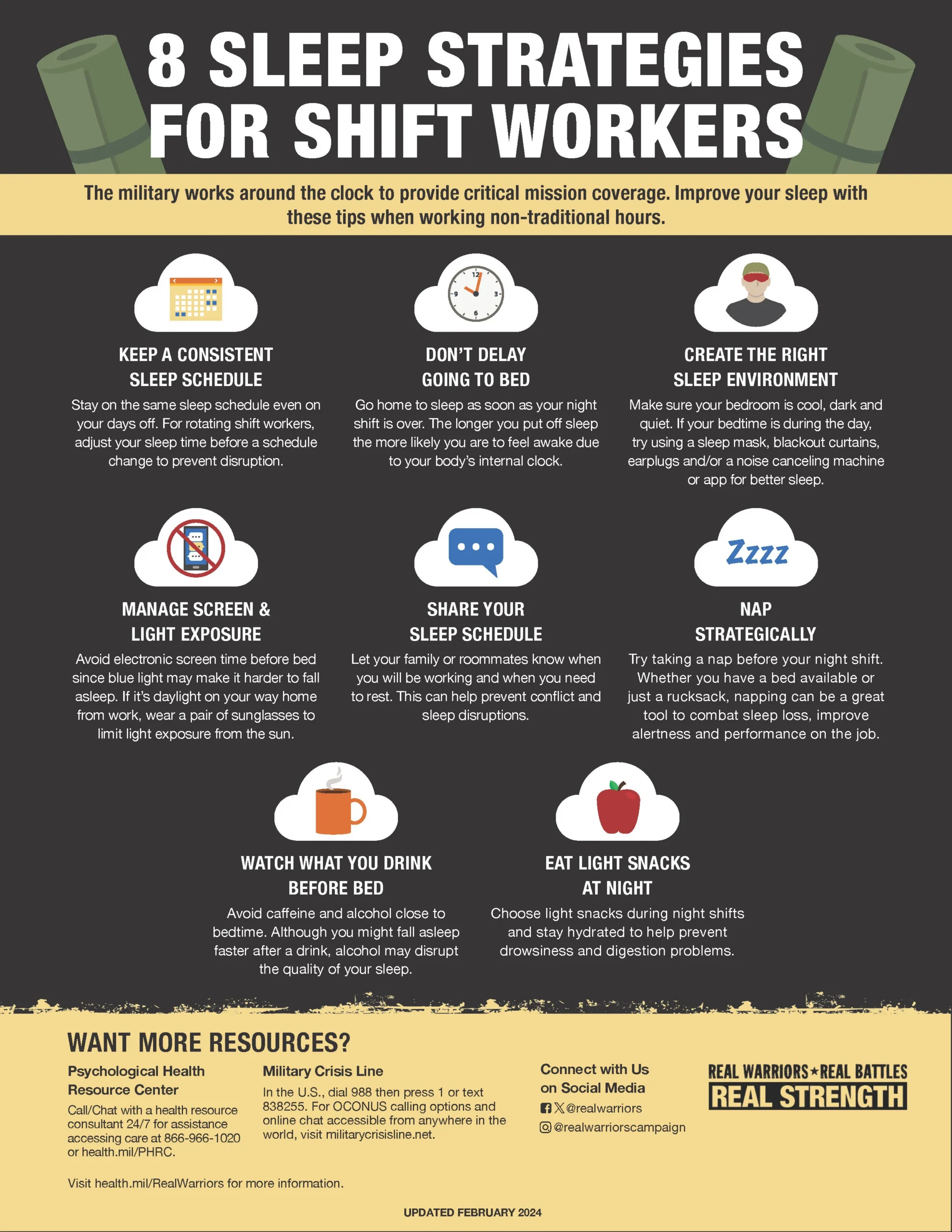
One of the most effective ways to improve sleep while working night shifts is maintaining a regular sleep routine. Going to bed and waking up at consistent times every day, including days off, helps stabilize the body’s internal clock. This consistency signals the body when to prepare for sleep and when to be alert, which can gradually ease the adaptation to night shift hours. It also prevents further disruption caused by erratic sleep patterns on rest days.
Creating a Sleep-Conducive Environment
The right environment can make a significant difference in the ability to fall asleep and stay asleep during daylight hours. Using blackout curtains or eye masks helps to block out sunlight, simulating nighttime conditions. Minimizing noise with earplugs or white noise machines reduces disturbances from household activities or outdoor sounds. Keeping the bedroom cool and comfortable completes this environment, encouraging deeper and uninterrupted sleep.
Diet and Hydration Tips for Night Shift Workers
What and when night shift workers eat can affect their sleep quality. Avoiding caffeine at least four hours before the end of a shift helps prevent overstimulation when trying to rest. Similarly, steering clear of heavy or large meals close to bedtime reduces digestive discomfort that can interrupt sleep. Staying hydrated is important but should be balanced to avoid frequent bathroom trips during sleep. Incorporating light, balanced snacks during breaks can also sustain energy levels without interfering with rest.
Mind-Body Practices to Promote Relaxation and Sleep
Meditation and Deep Breathing Exercises
Calming the mind is key to preparing the body for restful sleep. Meditation practices focused on mindfulness or guided imagery can slow racing thoughts that often accompany shift work stress. Deep breathing techniques, such as diaphragmatic breathing, activate the parasympathetic nervous system, helping reduce anxiety and lower heart rate. These practices can be integrated into a bedtime ritual to ease the transition from wakefulness to sleep.
Progressive Muscle Relaxation and Yoga
Progressive muscle relaxation involves tensing and then releasing different muscle groups systematically, which promotes physical relaxation and eases tension. Yoga, particularly gentle or restorative styles, combines movement with breath control, enhancing flexibility and calming the nervous system. Both techniques encourage relaxation and can improve sleep onset and quality when practiced regularly before rest periods.
Technology and Tools to Support Sleep
Using Light Therapy for Circadian Rhythm Regulation
Light therapy boxes or lamps can help night shift workers adjust their circadian rhythms by delivering bright light exposure at strategic times. For example, exposure to bright light during the night shift or immediately after waking can promote alertness, while avoiding light in the morning helps facilitate daytime sleep. Managing light exposure thoughtfully can help the body better align with unconventional work schedules.
White Noise Machines and Sleep Tracking Devices
White noise machines provide a consistent, soothing background sound that masks disruptive noises, aiding in maintaining uninterrupted sleep. Sleep trackers can monitor sleep patterns to identify issues such as insufficient duration or frequent awakenings. This data can inform adjustments in sleep routines or environments, helping night shift workers optimize their rest based on personal insights rather than guesswork.
Summary: Combining Remedies and Lifestyle for Optimal Sleep
Improving sleep for night shift workers requires a multifaceted approach that blends natural remedies, lifestyle changes, mind-body practices, and supportive technology. Prioritizing consistent sleep schedules, creating a restful environment, and managing light and noise exposure form the foundation. Herbal aids, aromatherapy, and relaxation techniques provide gentle support to facilitate sleep onset and quality. Meanwhile, strategic use of light therapy and sound machines can enhance these efforts. By understanding and addressing the unique challenges posed by night shifts step by step, workers can improve their sleep health and overall well-being in sustainable ways.


