
Introduction to Vegan Italian Pasta Sauces
Understanding Authenticity in Vegan Italian Cooking
Creating authentic vegan Italian pasta sauces requires a deep respect for traditional flavors and methods while thoughtfully substituting animal-based ingredients with plant-based alternatives. Authenticity is not just about replicating classic tastes but embracing the essence of Italian cuisine—simplicity, freshness, and rich, balanced flavors. The challenge lies in preserving the heart of these sauces without dairy, meat, or other animal products, which are staples in traditional Italian cooking. By understanding the nuances of how flavors build and complement each other, you can craft sauces that honor tradition while aligning with vegan principles.
Key Ingredients That Define Traditional Flavors
Italian pasta sauces often rely on high-quality, simple ingredients to deliver their characteristic taste. Olive oil, ripe tomatoes, fresh herbs like basil and oregano, garlic, and onions form the fundamental base of most recipes. These ingredients interact to create layers of flavor—from the sweetness of slow-cooked tomatoes to the aromatic notes of herbs. In vegan adaptations, maintaining this balance is crucial. Without dairy or meat, the correct use of spices, oils, and plant-based stocks becomes essential to replicate the richness and depth found in traditional sauces.
Essential Pantry Staples for Vegan Pasta Sauces
Herbs and Spices to Stock
Building a versatile vegan Italian pantry starts with stocking the right herbs and spices. Dried basil, oregano, thyme, rosemary, and marjoram are indispensable in creating authentic Italian seasoning blends, especially when fresh herbs aren’t available. Chili flakes or red pepper flakes add heat, while garlic powder serves as a convenient substitute if fresh garlic is hard to keep on hand. These seasonings play a significant role in boosting the flavor profile of sauces, ensuring they don’t fall flat without traditional animal-based components.
Plant-Based Alternatives for Classic Ingredients
Replacing traditional dairy and meat ingredients calls for thoughtful vegan alternatives. Olive oil is not just a cooking fat but a flavor enhancer, offering richness and mouthfeel that vegan butter or mild oils like vegetable or canola oil can also provide. Instead of meat-based broth, vegetable or mushroom broth adds umami and depth. Nutritional yeast introduces a cheesy, savory note in sauces like pesto without compromising vegan standards. Utilizing these substitutes correctly helps achieve complexity and satisfaction in the final sauce.
Mastering the Basics: Simple Vegan Pasta Sauces
Classic Tomato Marinara
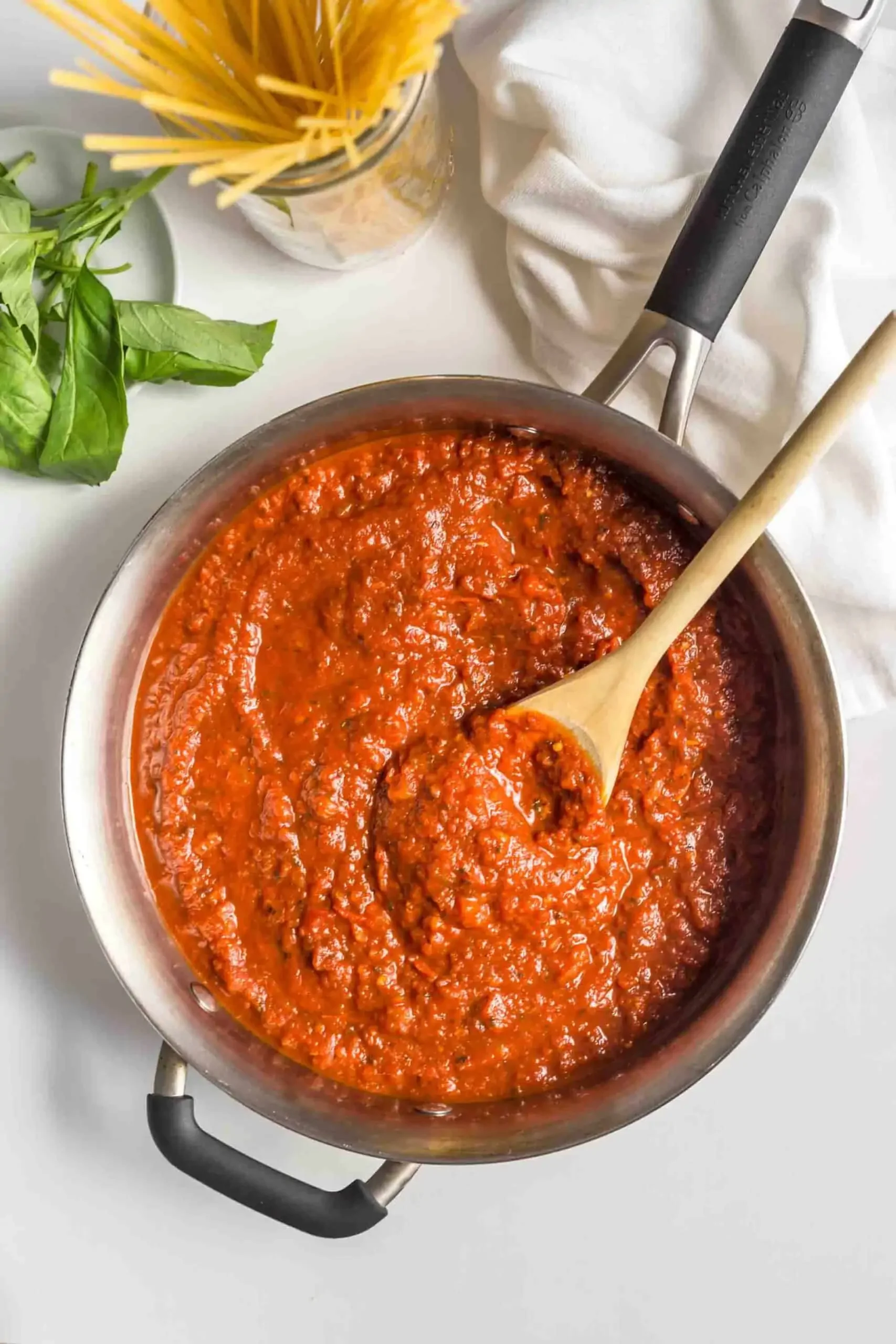
The classic tomato marinara sauce is the foundation for countless pasta dishes but requires attention to a few key steps for authenticity in vegan form. The problem often lies in lackluster flavor and texture due to insufficiently cooked garlic and onions or unbalanced acidity in the tomatoes. By sweating onions and garlic gently in olive oil, you release their sweetness and aroma, creating a flavorful base. Adding fresh or canned tomatoes along with herbs and seasoning, then simmering gently, encourages deep flavor development. Smashing tomatoes and blending the sauce ensures a creamy consistency without dairy.
Roasted Garlic and Olive Oil Sauce
Another simple yet flavorful sauce is roasted garlic with olive oil. The challenge here is preventing the garlic from burning and turning bitter. Slow roasting the garlic softens its pungency and releases sweetness, which infuses the olive oil with subtle complexity. This sauce, while minimalist, pairs beautifully with pasta when the olive oil is good quality and fresh herbs are added just before serving. The natural creaminess from the oil compensates for the absence of dairy, providing comfort in every bite.
From Scratch: Step-by-Step Sauce Preparation
How to Roast and Prepare Tomatoes
Roasting tomatoes intensifies their natural sweetness and concentrates their flavor, but many home cooks skip this step, missing out on a richer sauce. The process involves roasting tomatoes at high heat—around 450°F in an air fryer for 15-20 minutes or 30-35 minutes in a traditional oven—until edges caramelize and darken. Once roasted, smashing the tomatoes before adding them to the sauce helps achieve a creamy texture and deeper body. This technique prevents the sauce from tasting watered down or overly acidic, common pitfalls when only raw or canned tomatoes are used.
Creating a Rich Basil Pesto without Cheese
Traditional pesto relies heavily on Parmesan cheese, which poses a problem for vegan cooks. The solution is using nutritional yeast combined with pine nuts, fresh basil, garlic, lemon juice, and olive oil. Blending these ingredients in a food processor creates a creamy, bright, and flavorful pesto that retains the classic taste without dairy. Adding a splash of water as needed helps achieve a smooth consistency. This vegan pesto preserves the authentic Italian experience while making it accessible for plant-based diets.
Building Flavors Layer by Layer
One common mistake in vegan pasta sauces is adding all ingredients at once or skipping steps like sweating onions and garlic. Building flavors gradually, starting with olive oil and aromatics, then layering spices, herbs, broth, and finally tomatoes, results in more nuanced and balanced sauces. Simmering the sauce uncovered allows excess liquid to evaporate, naturally thickening it without relying excessively on tomato paste. These small but crucial techniques transform a simple sauce into an authentic culinary experience.
Elevating Your Sauces with Regional Italian Influences
Tuscan Inspired Creamy Vegan Alfredo
The typical Alfredo sauce is rich because of heavy cream and butter, making it problematic for vegans. To overcome this, a Tuscan-inspired creamy sauce can be made using blended cashews, garlic, vegetable broth, and nutritional yeast. Softening cashews by boiling them before blending yields a smooth, creamy texture that mimics dairy. Sautéed mushrooms and fresh parsley add depth and authenticity. This regional twist not only respects Italian culinary tradition but also offers a luxurious plant-based alternative.
Sicilian Caponata as a Pasta Topping
Sicilian caponata, a sweet and tangy eggplant relish, offers a flavorful alternative to classic tomato-based sauces. Incorporating diced sautéed eggplants, celery, olives, and capers with vinegar and a bit of sugar balances acidity and sweetness—an essential challenge in vegan cooking. Using this as a topping for pasta adds texture and bold flavor, showcasing how regional Italian dishes can inspire creative vegan pasta preparations beyond the typical sauce formats.
Pairing Vegan Sauces with the Perfect Pasta
Matching Sauce Textures and Pasta Shapes
Choosing the right pasta shape to complement your sauce is key to an enjoyable dish. Thicker, creamier sauces like vegan Alfredo cling well to fettuccine or pappardelle, while lighter tomato sauces work beautifully with spaghetti or angel hair. Chunky sauces benefit from pasta with ridges or grooves such as rigatoni or penne, which help trap the sauce. Understanding these pairings enhances the dining experience and prevents the common issue of sauce sliding off noodles, leading to a more harmonious meal.
Gluten-Free and Whole Grain Pasta Options
For those who are gluten intolerant or seeking healthier alternatives, gluten-free or whole grain pasta options are widely available. These can be paired effectively with vegan sauces without sacrificing flavor or texture, although cooking times and water absorption may vary. Using these alternatives ensures inclusivity while promoting balanced nutrition in your meals. Careful cooking and tasting can help avoid mistakes like overcooking or under-seasoning that sometimes occur with specialty pastas.
Tips and Tricks for Sauce Perfection Every Time
Adjusting Acidity and Sweetness in Sauces
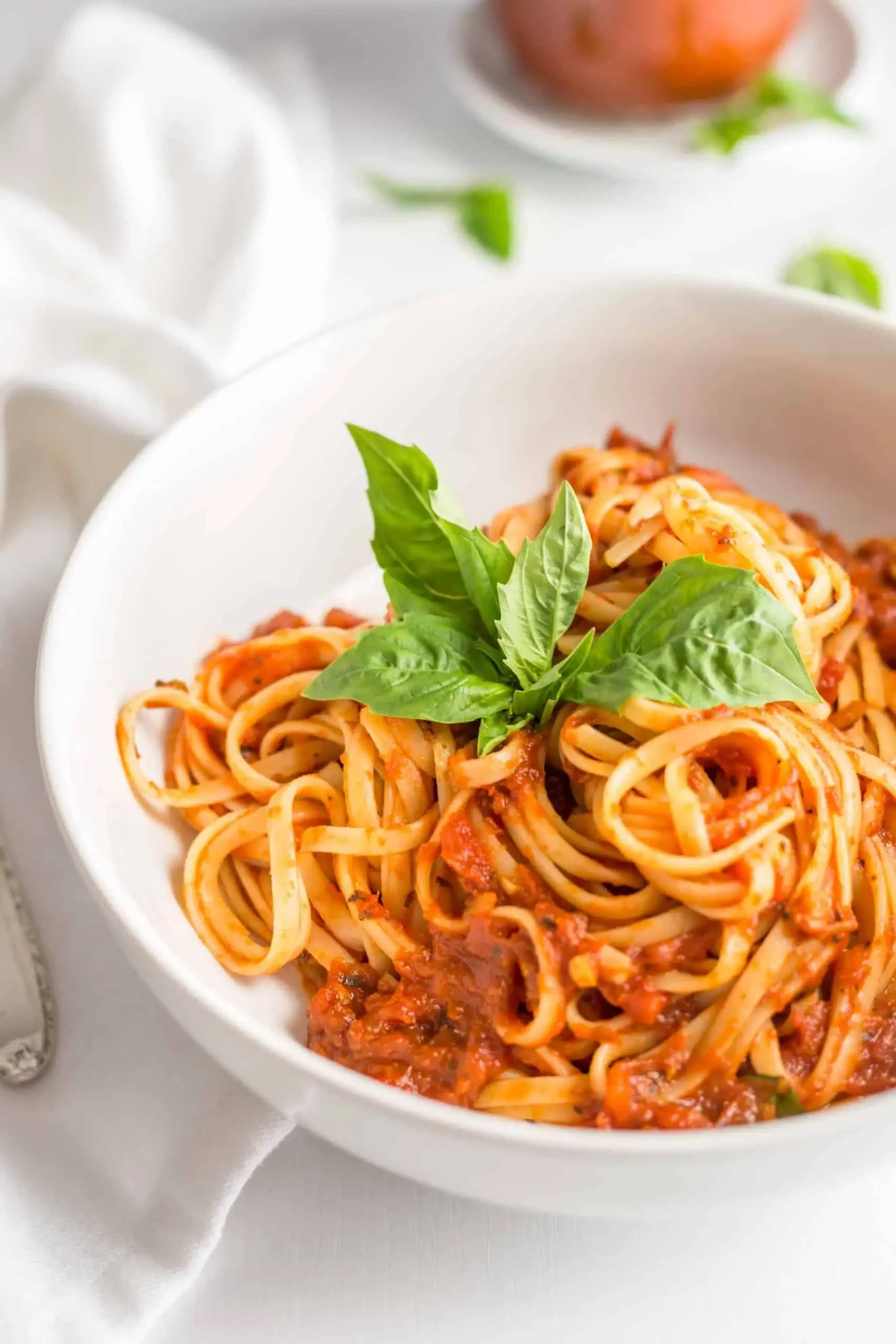
Balancing acidity and sweetness is a common stumbling block in vegan pasta sauces, especially tomato-based ones. The natural acidity in tomatoes can overpower the dish if not moderated. Adding a small amount of sugar, honey, or maple syrup can smooth harsh edges, creating harmony. Red wine vinegar or a touch of soy sauce adds umami depth while maintaining brightness. These adjustments should be made gradually, tasting frequently to avoid over-sweetening or excessive tanginess.
Maintaining a Creamy Texture without Dairy
Creating creaminess without butter or cream requires technique and ingredient choice. Using blended nuts like cashews or plant-based butter alternatives adds richness but requires attention to avoid overly heavy sauces. Incorporating pasta cooking water introduces starches that naturally thicken the sauce and improve adhesion. Adding vegan butter at the final stage can enhance texture and mouthfeel. Gentle blending helps achieve a smooth consistency without compromising the sauce’s flavor or appearance.
Conclusion: Bringing the Taste of Italy into Your Vegan Kitchen
Making authentic vegan Italian pasta sauces at home is both achievable and rewarding when you understand the balance between tradition and innovation. By carefully selecting ingredients, mastering foundational cooking techniques, and creatively adapting classic recipes, you can enjoy rich, flavorful sauces that celebrate Italy’s culinary heritage in a plant-based way. Whether it’s a simple marinara or an indulgent Tuscan-inspired Alfredo, bringing these sauces into your vegan kitchen elevates everyday meals and keeps the spirit of Italian cooking alive without compromise.


