
Understanding the Importance of a Balanced Meal Plan for Busy Professionals
The Link Between Nutrition and Energy Levels
A balanced meal plan plays a crucial role in maintaining consistent energy levels throughout the day. Nutrition provides the body with essential macronutrients—proteins, fats, and carbohydrates—and micronutrients such as vitamins and minerals. These substances work together to fuel cellular processes, regulate metabolism, and support brain function, all of which are necessary for sustaining energy. Without proper nutrition, busy professionals may experience fatigue, poor concentration, and decreased productivity. Ensuring that meals are well-rounded and nutrient-dense helps optimize energy production and prevents energy dips that can disrupt demanding workdays.
Challenges Faced by Busy Professionals in Maintaining Healthy Eating Habits
Busy professionals often juggle tight schedules, long working hours, and high stress, making it difficult to prioritize healthy eating. Time constraints can lead to skipping meals, relying on quick, processed foods, or irregular eating patterns that impair nutrient absorption and energy metabolism. Additionally, stress and fatigue may reduce the motivation to prepare balanced meals, encouraging unhealthy snacking or overeating of convenience foods. Understanding these common barriers is the first step to designing a meal plan that fits lifestyle demands without sacrificing nutrition or energy support.
Step-by-Step Guide to Crafting Your Weekly Meal Plan
Assessing Your Weekly Schedule and Nutritional Needs
Start by reviewing your upcoming week’s commitments to identify busy days, meetings, exercise routines, and downtime. This assessment helps determine when you have time for meal prep and when grab-and-go options are necessary. Next, consider your individual nutritional needs based on activity level, body weight, and any specific health concerns. Adequate calorie intake and balanced macronutrient distribution must align with your energy demands to prevent fatigue. Consulting nutrition guidelines or a professional can further personalize your plan.
Choosing Energy-Boosting Foods for Each Meal
Focus on selecting foods that sustainably enhance energy. Incorporate complex carbohydrates, such as whole grains and legumes, which provide slow-releasing fuel. Include lean proteins like poultry, fish, or plant-based alternatives to support muscle repair and satiety. Healthy fats from nuts, seeds, and avocados assist with brain function and hormone regulation. Additionally, prioritize foods rich in vitamin B12, iron, magnesium, and vitamin C, as deficiencies in these nutrients are linked to low energy levels. By building every meal around these components, your body receives ongoing nourishment essential for maintaining vitality.
Incorporating Variety Without Overwhelming Preparation
Variety is important not only for nutritional completeness but also to prevent meal fatigue. To keep preparation manageable, focus on versatile ingredients that can be used across multiple meals. For example, a batch of roasted vegetables can complement lunches and dinners several days in a row. Alternate between different protein sources and experiment with seasonal produce to keep flavors interesting. Planning simple recipes that share common ingredients reduces cooking time and grocery complexity, making it easier to stick with your meal plan consistently.
Smart Tips for Efficient Meal Prep and Time Management
Batch Cooking and Frozen Food Strategies
Batch cooking is an effective way to save time and ensure healthy meals are readily available. Set aside a few hours once or twice a week to prepare large portions of staples such as grains, proteins, and cooked vegetables. Portion these into containers for quick access during busy days. Frozen foods can also be a nourishing option when selected carefully—frozen fruits and vegetables retain most nutrients and allow for quick meal assembly. Incorporating these strategies reduces daily stress around meal preparation and minimizes reliance on processed convenience foods.
Using Technology: Apps and Tools for Streamlining Your Plan
Modern technology offers numerous resources that simplify meal planning and execution. Smartphone apps can provide personalized meal ideas based on dietary preferences, generate grocery lists, and even track nutritional intake to make adjustments as needed. Time management tools and calendar reminders help schedule cooking sessions and grocery shopping efficiently. Some platforms also allow integration with grocery delivery services, reducing the time spent on errands. Leveraging these digital aids provides structure and motivation, ensuring your meal plan is both practical and sustainable.
Sample Balanced Weekly Meal Plan for Busy Professionals
Breakfast, Lunch, Dinner, and Snack Ideas
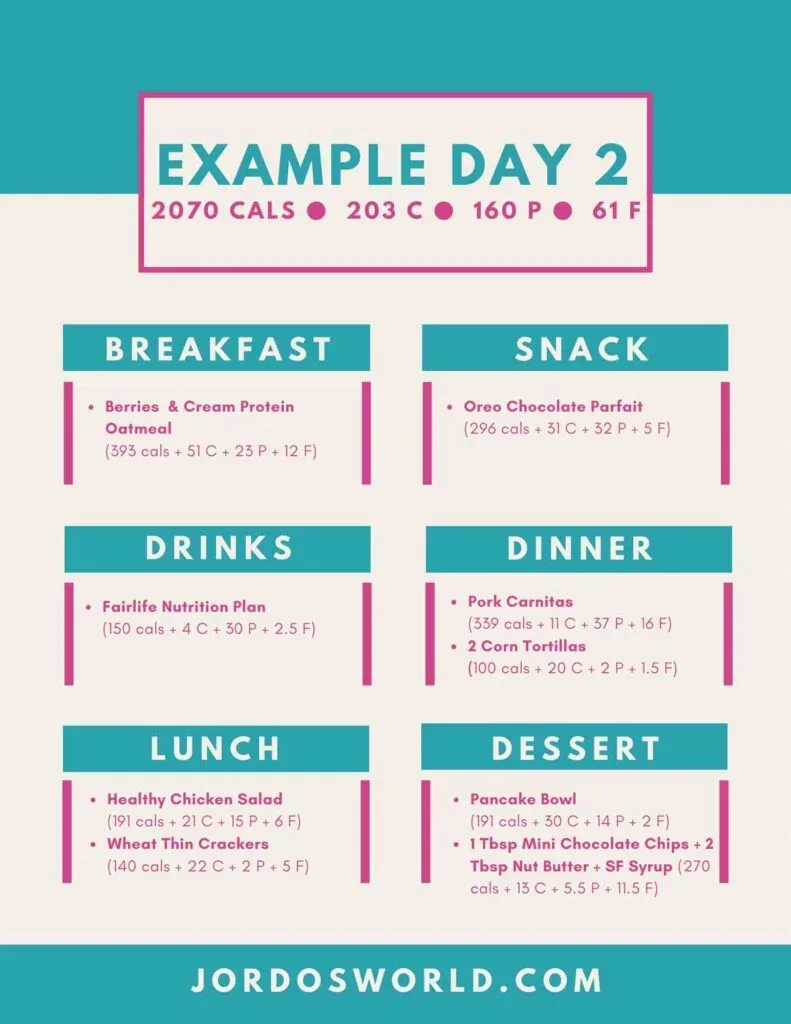
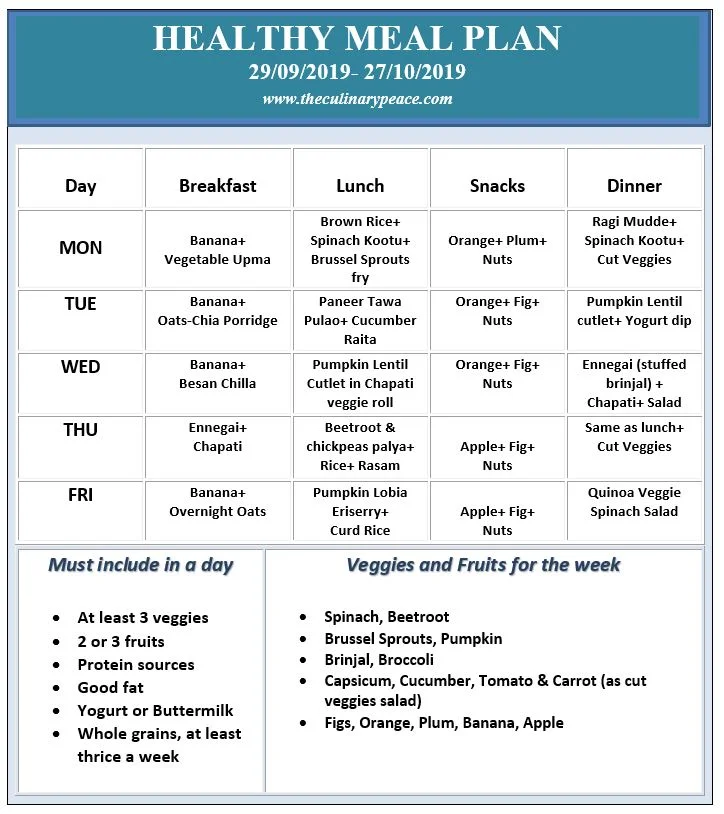
A balanced weekly meal plan might begin each day with a nutrient-rich breakfast such as oatmeal topped with nuts and fresh fruit, providing slow-release carbohydrates and essential vitamins. For lunch, consider a quinoa salad with mixed greens, chickpeas, and a lemon-tahini dressing to combine protein and vitamin C sources. Dinner could include grilled salmon paired with roasted sweet potatoes and steamed broccoli for a meal rich in omega-3 fatty acids, iron, and magnesium. Snack options should focus on portable, nutrient-packed foods like yogurt with seeds or a small portion of trail mix, helping to maintain energy between meals without causing spikes or crashes.
Adjusting the Plan According to Dietary Preferences and Restrictions
Customizing the meal plan to meet individual needs is key for adherence and enjoyment. For vegetarians or vegans, swap animal proteins with legumes, tofu, or tempeh and select fortified plant-based dairy alternatives to maintain vitamin B12 intake. Those with gluten intolerance can choose gluten-free grains such as rice, quinoa, or millet. Monitoring how your body responds to different foods and adjusting portion sizes, meal timing, and ingredients ensures the plan remains effective and enjoyable despite dietary constraints.
Maintaining Consistency and Staying Motivated
Tracking Progress and Energy Improvements
Maintaining motivation comes from recognizing the positive impact of your meal plan on daily energy levels and overall well-being. Track your energy fluctuations throughout the day, noting any improvements in focus, endurance, or mood since starting your plan. Using journals or apps for this purpose allows you to correlate food choices with physical and mental performance. Celebrating small successes encourages continued adherence and highlights areas that might require tweaking for optimal results.
Adapting the Plan for Changing Schedules and Goals
Life is dynamic, and your meal plan must be flexible enough to accommodate shifts in workload, exercise routines, or personal goals. Regularly revisit your schedule and nutritional status to update the plan accordingly. For instance, if an intense work period reduces time for cooking, increase reliance on batch-cooked meals or healthy frozen options. Alternatively, if new fitness goals emerge, adjust macronutrient ratios to support increased physical demand. This adaptability ensures your meal plan remains a valuable tool for sustaining energy and health over time.


