
Understanding Fabric Pilling: What Happens to Your Knitwear
The Science Behind Pilling Formation
Imagine pulling on your favorite wool jumper only to notice tiny balls of fuzz forming on the surface. This phenomenon, known as fabric pilling, occurs when short or broken fibres within the knitwear become tangled due to friction and abrasion. As you move throughout your day—whether brushing against office furniture or carrying a shoulder bag—the loose fibers rub together, twist, and form small balls called pills. Over time, these pills grow and accumulate, diminishing the garment’s appearance and softness.
Common Fabrics Prone to Pilling
Pilling isn’t limited to just one type of fabric. Knitwear crafted from natural fibers like wool, cashmere, and cotton are often more susceptible due to the shorter fiber lengths and softer textures. Synthetic blends, such as polyester mixed with wool, also pill, primarily because synthetic fibers tend to be stronger and break the natural fibers during wear. For instance, a cotton/polyester jumper might pill more on the polyester sections, especially where the fabric experiences frequent abrasion such as under the arms or along the sides.
Key Signs to Identify Early Stages of Pilling
Visual Indicators: What to Look For
Spotting pilling early can save your knitwear from extensive damage. Look closely at areas that often experience friction—like the elbows, underarm regions, and where bags or straps might rest. In these spots, you might see small fuzz balls beginning to form, sometimes no larger than a grain of rice. Initially, pills are subtle and blend into the fabric, but if ignored, they quickly become more noticeable and harder to remove.
Touch and Feel: Detecting Fabric Changes
Beyond what you can see, your fingertips can reveal the onset of pilling. Running your hand over your knitwear, you might feel a slight roughness or unevenness where the pills have developed. The fabric might lose its original smooth texture and softness, feeling coarser or bumpier. This tactile change is often the first warning sign that your garment is beginning to pill and needs attention.
Everyday Habits That Cause Knitwear to Pill
Washing and Drying Mistakes
Susan loved her hand-knit jumper but noticed it started pilling after just a few washes. The culprit? Washing it inside out with a strong detergent and then tossing it in the tumble dryer. This common mistake exposes the fibers to excessive agitation and heat, loosening and breaking them down faster. Similarly, mixing a delicate knit jumper with robust items like denim or towels in the washing machine creates friction that accelerates pilling. Overusing fabric softener might seem like a good idea to keep sweaters soft, but it actually softens fibers excessively, making them more prone to fuzz ball formation.
Wearing and Storage Factors
Mike’s experience highlights how everyday wear can influence pilling. He frequently wore a rough denim jacket over his merino wool sweater. The constant abrasion between the two fabrics led to visible pilling on the sweater’s shoulders and sleeves. On the storage side, stuffing knitwear into crowded hangers caused unnecessary stretching and rubbing. It’s better to fold sweaters gently and place them in drawers or on shelves where they won’t be compressed or rubbed against other garments.
Proactive Techniques to Prevent Fabric Pilling
Choosing the Right Laundry Products
Prevention starts at the wash. Always select a mild detergent specifically formulated for wool and delicate fabrics. For example, using a gentle wool detergent on a delicate cycle with cold water helps maintain the integrity of the fibers while minimizing agitation. Using a laundry bag or turning a jumper inside out before machine washing reduces direct friction on the surface. Avoid fabric softeners as they weaken the fibers over time, increasing the risk of pilling.
Proper Care and Handling Tips for Knitwear
Hand washing knitwear with mild detergent is an excellent way to prolong its life. After washing, avoid the temptation to use a tumble dryer—instead, dry the garment flat on a clean towel or drying rack to maintain its shape and reduce fiber stress. Allow jumpers to rest between wears; this reduces the frequency of washing and helps the fabric regain its structure. When storing, fold knitwear neatly in drawers or use soft garment bags if hanging. Choosing smoother outer layers like lined coats or soft jackets also prevents excess friction on delicate knits.
DIY and Professional Solutions to Remove Pills
Using Fabric Shavers and Combs
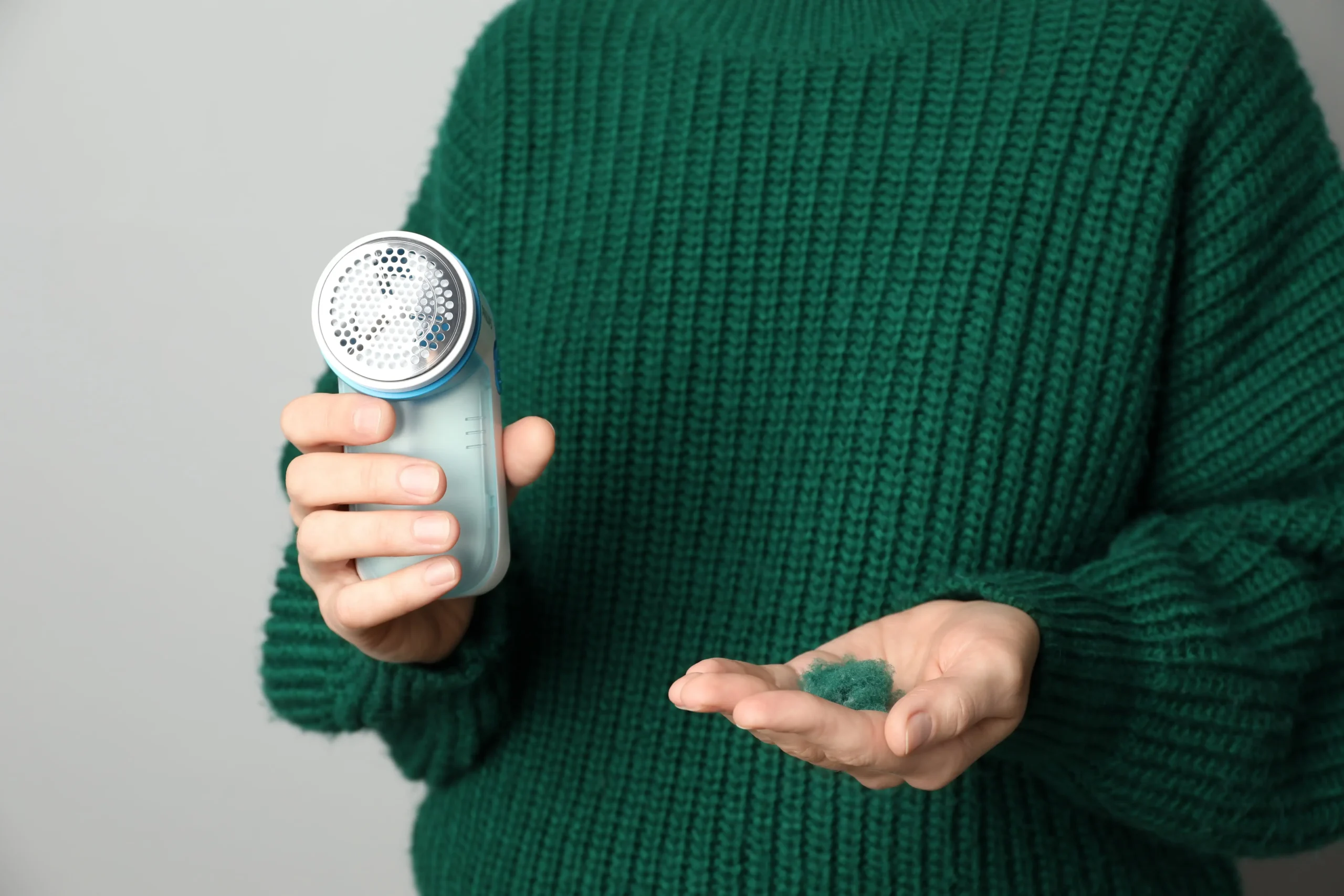
When pills do appear, a knitwear de-pilling comb or an electric fabric shaver can restore your favorite garment’s smooth look. Emma found that gently running a fabric shaver in one direction removed pills without damaging her cashmere sweater. However, overuse can lead to thinning or holes, so it’s crucial to treat knitwear with care and avoid aggressive or repeated shaver use. Always test on a small inconspicuous area first.
When to Seek Professional Cleaning Services
For valuable or heavily pilled knitwear, professional cleaning might be the best option. Expert cleaners have specialized equipment and treatments that can minimize pilling and revive fibers without causing damage. For instance, Alan Paine sweaters, known for their high-quality yarns and careful treatment, often benefit from professional service to maintain their durability and appearance over time.
Long-Term Knitwear Maintenance Strategies
Rotation and Usage Best Practices
To prevent premature pilling, consider rotating your knitwear regularly instead of wearing the same jumper repeatedly. This reduces continuous stress on specific areas of the fabric and allows fibers to recover between wears. Take note of the times and places your knitwear is exposed to abrasive surfaces—adjusting outerwear choices accordingly can make a significant difference.
Investing in Pilling-Resistant Fabrics
All knitwear is not created equal. Sweaters made from longer fibers and higher twist yarns are naturally more resistant to pilling. Alan Paine, for example, produces knitwear renowned for its durability and reduced pilling, thanks to carefully selected fibers and specialized manufacturing techniques. When buying new jumpers, look for these qualities. The initial investment can save you time and disappointment, keeping your garments looking newer for longer.


