
Understanding Pest Challenges in Organic Vegetable Gardens
Identifying the Most Common Garden Pests
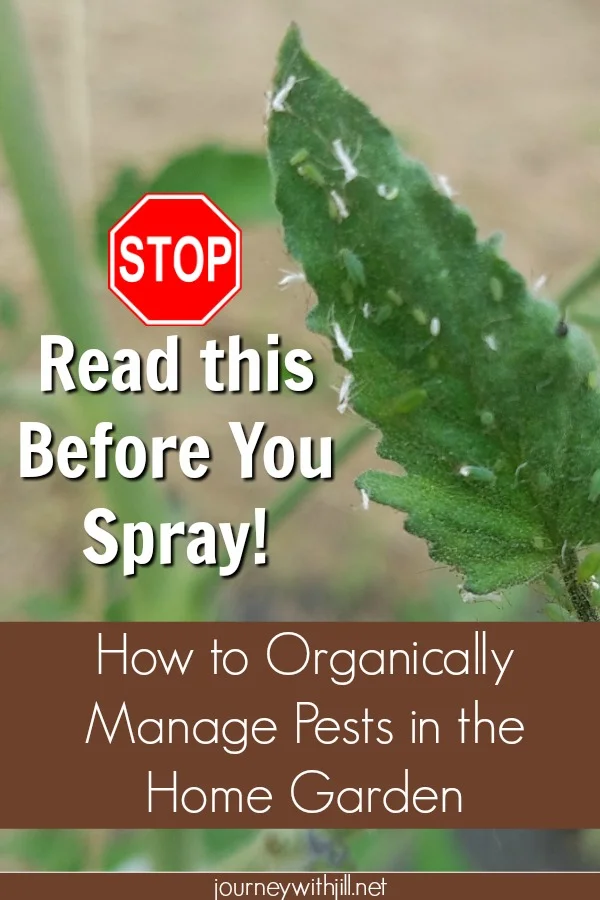
Walking through a thriving organic garden, you might notice tiny green aphids clustered on tender stems or find cabbage moth worms munching away on your kale leaves. These common pests, including pillbugs, leaf miners, and even curious squirrels or deer, frequently invade vegetable gardens. Each pest has its preferred plant and method of attack, making it important to recognize them early. For example, aphids often appear as tiny clusters on new growth, sucking sap and weakening plants. Squirrels might dig up freshly planted seeds, while deer nibble on leafy vegetables if left unprotected. Knowing these common pests and their habits helps gardeners tailor prevention efforts effectively.
Why Organic Gardens Are Especially Vulnerable
Organic gardens rely on natural methods and avoid synthetic chemicals, which is beneficial for health and the environment but can also make plants more susceptible to pests. Because these gardens support rich ecosystems, they attract a variety of insects and wildlife, some beneficial and some harmful. Without chemical pesticides, pests like aphids and cabbage moths can multiply if left unchecked. Additionally, planting a monoculture, such as an entire bed of just one vegetable, can create an irresistible buffet for pests. Young seedlings are particularly vulnerable since they lack the defense mechanisms of mature plants. The balance in an organic garden requires careful management to prevent pest outbreaks without undermining the ecosystem.
Natural Pest Prevention Techniques
Companion Planting Strategies to Deter Pests
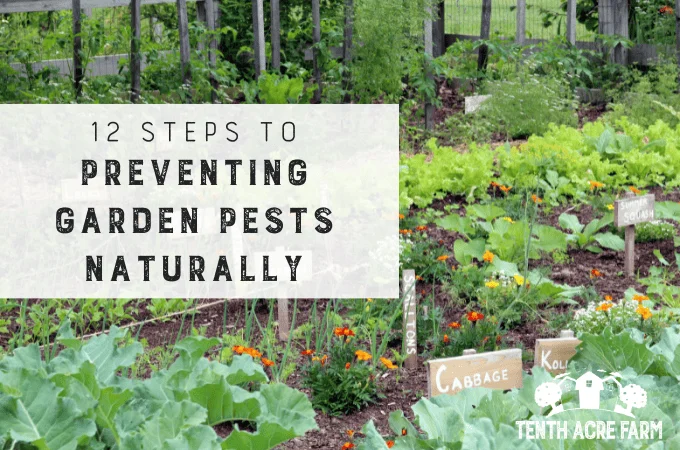
One practical approach is companion planting, where growers mix different species in the same bed to confuse or repel pests. For instance, planting garlic or onions near carrots can deter carrot flies, while fragrant herbs like basil and chives may ward off aphids and attract beneficial insects. A gardener once found that adding sweet alyssum around tomato plants noticeably reduced whitefly presence. This layered planting not only discourages pests but also supports soil health and biodiversity, creating a more resilient garden environment that reduces the need for interventions.
Using Beneficial Insects for Biological Control
Inviting nature’s own pest controllers is another effective strategy. Ladybugs, lacewings, and hoverflies prey on aphids and other soft-bodied insects, naturally reducing pest pressure. Encouraging these allies involves planting nectar- and pollen-rich flowers alongside vegetables. A gardener may recall how, after planting marigolds and daisies, ladybugs appeared in quantities sufficient to keep aphid colonies under control. This biological control method maintains ecological balance, ensuring pests never reach damaging levels while limiting the gardener’s workload.
Soil and Garden Maintenance for Pest Resistance
Importance of Healthy Soil in Pest Management
Healthy soil produces vigorous plants that are better equipped to withstand pests. Incorporating natural fertilizers like compost and well-rotted manure improves soil structure and nutrient content. One gardener shared how after switching to organic compost, their tomato plants developed stronger leaves and required fewer pest interventions. Good soil preparation also promotes beneficial microorganisms that help suppress soil-borne pests and diseases, creating an environment where plants thrive and resist attack.
Crop Rotation and Its Role in Pest Prevention
Rotating crops seasonally is a time-tested method to disrupt pest life cycles. For example, planting legumes in one bed followed by leafy greens the next season prevents pests that specialize in a particular crop from establishing themselves year after year. A community garden manager reported that after implementing crop rotation, problems with root maggots and cabbage worms decreased significantly over two years. This simple practice reduces the buildup of pest populations and helps maintain long-term garden health.
DIY Organic Remedies for Pest Control
Homemade Sprays and Repellents
When pests appear, many gardeners turn to homemade remedies before reaching for chemical sprays. Soap sprays, neem oil, and garlic infusions offer gentle yet effective control without harming beneficial insects or soil life. One urban gardener described mixing a mild soap spray to manage aphids on her basil, resulting in fewer pests and no damage to pollinators. These remedies can be applied carefully after scouting to minimize unnecessary spraying.
Physical Barriers and Traps You Can Use
Physical barriers such as hardware cloth cages, deer fences, or agfabric mesh provide direct protection. For example, a gardener in a deer-prone area found that installing a sturdy wire cage around young vegetable beds allowed plants to grow unbothered. Agfabric mesh, secured at planting and lifted during the day to let pollinators in, can shield seedlings from many insects and wildlife. Additionally, handpicking larger pests like caterpillars during daily garden checks remains a simple, effective control method.
Monitoring and Early Detection of Pest Infestations
Regular Garden Inspection Techniques
Early detection is crucial; walking your garden daily during harvest to inspect plants can prevent major infestations. A gardener once caught aphid populations when they were small by routinely examining new growth and acting immediately. Using a magnifying glass to spot tiny eggs or larvae can help catch problems before they spread. Maintaining a garden journal to record pest sightings and treatments also aids in long-term management planning.
Signs of Early Pest Damage to Watch For
Pest damage often begins subtly, such as tiny holes in leaves, yellowing, curling foliage, or sticky residues left by insects sucking plant juices. For example, early spotting of powdery mildew—a fungal disease starting as white powdery spots on leaves—can trigger prompt organic treatments that prevent spread. Being familiar with these subtle signs allows gardeners to intervene with minimal disruption, protecting their harvest while respecting the organic balance.
When to Seek Professional Help
Recognizing Severe Infestation Problems
Sometimes, despite best efforts, pest populations surge beyond manageable levels, threatening the garden’s survival. Heavy infestations characterized by widespread leaf damage, plant death, or rapid pest population explosions may require expert intervention. If repeated organic solutions fail to bring relief, or if unfamiliar pests appear in large numbers, consulting a professional becomes necessary. Early professional advice can prevent total crop loss and help tailor sustainable solutions.
Eco-Friendly Pest Control Services
Many pest control companies now offer eco-friendly or organic-approved treatments. These services combine advanced monitoring with integrated pest management principles, ensuring minimal impact on beneficial insects and soil health. Gardeners seeking extra support can find professionals who respect organic methods, using mild bio-pesticides and physical controls as needed. This collaboration often restores balance efficiently, allowing the gardener to maintain organic standards while resolving critical pest issues.


