
Understanding the Basics of Cooking Rice and Pasta
Different Types of Rice and Their Cooking Needs
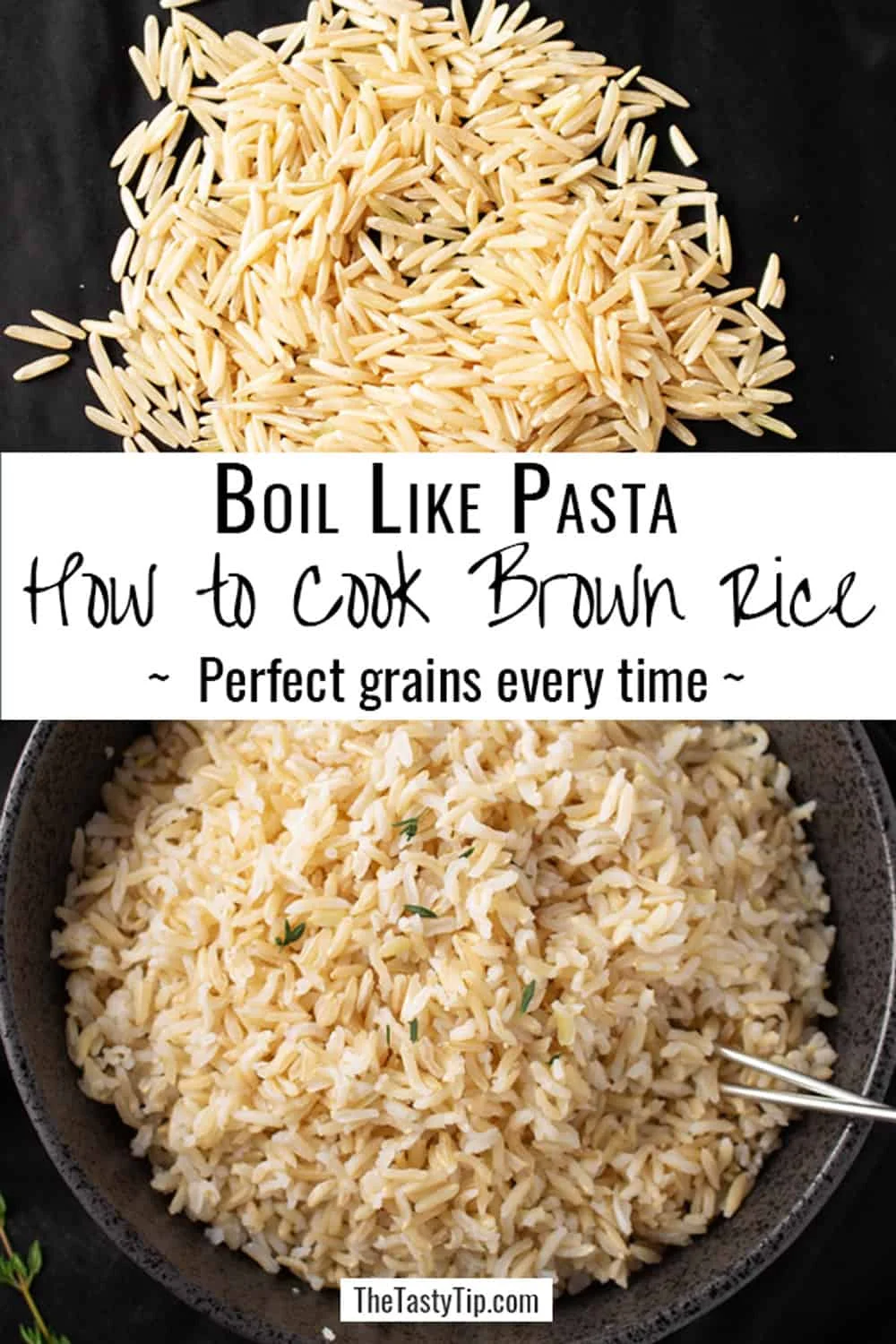
Rice comes in many varieties, each with unique characteristics affecting cooking times and water ratios. Jasmine rice, known for its fragrant aroma and soft texture, cooks relatively quickly and requires about three times its volume in water. Brown rice, by contrast, has a chewy texture and a bran layer that needs longer cooking and more water. Using the same method for all types can lead to undercooking or mushy results. Understanding these differences helps ensure the ideal texture every time.
Varieties of Pasta and How They Affect Cooking Times
Pasta shapes and thickness influence cooking duration. Thin pastas like angel hair cook rapidly, often in just 2-3 minutes, while thicker varieties such as rigatoni or lasagna sheets need longer. Fresh pasta requires less cooking time than dried. Recognizing these differences and following package instructions or testing for doneness by tasting are key to achieving the coveted al dente texture that balances firmness and tenderness.
Essential Kitchen Tools for Perfect Results
The Best Pots and Pans for Rice and Pasta
A heavy-bottomed pot with a tight-fitting lid is essential for cooking rice evenly without burning. The weight helps distribute heat gently, while the lid traps steam to finish the cooking process. For pasta, a large pot ensures ample space for noodles to move freely, preventing sticking and uneven cooking. Using the right size pot also aids in maintaining proper water ratios and boil consistency.
Utensils That Make Cooking and Draining Easier
Having the right utensils simplifies preparation. A sturdy colander or sieve aids in draining pasta and rice without losing grains. A wooden spoon or silicone spatula helps stir rice gently to prevent breaking grains, while tongs are useful for managing pasta strands. Using tools designed for these tasks ensures gentle handling and maintains the integrity of both rice and pasta.
Step-by-Step Guide to Cooking Perfect Rice
Measuring Rice and Water Accurately
Accurate measurements are fundamental to perfect rice. A key tip is to use at least three parts water for every one part of Jasmine rice. For example, 2 cups of rice should have around 6 cups of boiling water added before cooking. This ensures the rice absorbs enough moisture without becoming gummy or mushy. While exact measurement is helpful, ensuring a generous water ratio is more critical.
Choosing the Right Heat and Cooking Time
Bring water to a rolling boil before adding rice; this jump-starts the cooking process. After adding the rice, reduce heat to low, cover tightly, and let it simmer gently for 10 minutes. Avoid stirring or lifting the lid, as this can release steam and affect cooking. After the allotted time, remove the pot from heat and allow it to sit covered for at least 5 minutes. This resting period lets the steam finish cooking the grains evenly.
Tips for Fluffing and Serving Rice
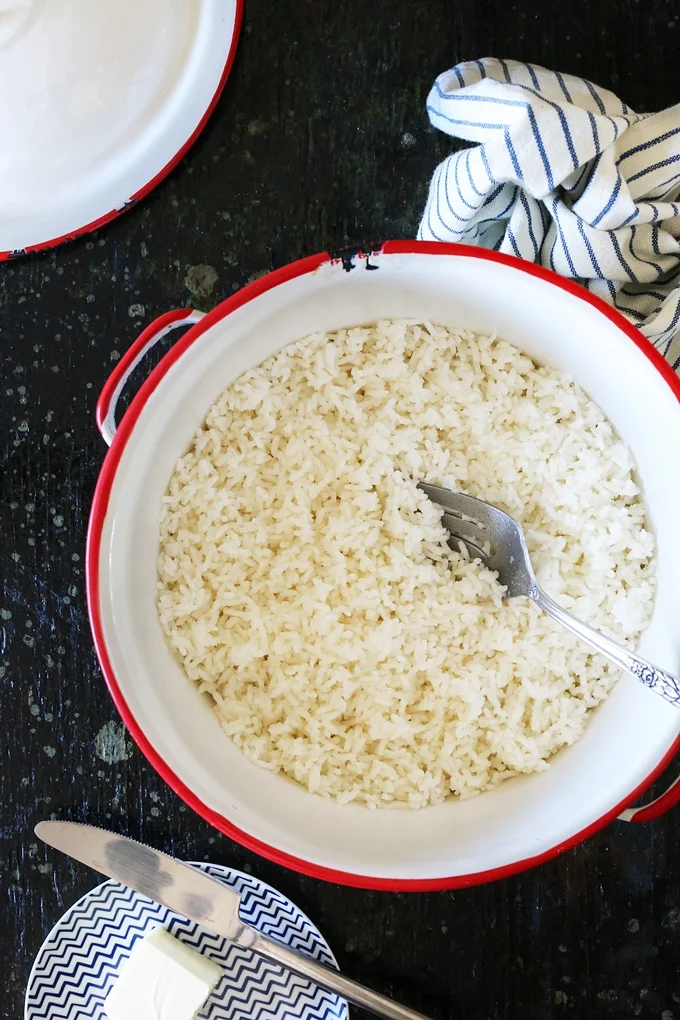
Once rested, fluff rice gently with a fork to separate grains and release trapped steam. Avoid using a spoon that could mash the rice. Letting the rice cool slightly can improve texture and flavor. Storing cooked rice in the refrigerator is convenient for meal prep and can be quickly reheated in the microwave for subsequent meals, preserving the quality of the grains.
Mastering Pasta Cooking Techniques
Salting Water for Flavor Enhancement
Adding salt to boiling pasta water seasons the pasta internally, enhancing flavor beyond just the sauce. A good rule of thumb is about 1-2 tablespoons of salt per gallon of water. The water should taste slightly salty but not overpowering. Salting at the start ensures even seasoning and improves the pasta’s natural taste.
Timing and Testing Pasta for Al Dente Texture
Cooking pasta to al dente means it is firm but not hard. Follow package directions as a baseline, but begin tasting a minute or two before the recommended time. The ideal bite is tender with slight resistance. Overcooked pasta becomes mushy and less enjoyable. Removing pasta from water just before fully cooked ensures the best texture once mixed with sauce.
Draining and Rinsing: When and How
Drain pasta using a colander promptly to stop cooking. Generally, rinsing pasta after draining is not necessary, as it removes surface starch that helps sauce adhere. However, rinsing may be suitable for pasta salads to cool noodles quickly or remove excess starch for specific recipes. Always consider the dish before deciding to rinse.
Common Mistakes and How to Avoid Them
Overcooking and Undercooking Issues
One common error is cooking rice or pasta too long or too briefly. Using the same cook time for different rice varieties, such as applying Jasmine cooking time to brown rice, often leads to undercooked grains. Similarly, stirring rice during cooking or removing the cover too early releases steam and causes uneven texture. For pasta, ignoring the al dente test results in undesirable softness.
Water Ratio Miscalculations
Insufficient water is a frequent mistake when cooking rice, causing it to burn or undercook. It’s crucial to use a water volume significantly higher than rice—generally three times the rice amount. For pasta, adequate water volume prevents clumping and promotes even cooking. Using a large pot for pasta and boiling water before adding rice ensures optimal results.
Creative Tips for Flavorful Rice and Pasta Dishes
Incorporating Broths and Spices During Cooking
Enhance the flavor of rice and pasta by cooking them in broth instead of water. This simple swap adds depth and richness. Adding spices such as bay leaves, garlic, or cinnamon sticks during cooking infuses subtle aroma and interest. Toasting rice lightly before boiling can also introduce a nutty dimension, elevating the dish’s profile.
Using Pasta Water to Enhance Sauces
Reserving some pasta cooking water before draining is a secret weapon for sauce preparation. This starchy water binds sauces and pasta together, creating a silky texture. Adding small amounts gradually while mixing helps achieve consistency without watering down flavors. Incorporating pasta water can transform a simple sauce into a cohesive, delicious meal component.


