
Introduction to Programmable Thermostats and Their Benefits
If you’re still relying on an old or manual thermostat, you might be missing out on significant energy savings and enhanced home comfort. Programmable thermostats offer a convenient way to control your HVAC system by setting specific temperature schedules throughout the day. This not only reduces energy waste but also ensures that your home is comfortable exactly when you need it to be.
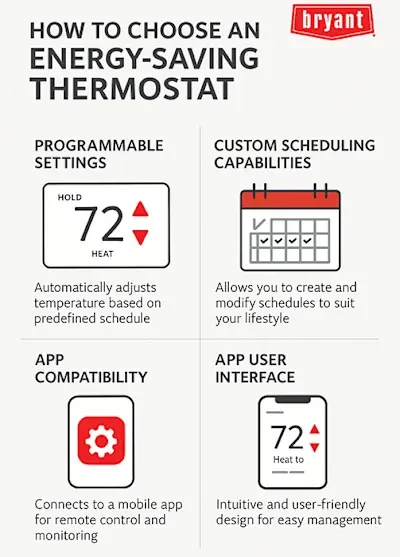
By automatically adjusting your heating and cooling based on your lifestyle, these thermostats can cut down your utility bills without any extra effort on your part. Plus, they reduce the environmental impact by lowering unnecessary energy consumption. Installing one is a simple upgrade that pays off quickly.
Tools and Materials Needed for Installation
Before diving into the installation process, gather the right tools to make the job smooth and safe. You’ll want a screwdriver for removing and securing screws, a wire stripper to prepare wires if needed, and a drill in case you have to make new holes for mounting. A pencil helps mark your placement, while a level ensures your thermostat won’t be crooked on the wall.

Wire labels can be extremely helpful to keep track of which wire connects where, avoiding confusion later. Don’t forget to have your new programmable thermostat ready, along with any included mounting brackets and installation instructions, for easy reference during the process.
Preparation Before Installing Your Programmable Thermostat
Turning Off Power to Your HVAC System
Safety always comes first when working with electrical devices. One of the most critical steps is to completely turn off power to your HVAC system. Locate the circuit breaker controlling your heating and cooling unit and switch it off. This prevents any risk of electrical shock while you’re handling wires and ensures that the old thermostat won’t interfere with your work.
Double-check that the power is truly off by attempting to adjust the old thermostat or feeling for warmth around it. Taking this precaution saves you from potential harm and protects your equipment.
Removing the Existing Thermostat
Once power is safely off, carefully remove the faceplate of your current thermostat. This usually involves either pulling it off gently or unscrewing it. Next, unscrew the mounting bracket from the wall. When you start detaching wires, take your time to avoid accidentally pulling them back into the wall cavity, which can make reinstallation much more difficult.
If your old thermostat contains mercury—a dangerous component—you’ll want to handle it carefully and plan to dispose of it properly. Avoid simply throwing it in the trash to prevent environmental harm.
Identifying and Labeling Wiring
Understanding Common Thermostat Wires
Thermostat wiring can look intimidating, but most systems use standardized colored wires to indicate function. For example, red often represents power (R), white for heating (W), yellow for cooling (Y), and green for the fan (G). Knowing these basics helps ensure you connect the new thermostat correctly.
However, some homes may have different setups, especially older ones, so it’s best to confirm before proceeding. This step prevents costly mistakes and malfunctions down the line.
Using a Multimeter for Wire Verification
If you want to be extra certain about which wire does what, a multimeter is a handy tool. It can measure voltage and continuity to verify that wires are connected properly and functioning as expected. This is particularly useful in complex or uncertain setups.
By checking your wiring thoroughly, you avoid miswiring the thermostat, which is a common cause of installation failure. It’s worth taking a few extra minutes here to get it right.
Mounting the New Programmable Thermostat
Attaching the Wall Plate
With wires labeled and ready, it’s time to mount the new thermostat’s wall plate or bracket. Use your pencil and level to mark the spots for drilling if the plate doesn’t align perfectly with the existing holes. Making sure the bracket is level is important not only for aesthetics but also for stable mounting.
Secure the wall plate firmly with screws and avoid overtightening, which can crack the plastic. A well-mounted base ensures your thermostat stays put and functions smoothly over time.
Connecting the Wires
Now comes the delicate task of reconnecting your labeled wires to the terminals on the new thermostat. Follow the manufacturer’s wiring diagram carefully to attach each wire to its matching terminal. Mistakes here can lead to the system not responding or even damaging the thermostat.
Take your time to ensure each wire is firmly inserted and secured, and double-check that none of the wires get loose or short against each other. Once everything is properly connected, snap or screw the thermostat face onto the wall plate.
Programming Your Thermostat for Maximum Energy Efficiency
Setting Daily Temperature Schedules
Your programmable thermostat’s true power lies in its ability to manage temperature settings automatically. Most models allow you to create multiple daily schedules that adjust temperatures for different times, such as waking up, leaving for work, returning home, and sleeping.
By lowering heating or cooling when the house is empty or at night, you save significant energy. Customizing these schedules to fit your lifestyle creates comfort without wasted power.
Utilizing Vacation and Away Modes
Many thermostats come with special modes for vacations or extended absences. These settings keep your home protected from extreme temperatures without running the system continuously. When you’re away, the thermostat maintains an energy-saving baseline temperature, ensuring you return to a pleasant environment while reducing your bill.
Remember to activate these modes as needed and deactivate them when you come back to maximize their benefits.
Testing and Troubleshooting the Thermostat
Ensuring the System Responds Correctly
After installation and programming, test the system to confirm everything is working. Adjust the temperature settings and listen for your HVAC system to respond—heating or cooling as expected. Check that fans turn on and off according to your commands.
If something doesn’t seem right, revisit the wiring connections and review your programming settings. Often, small adjustments fix most issues.
Common Installation Issues and Fixes
Some frequent mistakes include mislabeled wires, power not being properly turned off during installation, or the thermostat face not being securely attached. Also, an unlevel mounting bracket can cause problems with the thermostat’s sensors.
If you encounter malfunctions, retrace your steps carefully, paying close attention to wiring order and mechanical installation. When in doubt, consulting the instruction manual or contacting professional help can save time and hassle.
Energy Savings Tips Beyond Installation
Installing a programmable thermostat is just the beginning of reducing your energy consumption. To get the most out of it, try using basic models if you want affordability and straightforward schedules. For more convenience, smart thermostats can learn your patterns and optimize settings automatically, while Wi-Fi enabled models give you control from anywhere via smartphone.
Additionally, maintaining your HVAC system regularly ensures efficient operation. Sealing air leaks and improving home insulation also complements the thermostat’s efficiency. Lastly, remember to recycle old mercury thermostats properly to protect the environment and avoid hazardous waste.


