
Introduction to Companion Planting in Vegetable Gardens
What Is Companion Planting?
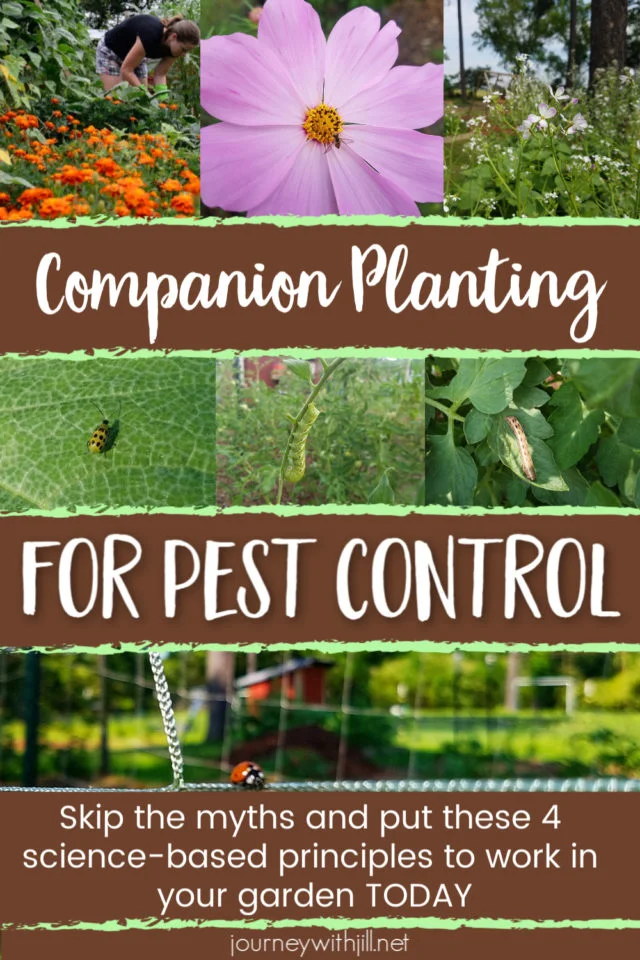
Companion planting is a gardening technique that involves growing different types of plants close together with the aim of providing mutual benefits. In vegetable gardens, this often means positioning plants strategically so they can support each other in various ways, such as improving growth, enhancing flavor, or notably, deterring pests. By understanding how certain plants interact, gardeners can design a more resilient and productive garden ecosystem that naturally reduces pest outbreaks without heavy reliance on chemicals.
Benefits of Using Plants to Repel Pests
Using companion plants to repel pests offers several advantages. First, it reduces the need for synthetic pesticides, creating a safer environment for families and beneficial garden insects like pollinators and predators. Secondly, companion plants can act as natural shields by confusing or deterring pests with their scents or physical characteristics. This integrated approach helps maintain healthy crops, minimizes damage, and promotes biodiversity. Moreover, some companion plants provide additional benefits such as enhancing soil health or attracting helpful insects, making pest control more sustainable and holistic.
Top Companion Plants That Naturally Deter Common Garden Pests
Marigolds: The Flowering Pest Repellent
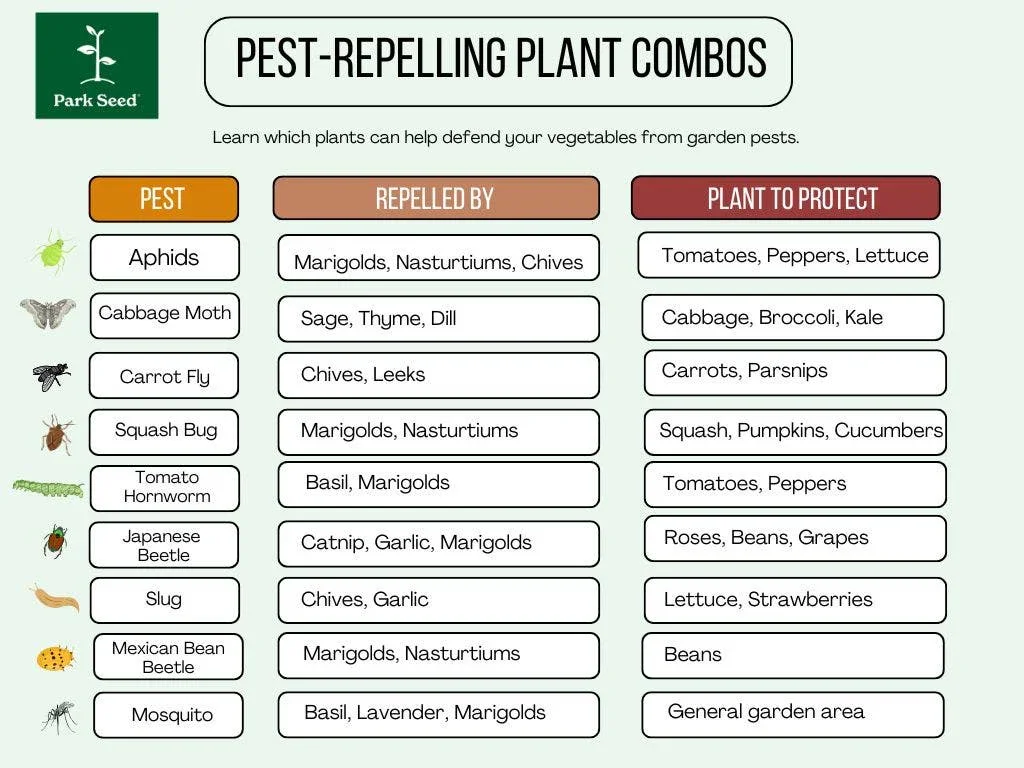
Marigolds have long been prized for their pest-repellent properties. These vibrant flowers produce chemicals in their roots and foliage that deter nematodes and various beetles harmful to vegetable crops. Planting marigolds alongside vegetables can reduce pest populations like aphids and certain beetles. Beyond their pest control benefits, marigolds attract pollinators and beneficial insects, supporting overall garden health. Varieties such as French and lemon marigolds also offer edible blossoms, adding aesthetic and culinary value to the garden.
Garlic and Onions: Bulb Allies Against Insects
Garlic and onions emit strong, pungent aromas that many insect pests find unappealing. These bulbs can be interplanted with a variety of vegetables to discourage moths, aphids, and spider mites. Their underground growth habit complements root crops and leafy vegetables well, providing protection without competing for above-ground space. Additionally, growing these alliums supports soil health through their natural bioactive compounds, contributing to a balanced garden ecosystem.
Basil: The Aromatic Insect Deterrent
Basil is celebrated not just for its culinary uses, but also its effectiveness in repelling pests such as tomato hornworms and thrips. Different basil varieties like Italian Genovese, purple ‘Opal basil,’ and hybrid lemon basil produce distinct aromatic oils that confuse and repel these damaging insects. Planting basil near tomatoes or peppers can create a protective barrier, enhancing plant vigor and reducing pest pressure. The fragrant leaves also attract beneficial pollinators, which encourage healthy fruit production.
Chrysanthemums: Nature’s Insecticides
Chrysanthemums contain natural compounds called pyrethrins, which are potent insecticides against many common garden pests. Their cultivation near vegetables can help control aphids, whiteflies, and spider mites without harming beneficial insects when used naturally. While chrysanthemums require some care to prevent them from becoming invasive, their presence in the garden offers a chemical-free method of pest deterrence that complements other companion plants.
Pairing Vegetables with Ideal Pest-Repellent Companions
Tomatoes and Basil: A Classic Duo
The pairing of tomatoes and basil is well-known among gardeners for both culinary and pest-repellent benefits. Basil’s aromatic oils ward off pests such as tomato hornworms and thrips, which commonly target tomato plants. When grown closely, basil not only protects tomatoes but also enhances their flavor. This complementary relationship makes it a simple yet effective strategy for reducing pest damage without additional treatments.
Carrots and Onions: Underground Protection
Carrots and onions provide each other with a form of underground pest defense. Onions produce sulfur compounds in the soil that repel carrot flies, a significant pest for carrot crops. Meanwhile, carrots help mask the smell of onions from onion flies. Their root systems do not compete aggressively, allowing them to coexist harmoniously. This pairing is a classic example of how underground interactions can benefit above-ground plants by reducing common pest problems.
Cabbage and Rosemary: Keeping Caterpillars at Bay
Cabbage family vegetables are often plagued by pests like cabbageworms and moths. Interplanting with rosemary offers a natural deterrent because its strong, evergreen scent confuses and repels these caterpillars and moths. Rosemary’s woody structure also adds physical complexity to the garden, helping protect tender vegetable leaves. Alongside herbs like catnip and thyme, rosemary can significantly reduce pest populations while improving the garden’s aroma and biodiversity.
Scientific Insights Behind Pest-Repelling Companion Plants
How Plant Scents Confuse and Deter Pests
Many companion plants release volatile organic compounds—essentially natural scents—that interfere with pests’ ability to locate their host plants. These aromas can mask the smell of vegetable crops or emit signals that pests find unpleasant or alarming. By planting aromatic herbs like thyme, mint, or catnip near vulnerable vegetables, gardeners create a confusing environment for pests, reducing their success in finding and damaging crops. This olfactory camouflage is one of the primary mechanisms behind companion planting’s effectiveness.
Chemical Compounds Released by Companion Plants
Beyond scents, some companion plants produce specific chemical compounds that serve as natural insecticides or repellents. For instance, marigolds exude thiophenes that inhibit nematodes in the soil, while chrysanthemums synthesize pyrethrins that disrupt insects’ nervous systems. These compounds can either repel pests or reduce their survival rates, thereby protecting crops. The combined effects of different companion plants’ chemicals can create a layered defense, limiting pest outbreaks organically and sustainably.
How to Design Your Garden for Maximum Pest Control
Planting Patterns and Spatial Arrangement Tips
To maximize pest control benefits, it’s important to carefully plan your garden layout. Companion plants work best when planted in clusters, rows, or rings around vulnerable vegetables, as this creates a protective barrier that pests must navigate. Interplanting herbs like mint, thyme, or marigolds throughout the garden can also distribute pest-repellent effects widely. However, gardeners should avoid overcrowding, which can stress plants and reduce airflow, potentially inviting other problems. Thoughtful spacing and diversity help maintain a robust garden microclimate that favors healthy crops.
Seasonal Considerations and Succession Planting
Pest populations and plant growth cycles vary with the seasons, so timing is essential when using companion plants. Some herbs and flowers may only be effective during certain periods, while crops like carrots benefit from shade during hot weather, which can be provided by nearby vegetable companions. Succession planting—rotating crops and companion plants throughout the growing season—helps maintain pest pressure at manageable levels and supports soil health. Regularly renewing companion plants ensures continuous protection and helps avoid gaps that pests can exploit.
Common Mistakes to Avoid When Using Companion Plants
Overcrowding and Its Impact on Plant Health
One common error is overcrowding companion and vegetable plants, which can reduce air circulation and increase disease risk. Although companion planting encourages proximity, excessive density stresses plants, making them more susceptible to pests and disease. Balance is key—allow enough space for each plant to thrive while still benefiting from neighboring companions. Regular pruning and monitoring help maintain this equilibrium and prevent problems.
Choosing Plants That Attract Unwanted Pests
Not all plants labeled as “repellent” are suitable for every garden; some non-culinary herbs can spread aggressively, becoming weeds or attracting pests themselves. For example, plants like wormwood, southernwood, and tansy require management to prevent them from dominating the garden. Additionally, relying solely on companion plants for pest control is risky—while they reduce pest numbers, they rarely provide complete protection. Gardeners should combine companion planting with other integrated pest management tactics for best results.
Conclusion: Embracing Natural Pest Management Strategies
Integrating companion plants into vegetable gardens is a practical, eco-friendly approach to reducing pest damage and promoting healthy crops. By understanding the specific benefits and roles of plants like marigolds, basil, garlic, and rosemary, gardeners can design diverse plantings that naturally deter pests. This method not only protects produce but also enhances garden biodiversity and resilience. Embracing these natural strategies helps create sustainable gardens that thrive with fewer chemicals, offering long-term rewards in yield, health, and environmental impact.


