
Understanding the Basics of Vertical Gardening
What Is a Vertical Garden?
Imagine transforming a plain backyard wall or fence into a thriving garden that climbs skyward rather than sprawling outwards. A vertical garden is essentially a method of growing plants upward on structures like trellises, walls, or specially designed containers. This technique turns unused vertical spaces into productive green areas, making it ideal for those with limited ground space.
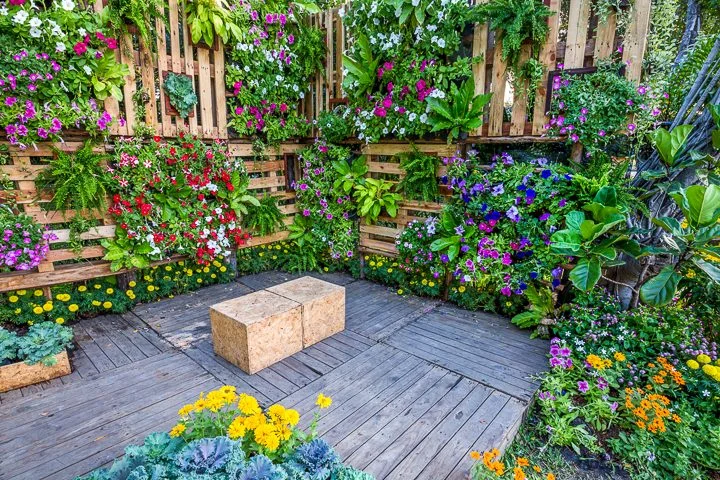
For instance, a homeowner in a small urban backyard used a vertical planting system against their fence to grow tomatoes and cucumbers. By training the plants upward, they doubled their vegetable production compared to traditional ground planting, proving how vertical gardens optimize limited spaces.
Benefits of Vertical Gardens in Small Backyards
In tight backyard spaces, sprawling plants can soon take over, creating a tangled mess that’s difficult to manage or harvest. Vertical gardening offers a practical solution by saving precious ground space and opening up pathways for easier access. Beyond space-saving, growing plants vertically improves airflow, reducing humidity that often causes plant diseases.
Take the story of a couple who struggled with tomato plants turning moldy due to poor airflow. After switching to vertical trellises, their plants received better sunlight and air circulation, resulting in healthier growth and more fruitful harvests. Additionally, harvesting from eye level on a vertical garden reduces strain, making gardening more enjoyable.
Planning Your Vertical Garden Layout
Assessing Available Space and Sunlight
Effective vertical gardening begins with careful planning. Understanding where your garden receives sunlight is crucial since most vegetables and flowers require at least six hours of direct sun. In a small backyard, even a narrow strip against a sunny wall can be a perfect spot. One gardener found that the south-facing side of their shed offered the ideal spot, receiving morning to early afternoon sun, perfect for growing herbs vertically.
Consider also the height and width you can work with. Measuring the wall or fence space available, as well as noting nearby trees or structures that could cast shade, helps determine which vertical structures will fit without overcrowding or overshadowing other plants.
Choosing the Right Plants for Vertical Growth
Not all plants thrive when grown vertically, so selecting those that naturally climb or vine makes the process smoother. Sugar snap peas, pole beans, cucumbers, and some squash varieties are perfect candidates. Herbs such as thyme and oregano can also be trained to grow upwards in smaller containers.
A gardener shared how rotating sugar snap peas in the spring with pole beans in the summer on the same trellis maximized use without exhausting the soil. This rotation kept their vertical garden productive and visually interesting across seasons. Climbing flowers like morning glories or nasturtiums add color and attract pollinators, enhancing both beauty and productivity.
DIY Vertical Garden Structures to Build
Using Pallets: A Step-by-Step Guide
Pallets offer an affordable and versatile option for vertical gardening. Starting with a sturdy pallet, first clean it thoroughly and remove any loose nails. Next, secure landscaping fabric to the backside and bottom to hold soil in place once planted. Position the pallet vertically against a fence or wall, and fill the sections with a light soil mix.
One urban gardener shared how they repurposed an old pallet to grow lettuce, spinach, and herbs, turning a neglected alleyway corner into a lush green wall. Regular watering and occasional fertilizing kept the plants thriving in tightly packed spaces. This approach is especially useful for leafy greens and small herbs that don’t require deep soil.
Creating Vertical Planters from Recycled Materials
Creativity plays a big role in vertical gardening, especially when using recycled materials. Old gutters, tin cans, or wooden crates can be repurposed as planters. For example, hanging a series of painted tin cans on a wooden frame can create a charming vertical herb garden. Each container should have drainage holes and be securely attached to the structure.
A family living in a small backyard fashioned a vertical planter from old window shutters mounted with small pots. This allowed them to grow a mix of flowers and culinary herbs at different heights, adding a colorful and functional wall of greenery that was easy to maintain.
Installing Wall-Mounted Planters and Pocket Systems
For those looking to invest a bit more, wall-mounted planters and fabric pocket systems are excellent choices. These systems allow multiple plants to grow in individual pockets attached to a vertical backing. They work well for shallow-rooted plants like strawberries or succulents.
One homeowner installed a fabric pocket planter on their patio wall to cultivate a mix of herbs and small flowers. This setup made harvesting convenient and the garden visually appealing, turning an unused wall into a lively garden canvas without taking up ground space.
Soil, Watering, and Maintenance Tips
Selecting Soil Mixes for Vertical Gardens
Vertical gardens often require lighter, well-draining soil to prevent waterlogging and ensure nutrients reach all plants evenly. Mixing potting soil with compost and materials like perlite or vermiculite improves aeration and moisture retention. For example, a gardener cultivating tomatoes vertically found that using a peat-based mix with added compost kept plants healthier and less prone to root rot.
Efficient Watering Systems for Vertical Setups
Water management is crucial for vertical gardens since gravity causes water to drain quickly through the soil. Drip irrigation systems or self-watering planters can provide consistent moisture. A homeowner installed a simple drip line along their vertical trellis, ensuring that each plant received adequate water without overwatering the lower layers.
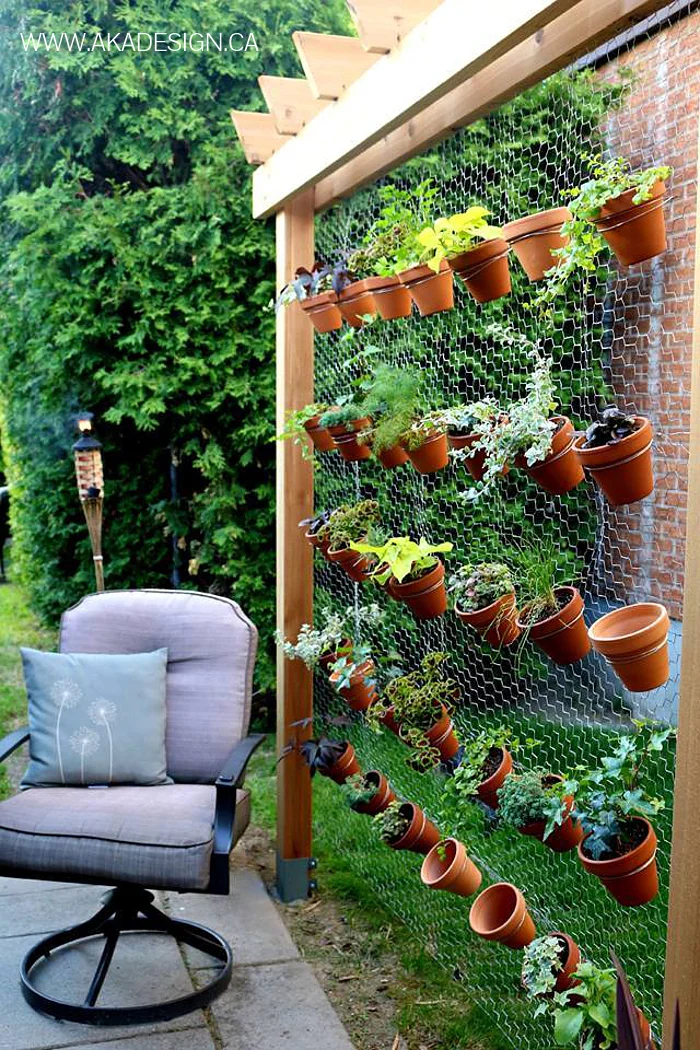
In smaller setups, hand watering may suffice, but it’s important to water from the top and monitor drainage to avoid soggy soils. Some gardeners also use mulch at the top of the soil to retain moisture and reduce evaporation.
Routine Maintenance and Pest Control
Regular maintenance keeps vertical gardens productive and disease-free. Weekly pruning of lower leaves enhances airflow and sunlight penetration, reducing fungal risks. One gardener noticed that after consistently removing crowded foliage, their beans thrived with fewer pest issues.
Monitoring for common pests like aphids or spider mites is easier when plants are grown vertically due to better visibility. Natural remedies such as neem oil sprays can be applied quickly without disturbing the whole garden. Additionally, training vines properly on trellises prevents them from sprawling and attracting unwanted pests.
Creative Plant Combinations and Design Ideas
Incorporating Edibles and Ornamentals
Mixing vegetables, herbs, and flowers in vertical gardens adds both functionality and aesthetic appeal. Bright blooms like marigolds or nasturtiums not only attract pollinators but also deter certain pests. For example, a gardener combined sweet peas, basil, and primroses on a trellis, creating a vibrant and aromatic garden wall.
Herbs like thyme and chives fit well into pockets or small planters, making them easy to snip for cooking. This variety ensures the garden remains productive while providing visual interest throughout the growing season.
Seasonal Plant Rotation for Year-Round Beauty
Maintaining a dynamic vertical garden involves rotating crops seasonally to keep soil healthy and spaces utilized. Starting with cool-season crops like sugar snap peas in early spring and moving to summer staples like pole beans extends productivity. In fall, planting peas again or hardy herbs fills gaps and prepares the garden for the next cycle.
One gardener explained how rotating plants on their trellis prevented soil depletion and kept the garden looking fresh year-round. Seasonal rotation also reduces pest build-up, contributing to a sustainable growing environment.
Troubleshooting Common Issues in Vertical Gardens
Vertical gardens come with unique challenges, often linked to neglecting proper structure or plant care. For example, skipping trellises for sprawling plants like tomatoes can create dense, humid clusters prone to diseases such as blight. One experienced gardener shared that after switching to trellising, they drastically reduced fungal infections.
Placing an arch trellis across only one raised bed can create shade that stunts the growth of underlying plants. It’s better to use arch trellises to connect two beds, allowing light to filter through and doubling the growing space above. Avoid letting vines sprawl on the ground, as this leads to overcrowding and competition for nutrients.
Delaying harvest because fruits and vegetables become difficult to find or reach often reduces yield quality. Maintaining vertical gardens with organized, accessible layouts ensures you can harvest at eye level, which reduces strain and preserves plant health.


