
Understanding Humidity and Skin Irritation
How Humid Climates Affect Skin Health
Living in a humid climate means your skin is constantly exposed to moisture in the air, which can significantly impact its health. High humidity encourages sweating, and when sweat lingers on the skin without evaporating, it creates a moist environment that can lead to irritation. This moisture, combined with heat, often triggers discomfort such as itching, redness, and rashes, especially for those with sensitive or eczema-prone skin. The skin’s natural barrier can weaken under these conditions, making it more vulnerable to allergens, bacteria, and other irritants.
Additionally, the excess moisture can encourage the growth of mold, mildew, and dust mites on clothing, all of which are known to exacerbate skin issues. The combination of trapped sweat, heat, and environmental allergens creates a challenging setting for maintaining healthy skin in humid regions.
The Role of Clothing in Preventing Irritation
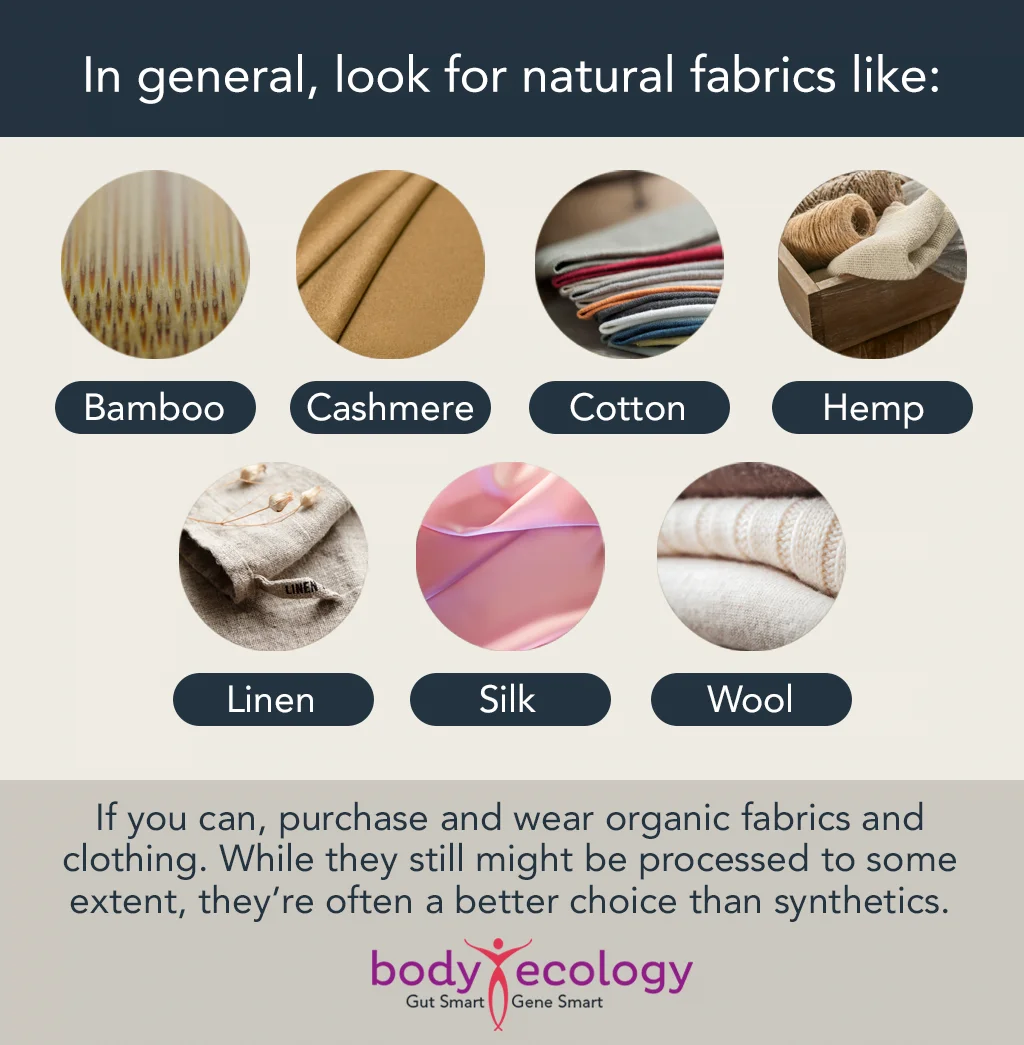
What you wear plays a crucial role in how your skin copes with humidity. Fabrics that trap heat and moisture against the skin often worsen irritation, leading to flare-ups of eczema or other skin sensitivities. Synthetic materials, in particular, can create a barrier that prevents breathability, making the skin’s environment even more uncomfortable.
Choosing the right fabric isn’t just about comfort—it actively helps in managing skin health. Breathable, moisture-absorbing materials promote airflow and aid in keeping the skin dry, minimizing itching and redness. Beyond fabric type, the way clothes are processed and treated also matters. Chemicals from dyes and manufacturing can irritate sensitive skin, so natural and certified organic fabrics are better choices for those struggling in humid climates.
Top Fabrics for Humid Environments
Cotton: The Breathable Classic
Cotton has long been hailed as a go-to fabric for warm and humid weather, and for good reason. Its natural fibers allow the skin to breathe, helping sweat evaporate quickly and reducing moisture buildup. However, not all cotton is created equal—standard cotton farming relies heavily on pesticides, which may leave residues that irritate sensitive skin. Opting for organic cotton ensures that the fabric is free from these harsh chemicals, making it a safer and gentler choice.
Another benefit of cotton is its ability to become softer with every wash, increasing comfort over time. Look for labels that say “100% cotton” and certifications like GOTS (Global Organic Textile Standard) to guarantee the highest quality and safety standards.
Linen: Lightweight and Absorbent
Linen stands out for its exceptional breathability and natural moisture-wicking properties. Made from flax fibers, linen is an excellent choice for humid climates because it absorbs moisture quickly and dries fast, helping to keep skin cool and dry. Its lightweight texture allows ample air circulation, reducing the risk of trapped heat and irritation.
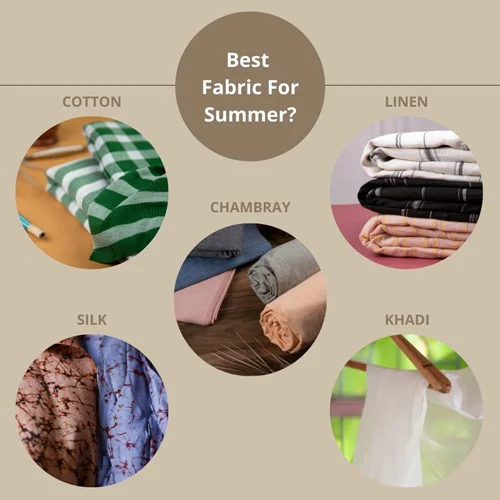
One of linen’s unique features is that it becomes softer and more comfortable with each wash, unlike some other fabrics that lose their texture over time. Its natural hypoallergenic qualities also make it suitable for those with sensitive or reactive skin. However, keep in mind that pure linen can sometimes feel rough initially, so blending it with other natural fibers may improve comfort if you have ultra-sensitive skin.
Modal and Rayon: Soft and Moisture-Wicking
Modal and rayon are semi-synthetic fabrics derived from natural sources like beech trees and bamboo. These materials offer excellent softness combined with moisture-wicking abilities, making them increasingly popular for wear in humid conditions. Unlike synthetic polyester blends, modal and rayon allow air to flow freely, which helps regulate skin temperature and reduce perspiration build-up.
That said, it’s important to check the fabric’s chemical treatments, as some versions of these fabrics are heavily processed, which may introduce irritants. Choosing versions that are organic or minimally treated can help you enjoy their benefits without risking skin reactions. These fabrics also drape beautifully, offering a comfortable fit that resists clinginess in sticky weather.
Innovative Fabric Technologies for Humid Climates
Moisture-Wicking Synthetics Explained
Modern fabric technologies have introduced moisture-wicking synthetics designed to pull sweat away from the body, keeping skin dry even in high humidity. These fabrics, often used in activewear, are engineered to transfer moisture to the outer layers of the garment where it can evaporate more quickly. While this sounds ideal for humid climates, there is a catch.
Many moisture-wicking synthetics are made from polyester or nylon, which do not breathe as naturally as cotton or linen. This can lead to trapped heat, creating the very irritation they aim to prevent. Moreover, synthetic fibers can retain dyes and chemicals that might aggravate sensitive skin or cause allergic reactions. If choosing such fabrics, it’s wise to look for those that are untreated with harsh chemicals and trusted by dermatologists.
Antimicrobial Treatments in Fabrics
To combat odors and bacterial growth caused by trapped moisture, some fabrics undergo antimicrobial treatments. These treatments can be effective in reducing the presence of microbes on clothing, which in turn decreases irritation and odor. However, not all antimicrobial agents are created equal.
Some treatments may involve chemicals that irritate sensitive skin or cause allergic responses. Natural options, such as bamboo fabric’s inherent antimicrobial properties, are preferable, provided they are processed without harmful additives. Always verify the type of antimicrobial treatment a fabric has received, especially if you have sensitive skin. Trustworthy certifications and dermatologist recommendations can guide your choices toward safer options.
Fabric Care Tips to Maximize Comfort
Washing and Drying for Longevity
Proper care of your clothing is essential to maintain fabric softness and skin-friendliness, especially in humid climates where frequent washing is necessary. Washing natural fabrics like cotton and linen at higher temperatures—around 60°C—helps eliminate potential irritants such as leftover skin cells, allergens, and microbes.
Avoid harsh detergents and fabric softeners with strong fragrances or chemicals, as these can worsen skin irritation. Instead, opt for gentle, hypoallergenic laundry products. When drying, air drying is preferable to keep fabric fibers intact and to prevent shrinking. If using a dryer, choose low heat settings to preserve the softness and breathability of the fabric.
Choosing Colors and Patterns for Heat Management
Color can also impact your comfort in humid weather. Light colors reflect sunlight and heat, keeping your body cooler, while dark colors absorb heat and may increase sweat and skin irritation. Choosing fabrics in pastel or neutral shades can help reduce discomfort in tropical environments.
Patterns can have a psychological and practical effect, too. Loose weaves and textured fabrics provide better airflow compared to densely woven materials, even if the color is light. Combining thoughtful color and fabric choice can make a real difference in managing heat and moisture.
Seasonal Wardrobe Planning for Humid Regions
Layering Without Overheating
Layering in humid climates might seem counterintuitive, but it can be done smartly to protect skin without causing overheating. Thin, breathable layers made from natural fabrics like cotton and bamboo can provide a barrier against sweat-induced irritation while allowing air circulation. For example, a lightweight linen shirt over a soft cotton tank top can regulate moisture and reduce friction, minimizing rash risk.
It’s important to avoid bulky or synthetic layers that trap heat. Instead, aim for versatile pieces that can be removed easily as temperatures fluctuate throughout the day. Layering also protects skin from environmental allergens and sun exposure without compromising comfort.
Best Accessories to Complement Skin-Friendly Fabrics
Accessories can enhance comfort and protect skin in humid climates. Hats made from breathable materials shield the face and scalp from excessive sun and heat. Lightweight scarves in cotton or linen can absorb sweat and prevent irritation on the neck.
Footwear choices also matter—natural fiber socks or no socks at all when safe can reduce moisture buildup between toes, cutting down on fungal infections and irritation. When selecting accessories, prioritize natural materials that promote airflow and minimize the risk of trapped moisture.


