
Understanding Oily Skin in Humid Environments
How Humidity Affects Sebum Production
Imagine waking up on a bright morning in Mumbai, the air already thick with moisture, and by noon, your face shines more than the sun overhead. This is a classic effect of humidity on oily skin. When the air holds excess moisture, your skin’s sebaceous glands kick into overdrive, producing more sebum to protect itself. Unfortunately, this extra oil doesn’t disappear; it mixes with sweat and environmental pollutants, creating a greasy film that feels uncomfortable and looks shiny.
In coastal cities or during the monsoon season in India, this problem intensifies. Not only does humidity boost sebum production, but it also creates an environment where sweat clogs pores easily, triggering breakouts. The cycle of sweat, oil, and blocked pores becomes relentless, making oily skin harder to manage in such climates.
Common Challenges Faced by Oily Skin Types
Rina, a marketing professional living in Chennai, struggled daily with her oily skin during the humid months. By mid-afternoon, her makeup would slide off, and she’d notice frequent pimples cropping up, especially along her hairline and forehead. This experience is common among those with oily skin in humid regions. The constant shine undermines self-confidence, and breakouts become a persistent issue.
Moreover, many face the dilemma of preventing oiliness without drying out their skin to the point of irritation. Harsh products can strip away natural oils, prompting the skin to produce even more sebum in retaliation. The challenge lies in achieving a balance: controlling oil without damaging the skin’s protective barrier.
Essential Steps for Managing Oily Skin in Humidity
Choosing the Right Cleanser
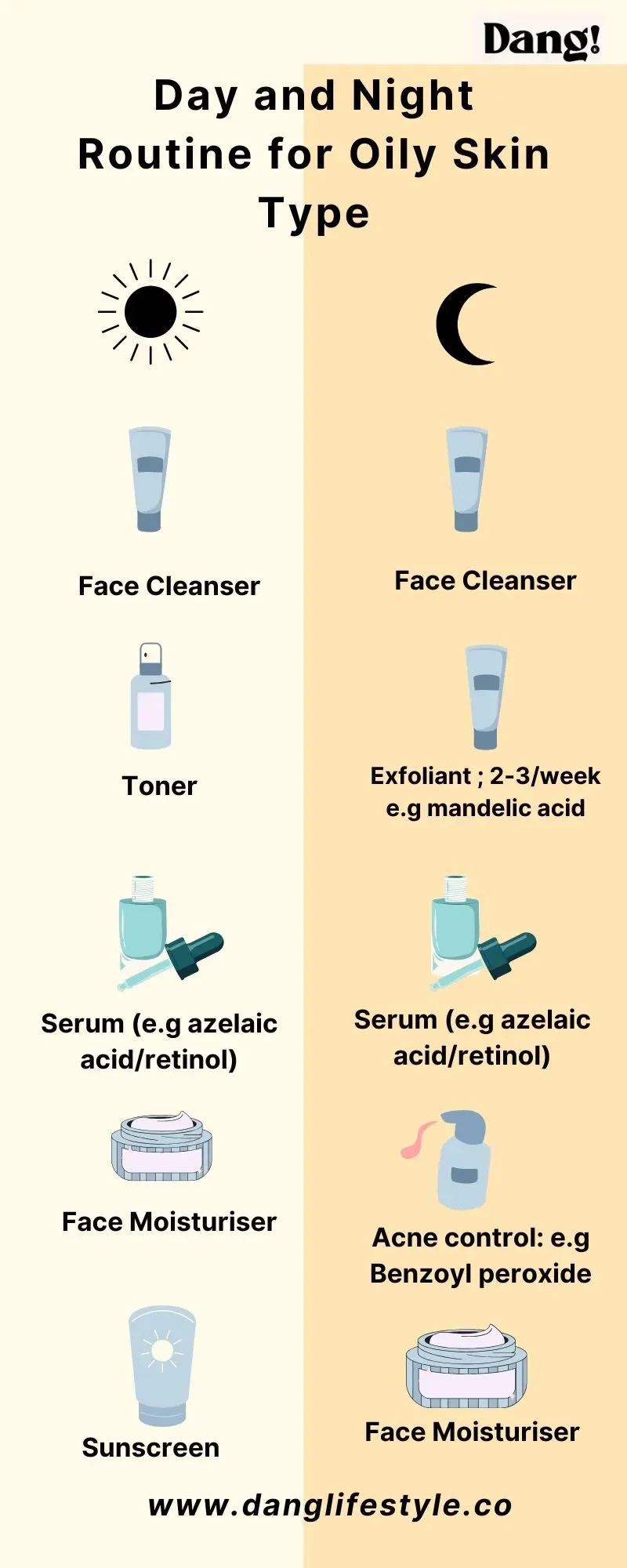
One of the first mistakes Anil made was using harsh soaps that left his skin tight and flaky. Over time, he switched to a sulfate-free gel cleanser infused with salicylic acid and tea tree oil, which transformed his skincare routine. These ingredients gently dissolve excess oils and unclog pores without stripping the skin. Using this cleanser twice daily helped maintain a clear complexion, even during humid spells.
Cleansing in the morning refreshes the skin, while an evening wash removes the day’s buildup of sweat and grime. The key is to avoid cleansers that foam excessively or feel abrasive. Gentle cleansing supports skin health and manages oil production effectively in humid conditions.
Importance of Exfoliation Without Over-Stripping
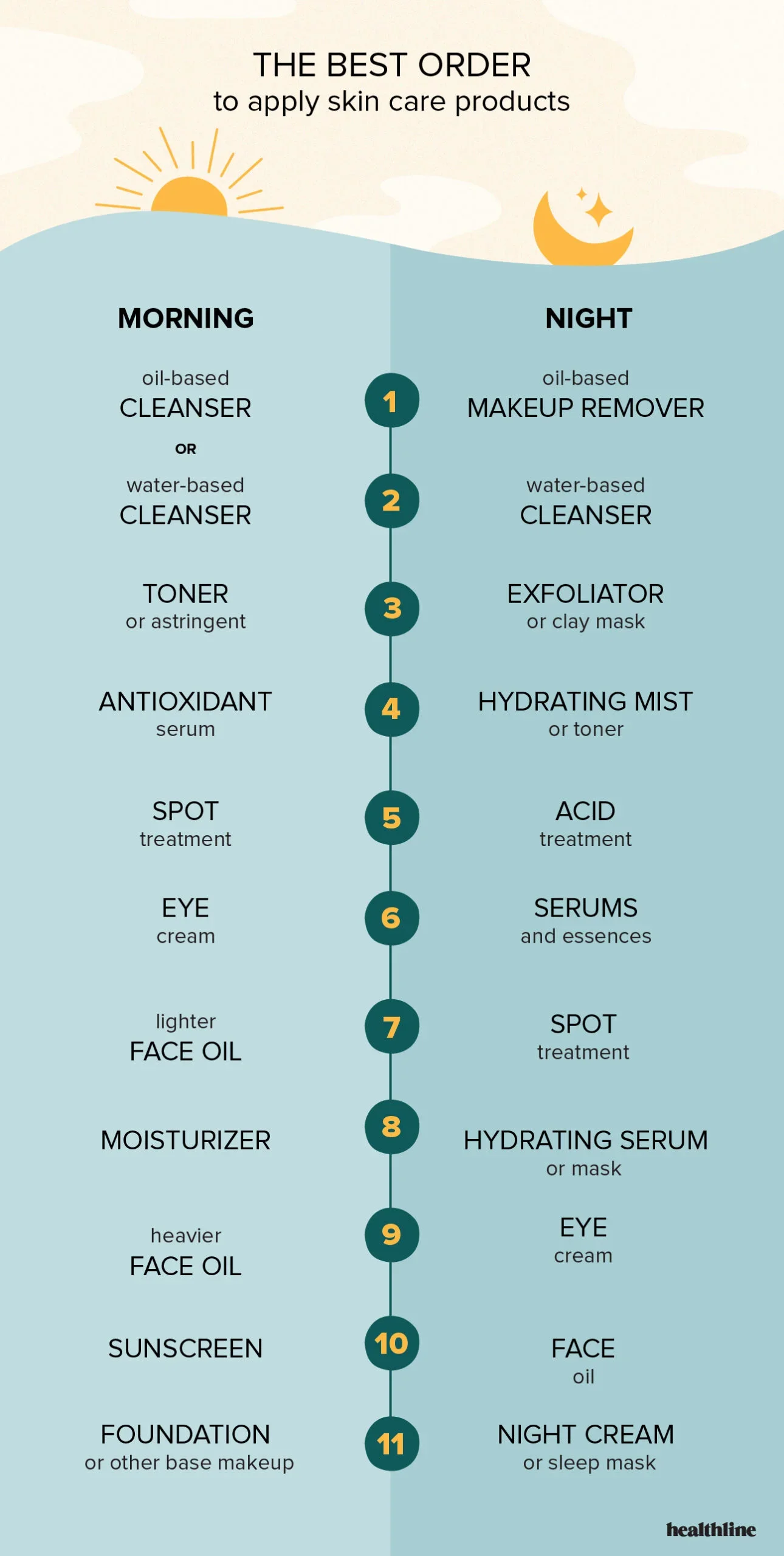
Exfoliating is crucial for oily skin but must be done thoughtfully. Harsh scrubs can irritate the skin and increase oiliness by disrupting the skin barrier. Instead, chemical exfoliants containing beta-hydroxy acids like salicylic acid offer a safer alternative. These ingredients penetrate pores and help in shedding dead skin cells without mechanical abrasion.
Poorvi adopted a weekly exfoliation routine using a mild chemical exfoliant, which reduced blackheads and eased breakouts. Her skin felt smoother and less congested, proving that exfoliation, when done right, is an ally rather than a foe in a humid climate.
Toner Types That Balance Oil and Hydration
After cleansing, using the right toner can restore balance to oily, humid skin. A face mist or toner comprising blue tansy, aloe, vitamin C, and witch hazel works wonders by soothing inflammation and tightening pores. Such toners provide hydration without heaviness, prepping the skin for serums and moisturizers.
Rajesh found that applying this type of toner right after cleansing helped control shine and refreshed his complexion, especially on days when the heat seemed unbearable. The calming properties of aloe and witch hazel were especially beneficial in reducing redness and irritation caused by excess oil.
Moisturizing and Protecting Your Skin
Lightweight Moisturizers Ideal for Humid Weather
One misconception is that oily skin doesn’t need moisturizer. In humid weather, skipping hydration altogether can backfire. The skin, sensing dryness, may produce more oil to compensate. However, thick creams can feel suffocating and exacerbate oiliness. Instead, lightweight, water-based moisturizers infused with niacinamide or zinc are excellent choices. These ingredients regulate sebum and calm acne-causing bacteria while offering essential hydration.
Meera, working in a humid coastal town, replaced her rich night cream with a lightweight serum during the day and noticed her skin felt balanced, not oily or parched. Applying moisturizer while her skin was still damp from the toner enhanced absorption, proving to be a simple yet effective trick.
Sunscreens That Don’t Clog Pores or Add Shine
Sun protection is non-negotiable, especially in humid climates where sun exposure and sweat conspire against your skin. Opting for an oil-free, broad-spectrum SPF 30+ gel or fluid sunscreen is essential. These formulas shield the skin from harmful UV rays without adding to the greasy texture. Avoiding heavy, white-cast sunscreens prevents clogged pores and keeps the skin looking matte.
Vikram experienced frequent breakouts when he ignored sunscreen, only to find relief after switching to a non-comedogenic gel sunscreen. His skin stayed protected and shine-free, allowing him to focus on his day without worrying about sun damage or oil buildup.
Daily Habits and Lifestyle Adjustments
Dietary Tips to Control Oil Production
What you eat affects your skin, particularly in humid weather. High-glycemic foods and oily snacks can trigger excess sebum. Instead, incorporating fresh fruits, vegetables, and foods rich in omega-3 fatty acids can reduce inflammation and oiliness. Drinking plenty of water throughout the day also helps maintain skin hydration and flush out toxins.
Sneha changed her diet during the monsoon season, emphasizing hydrating foods and cutting back on fried snacks. She noticed fewer breakouts and less oily shine during the peak humid months, highlighting how lifestyle choices influence skin health.
Impact of Sweat and How to Manage It
Sweat exacerbates oiliness by mixing with sebum and trapping dirt in pores. After physical activity or exposure to heat, cleansing the skin thoroughly yet gently is crucial to prevent breakouts. Carrying blotting papers or a hydrating mist helps in controlling shine without over-washing, which can irritate the skin.
During a summer cricket match, Arjun used blotting papers regularly and misted his face with aloe-infused spray to stay fresh without washing repeatedly. This practical approach kept his skin clear despite heavy sweating.
Advanced Skincare Techniques for Oily Skin in Humid Climates
Incorporating Blotting Papers and Mists
Blotting papers are a simple tool to manage midday oiliness. Instead of wiping away shine with harsh towels or constant washing, pressing blotting papers gently can absorb excess sebum without disturbing makeup or the skin’s moisture balance. Complementing this with a facial mist containing calming ingredients like blue tansy and aloe refreshes the skin and prevents over-drying.
Natasha swears by carrying a small bottle of face mist and blotting papers in her bag. Whether stuck in traffic or attending outdoor events, she maintains a fresh look throughout the day by using these quick fixes that don’t interfere with her skincare routine.
Using Clay Masks and Other Targeted Treatments
Periodic use of clay masks can draw out impurities and reduce pore size, making them ideal for oily skin in humid climates. Bentonite or kaolin clay masks applied once or twice a week help absorb excess oil and soothe inflammation. However, it’s important not to overdo it, as excessive masking can lead to dryness and rebound oiliness.
Coupled with spot treatments containing ingredients like zinc or niacinamide, these targeted therapies provide a boost to the regular skincare regimen, tackling stubborn acne and restoring skin clarity.
Myths Versus Facts: Clearing Up Common Misconceptions
Why Over-Washing Can Worsen Oiliness
There’s a widespread belief that washing oily skin more frequently reduces oiliness. However, over-washing strips away natural oils, prompting the skin to compensate by producing even more sebum. This vicious cycle leads to increased shine and breakouts.
Rahul learned this the hard way, cleansing his face five times a day, only to have his oil problem worsen. Once he reduced washing to twice daily with a gentle cleanser, his skin’s oil levels normalized, proving moderation is key.
The Truth About Oil-Free Products
Many assume that oil-free products will automatically solve oily skin problems. While avoiding heavy oils is beneficial, the absence of oils doesn’t guarantee balanced skin. Certain lightweight face oils, such as those enriched with ginseng, can actually regulate sebum production and calm irritation.
By pressing a dry-touch, non-comedogenic ginseng face oil serum into her skin while damp from mist, Kavita found her skin’s oiliness reduced and breakouts calmed. This challenges the myth that all oils are harmful for oily skin, emphasizing the importance of choosing the right formulations.


