
Understanding Makeup Allergies
What Causes Makeup Allergies?
Many individuals experience allergic reactions to makeup, but few understand the underlying causes. Common makeup allergens include preservatives such as formaldehyde and its releasers, fragrances, and solvents used to dissolve ingredients in lotions and creams. Sunscreen components like oxybenzone can also trigger sensitivity in some users. Additionally, prolonged use of a product increases the risk of developing an allergy over time. Ingredients like retinol, while not true allergens, can still cause significant irritation, complicating the identification of allergy versus sensitivity. Surprisingly, products labeled “unscented” may still contain fragrances used to mask chemical odors, further confusing consumers. Other frequent culprits are parabens, imidazolidinyl urea, and various preservatives found in bath soaps, shampoos, and nail products, especially those containing formaldehyde or methacrylate. Even natural ingredients like lanolin, derived from sheep wool, can provoke allergic dermatitis, underscoring that both synthetic and natural components may cause reactions.
Symptoms to Watch For
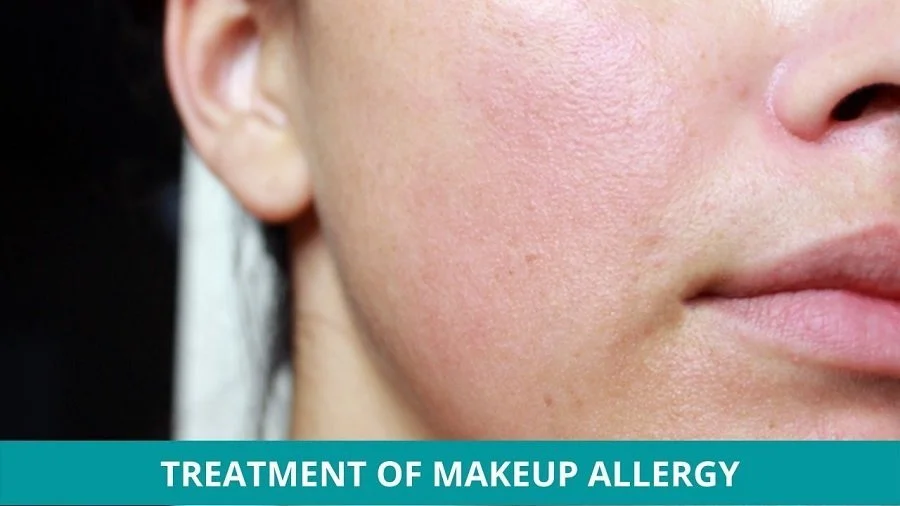
Recognizing makeup allergies early helps prevent worsening symptoms. Common signs include redness, swelling, itching, and burning sensations on the skin where the makeup was applied. Some individuals may notice tightness or stinging immediately after application. More severe allergic reactions can result in rashes, blisters, or flaking skin. Eye makeup allergies often cause watery eyes, redness, and irritation, while lip allergies may cause dryness and peeling. It’s crucial to note that these symptoms can vary widely, sometimes appearing hours or days after exposure. Mistaking irritation for product effectiveness is a common error that can worsen the condition if not addressed promptly.
Identifying Your Allergens
Patch Testing at Home
When it comes to pinpointing which makeup product or ingredient is causing an allergic reaction, patch testing is an effective and accessible first step. Applying a small amount of the product on the inside of your elbow and waiting 48 to 72 hours can reveal if redness, swelling, itching, or burning occurs. This simple practice helps avoid full-face application that might worsen symptoms. However, patch testing is not foolproof, especially with mixtures of ingredients, so proceed with caution and always test new products before widespread use.
Consulting a Dermatologist
For persistent or severe reactions, professional consultation is key. Dermatologists can conduct specialized patch tests to identify specific allergens more accurately than home methods. This step is essential for understanding complex or multiple sensitivities. Once diagnosed, skin specialists can offer tailored advice, prescribe topical treatments such as steroids, and help create a safe skincare and makeup routine. Ignoring persistent symptoms or self-treating without guidance often leads to prolonged discomfort and skin damage.
Natural Ingredients That Soothe Allergic Reactions
Aloe Vera: Nature’s Soothing Gel
Aloe vera is widely celebrated for its soothing and anti-inflammatory properties, making it an excellent natural remedy for makeup-induced skin irritation. Applying pure aloe vera gel helps calm redness and swelling, providing immediate relief without harsh chemicals. Its moisturizing benefits also aid in skin repair, promoting healing after allergic reactions. Choosing products with real aloe or using fresh gel directly from the plant enhances the soothing effect.
Chamomile and Calendula Benefits
Both chamomile and calendula have long been used in herbal medicine to treat skin conditions. Their anti-inflammatory and antioxidant qualities help reduce irritation caused by allergic reactions to makeup. Chamomile, often available as an infused oil or lotion ingredient, can calm inflamed skin, while calendula’s gentle healing effects repair damaged skin barriers. Utilizing these ingredients in skincare products or homemade remedies supports natural recovery and reduces dependency on medical treatments.
Essential Oils for Skin Healing
Certain essential oils, when used carefully and diluted, assist in alleviating skin allergies. Lavender oil is renowned for its calming properties and ability to reduce redness, while tea tree oil offers antimicrobial benefits to prevent secondary infections in irritated areas. However, essential oils must be applied cautiously, as they can themselves be allergenic. Testing on a small skin area beforehand and consulting a professional helps avoid exacerbating the condition.
Preventive Measures to Minimize Allergic Reactions
Choosing Hypoallergenic and Organic Products
Many seek hypoallergenic or organic products believing they are safer choices. Unfortunately, these labels do not guarantee the absence of allergens or irritants. Some “hypoallergenic” products still contain preservatives or fragrances that provoke allergic reactions. The best approach is to select products with minimal and transparent ingredient lists, focusing on those explicitly labeled “fragrance-free” or “without perfume” to avoid hidden scents. Simplifying the beauty routine by reducing the number and frequency of product use also lessens exposure risk, especially for those with sensitive skin prone to reactions.
Proper Makeup Hygiene and Storage Tips
Using makeup hygienically prevents the transfer of germs and exposure to irritants that heighten allergic responses. Always wash your face before applying makeup to remove dirt and bacteria that could trigger flare-ups. Avoid sharing makeup products to prevent germ transmission that may cause infections and worsen allergies. Additionally, cosmetics should be disposed of after one year, as older products often harbor bacteria and degrade in quality, increasing the risk of inflammation or allergic reaction. Storing products in cool, dry places away from sunlight preserves their integrity and safety for use.
DIY Natural Remedies for Allergy Relief
Homemade Cold Compresses
Applying cold compresses is an effective natural way to soothe inflamed and itchy skin resulting from makeup allergies. Using a clean cloth soaked in cool water or chilled herbal infusions such as chamomile tea, gently pressed against the affected areas reduces swelling and discomfort. This simple remedy can be repeated several times a day to manage symptoms and provide immediate relief without chemicals.
Recipes for Anti-Inflammatory Face Masks
Natural face masks made with ingredients like oatmeal, honey, and yogurt offer anti-inflammatory and moisturizing benefits ideal for calming allergic reactions. Oatmeal contains compounds that soothe and protect irritated skin, while honey acts as an antibacterial agent and humectant, locking in moisture. Mixing these with plain yogurt creates a gentle mask that reduces redness and promotes skin repair. Applying such masks regularly after allergy flare-ups can accelerate healing while avoiding harsh synthetic products.
When to Seek Medical Attention
Recognizing Severe Allergic Responses
While many makeup allergies can be managed naturally, some symptoms indicate the need for urgent medical care. Severe swelling, blistering, intense pain, difficulty breathing, or spreading rash beyond the initial area require prompt professional evaluation. Ignoring these signs increases the risk of complications and prolonged skin damage. Moreover, prolonged or recurring reactions that do not improve with home remedies also warrant medical consultation.
Combining Natural and Medical Treatments
Integrating natural remedies with prescribed medical treatments often provides the most effective relief from makeup allergies. Dermatologists may recommend topical steroids to reduce inflammation alongside natural soothing agents such as aloe vera or chamomile to support skin healing. It is vital to follow medical advice closely and inform your doctor about any natural products used to avoid adverse interactions. This balanced approach helps restore skin health while minimizing chemical exposure.


