
Introduction to Gluten-Free Meal Prep
Understanding Gluten and Its Effects
Gluten is a protein found in wheat, barley, and rye. For those with celiac disease or gluten sensitivity, consuming gluten can cause digestive discomfort and health complications. Avoiding gluten is essential, but dining options can be limited on busy days. This is why gluten-free meal prep becomes an effective strategy for maintaining diet and health without stress.
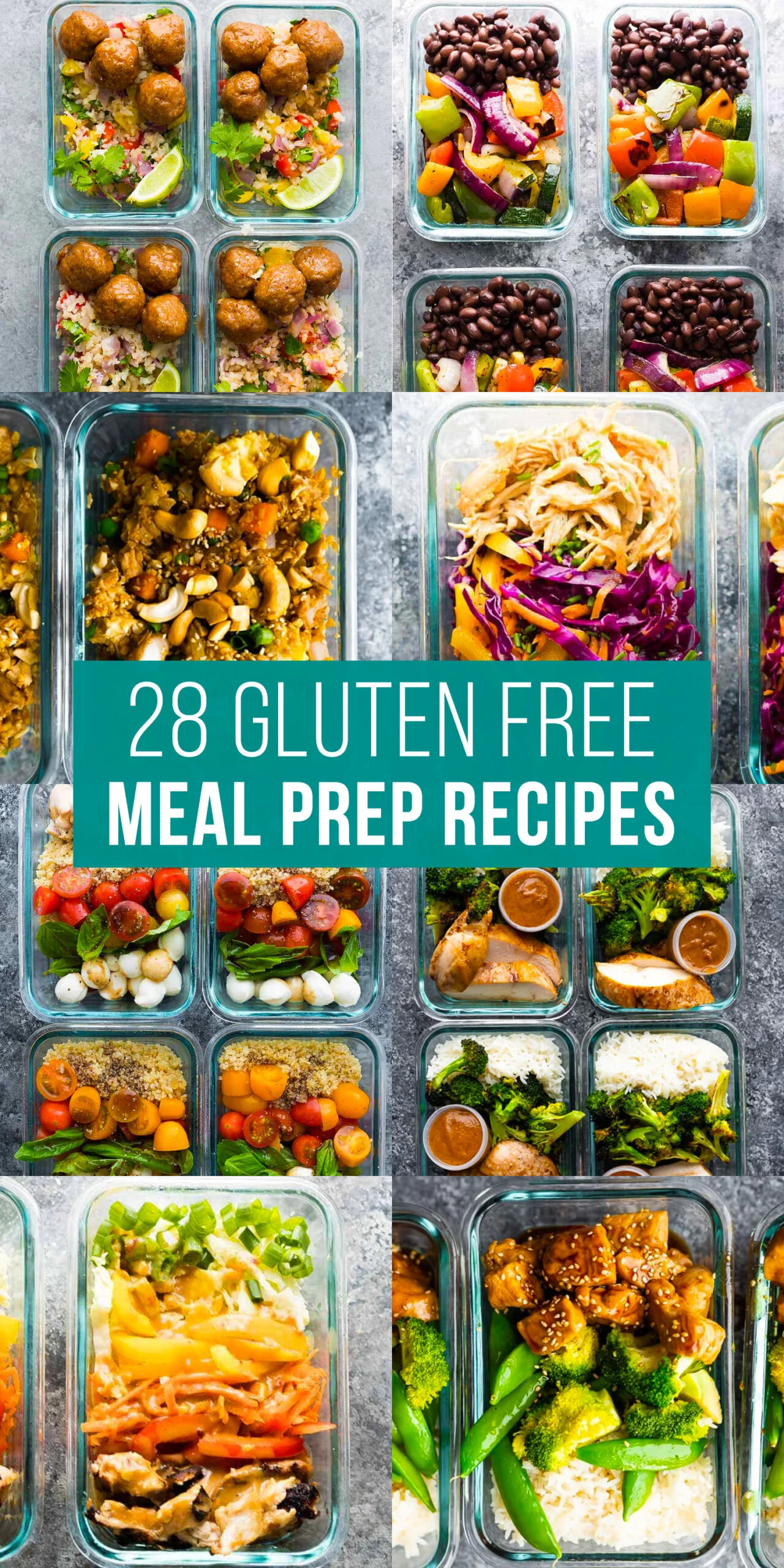
Benefits of Meal Prepping for Busy Individuals
Meal prepping saves time and reduces daily cooking stress, especially on hectic weeknights filled with activities. Preparing gluten-free dinners in advance ensures you have nourishing meals ready to go, preventing impulsive takeout choices that may not meet dietary needs. It also helps manage grocery shopping and minimizes food waste by making the best use of ingredients.
Planning Your Gluten-Free Dinner Menu
Choosing Balanced and Nutritious Ingredients
A well-planned gluten-free menu focuses on balance by including proteins, vegetables, and gluten-free grains or starches. Selecting lean meats, legumes, and fresh produce supports health and energy. Incorporate whole foods like quinoa, potatoes, and naturally gluten-free vegetables to create satisfying dinners without compromising nutrition.
Incorporating Variety to Avoid Meal Fatigue
Repetition in meal choices can lead to boredom, making it harder to stick with meal prep routines. Rotate different protein sources, seasonings, and cooking methods throughout the week. Mixing in kid-friendly favorites alongside new recipes keeps the family engaged. Using leftovers creatively, such as turning shredded chicken from one dinner into a soup or salad, refreshes the menu without extra prep.
Essential Gluten-Free Staples for Your Pantry
Grains, Flours, and Alternatives
Stocking your pantry with gluten-free grains like rice, cornmeal, and gluten-free oats sets a solid foundation. Alternative flours such as almond, coconut, and rice flours offer versatility for baking and cooking. Keeping ready-to-use gluten-free pasta and bread lets you whip up quick meals during tight schedules.
Herbs, Spices, and Condiments to Enhance Flavor
Flavorful meals depend on more than just the main ingredients. Maintain a variety of fresh and dried herbs, spices, and gluten-free condiments to elevate dishes. Nutritional variety and taste adventure become easier with staples like garlic, cumin, paprika, fresh basil, and tamari sauce. These additions turn simple meals into enjoyable experiences and keep gluten-free dinners anything but boring.
Step-by-Step Guide to Weekly Gluten-Free Meal Prep
Batch Cooking Proteins and Vegetables
Batch cooking involves preparing large quantities of proteins and vegetables to use throughout the week. For example, roasting a tray of chicken breasts alongside mixed vegetables or slow-cooking a pot of carnitas ensures ready ingredients. This approach reduces daily cooking time and makes assembling meals quick and efficient.
Proper Storage Techniques to Maintain Freshness
Storing prepped food correctly is essential to preserve flavor and safety. Use airtight containers and refrigerate or freeze meals based on when they will be consumed. Labeling containers with dates helps rotate food effectively. Dividing meals into portion-sized servings supports grab-and-go convenience on the busiest nights.
Quick and Easy Gluten-Free Dinner Recipes
One-Pot Meals and Sheet Pan Dinners
One-pot and sheet pan meals simplify cooking and cleanup. Recipes like gluten-free chicken casseroles or sheet pan roasted vegetables with meat combine ingredients in a single dish. These meals can be prepared in under an hour and adapted with family favorites, ensuring both speed and satisfaction on weeknights.
Make-Ahead Salads and Bowls
Make-ahead salads and grain bowls are excellent for nutritious, fast dinners. Prepare components such as quinoa, roasted veggies, and grilled chicken beforehand. Assemble bowls with fresh toppings like avocado, nuts, and dressings when ready to eat. This method reduces meal assembly time and adds freshness to gluten-free dinners.
Tips for Staying on Track with Gluten-Free Meal Prep
Time-Saving Kitchen Tools and Gadgets
Using appliances like slow cookers and Instant Pots can transform meal prep by speeding up cooking without constant attention. Spiralizers and food processors streamline chopping and add variety with minimal effort. Investing in quality storage containers further enhances organization and saves time in the kitchen.
How to Handle Dining Out and Leftovers
Dining out on a gluten-free diet requires planning. Research restaurants with gluten-free menus or call ahead to ensure safe options. When eating leftovers, creatively repurpose them into new dishes to avoid monotony and waste. For instance, leftover shredded chicken can become a filling for gluten-free tacos or a topping for salads.
Conclusion: Maintaining a Gluten-Free Lifestyle Made Simple
Meal prepping gluten-free dinners for busy weeknights is about planning, simplicity, and flexibility. By organizing balanced menus, stocking essential ingredients, and utilizing time-saving techniques, you can provide nutritious, delicious meals for your family without stress. Staying consistent with these strategies turns gluten-free living into a manageable and enjoyable routine.


