
Introduction to Low-Carb Meal Prepping
Managing a busy schedule often leaves little time for cooking, which can make sticking to a healthy eating plan challenging. Low-carb diets have gained popularity for their potential benefits in weight management and blood sugar control. However, many people struggle with planning and preparing healthy low-carb dinners, especially on hectic weeknights. Meal prepping offers a practical solution by allowing you to prepare nutritious meals in advance, ensuring you have convenient, ready-to-eat options that align with your dietary goals.
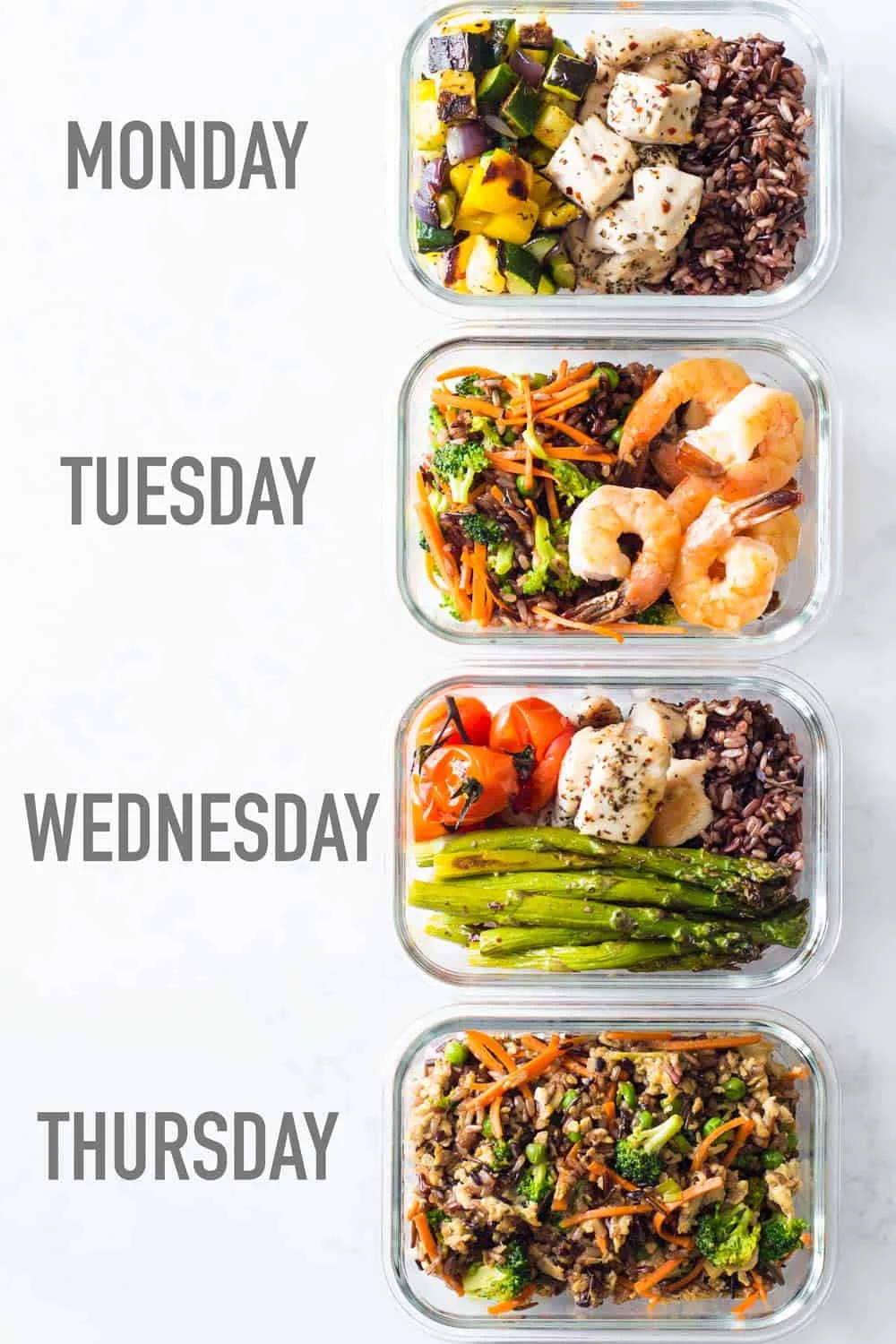
Benefits of Preparing Healthy Low-Carb Dinners
Time-Saving Advantages
One of the key challenges during busy weekdays is finding the time to cook wholesome meals. Preparing low-carb dinners ahead of time helps reduce daily cooking stress and speeds up meal times. When meals are prepped in batches, it eliminates the need for last-minute decisions and extensive cooking, freeing up valuable time. This strategy can also simplify cleanup and reduce the temptation to opt for unhealthy convenience foods.
Health and Nutrition Improvements
High intake of simple carbohydrates from processed foods like cookies and crackers often leads to energy crashes and poor nutrition. Misunderstanding low-carb diets as zero-carb can also cause missed nutrients. Meal prepping allows better control over ingredients, helping to incorporate nutrient-dense vegetables, quality protein, and healthy fats into every meal. This approach supports sustained energy, fullness, and overall health by emphasizing complex carbs and balanced nutrition.
Essential Ingredients for Low-Carb Meal Prep
Proteins to Focus On
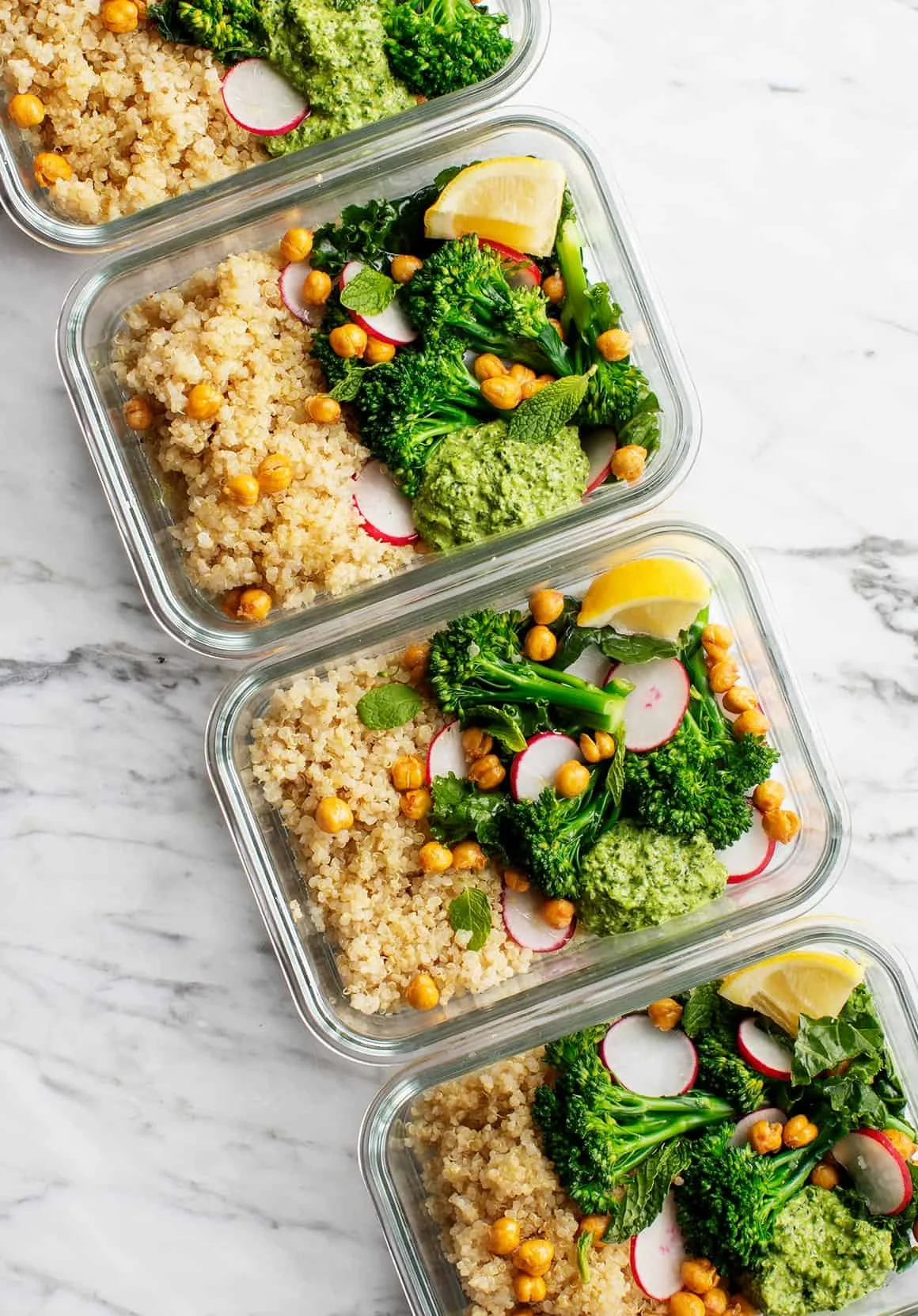
Protein plays a crucial role in maintaining fullness and supporting muscle health, especially in a low-carb diet. Lean meats such as chicken, turkey, and pork, along with eggs, nuts, and seeds, make excellent protein sources. Selecting these ingredients helps prevent excessive reliance on carbohydrates and ensures that meals are satisfying and nutritionally balanced.
Vegetable Choices for Variety and Nutrition
Non-starchy vegetables provide vital vitamins, minerals, and fiber without significantly increasing carbohydrate intake. Greens like spinach, kale, and arugula, along with other colorful vegetables such as tomatoes, bell peppers, and cauliflower, add richness and texture to meals. Including these veggies encourages a diverse nutrient profile and keeps meals interesting.
Healthy Fats and Flavor Enhancers
Incorporating healthy fats from plant-based oils, avocado, and low-fat dairy not only helps maintain satiety but also enhances the flavor and texture of dishes. Using fresh herbs and spices adds brightness without extra carbs. Avoiding overpowering or flavor-heavy oils ensures the natural tastes of the main ingredients shine through.
Step-by-Step Guide to Meal Prepping Low-Carb Dinners
Planning Your Weekly Menu
Start by outlining a menu that balances protein, vegetables, and healthy fats while keeping net carbohydrates within a target of 25 grams or less per dinner serving. Including recipes that are veggie-heavy with solid protein sources helps maintain fullness and nutrition. Planning ahead prevents last-minute reliance on higher-carb convenience foods and ensures variety throughout the week.
Grocery Shopping Tips for Efficiency
Efficient grocery shopping reduces both the time and effort required for meal prep. Focus on fresh produce like non-starchy vegetables and lean proteins, while also selecting low-carb substitutes such as cauliflower rice or zucchini noodles in place of traditional high-carb ingredients. Avoid over-purchasing items that may lead to waste, and consider how ingredients can be used across multiple recipes to maximize utility.
Batch Cooking Techniques
Batch cooking is a powerful method to speed up meal prep. Preparing large quantities of proteins and vegetables at once allows for portioning and storing meals that reheat easily. Techniques like roasting multiple trays of vegetables or slow-cooking proteins simplify cooking and create a stockpile of meals. Utilizing sheet pans or slow cookers can reduce cleanup time and effort, making this approach well-suited for busy weeknights.
Top 5 Easy Low-Carb Dinner Recipes for Busy People
Zucchini Noodles with Pesto and Grilled Chicken
Zucchini noodles serve as a versatile low-carb alternative to traditional pasta, delivering texture and volume. Tossed with a homemade pesto rich in healthy fats and paired with grilled chicken, this dish offers balanced nutrition and vibrant flavors. Using a Y-shaped vegetable peeler to create zucchini ribbons can simplify preparation while keeping the carb count low.
Cauliflower Rice Stir-Fry
Cauliflower rice is an excellent substitute for white rice, providing fiber and a mild flavor that complements a variety of stir-fry ingredients. Combining it with colorful vegetables, lean meats, and aromatics like garlic and ginger results in a filling yet low-carb dish. Customizing with preferred veggies or opting for vegetarian versions enhances versatility for different tastes and dietary needs.
Baked Salmon with Asparagus
Baked salmon seasoned with fresh herbs such as thyme paired with roasted asparagus offers a quick, nutrient-packed meal. This dish highlights protein and healthy fats while keeping carbohydrates minimal. The simplicity of preparation and cleanup makes it an ideal choice for hectic evenings.
Stuffed Bell Peppers with Ground Turkey
Using bell peppers as edible containers for seasoned ground turkey and low-carb ingredients provides a colorful and satisfying dinner. This recipe allows for creativity in seasoning and adds vegetables to the mix, supporting balanced nutrition while adhering to carb targets.
Eggplant Lasagna
Replacing traditional pasta layers with thinly sliced eggplant reduces carbohydrates significantly while delivering a rich, hearty dish. Combined with ricotta or feta cheese and flavorful herbs, eggplant lasagna maintains familiar tastes with a healthier twist. This flavorful casserole can be prepared in advance and heated quickly.
Storage and Reheating Best Practices
Proper storage preserves both food quality and safety. Meals should be cooled before storing in airtight containers to maintain freshness. Labeling containers with dates helps track meal rotation. When reheating, complete thawing is important for even warming, and using moderate heat prevents drying out or overcooking the dishes. Storing meals in single-serving portions aids convenience and portion control, making weeknight dinners easier to manage.
Common Challenges and How to Overcome Them
A common pitfall is the assumption that all carbohydrates are harmful, leading to complete elimination and potential nutrient deficiencies. It is important to differentiate between simple and complex carbohydrates and include those rich in fiber and vitamins, such as non-starchy vegetables and certain fruits. Some may overuse strong oils or too many eggs in recipes, which can overpower flavors or affect texture negatively. Balancing protein and healthy fats is crucial to maintaining satiety in a low-carb approach. Overcoming these challenges involves incorporating a variety of ingredients, practicing moderation, and employing creative cooking hacks like swapping high-carb staples with lower-carb alternatives such as lettuce wraps or zucchini slices.


