
Introduction to Sourdough Starter
What is a Sourdough Starter?
A sourdough starter is a simple mixture of flour and water that captures wild yeast and bacteria from the environment. This living culture serves as the natural leavening agent for sourdough bread, allowing the dough to rise without commercial yeast. Over time, the starter develops a symbiotic community of microbes that create the signature tangy flavor, airy texture, and complex aroma unique to sourdough breads. Unlike store-bought yeast, a starter is a living, evolving organism that needs regular care and feeding.

Benefits of Making Your Own Starter
Starting your own sourdough culture is an incredibly rewarding process. Not only does it save money over commercial yeast, but it also gives you full control over your bread’s flavor and texture. Homemade starters develop unique characteristics based on your local environment, flour choice, and maintenance routine. Beyond baking, a starter connects you to an ancient tradition of bread making, offering a sustainable and natural approach. Plus, once established, your starter becomes an ongoing source of fresh, natural yeast, ready whenever you want to bake.
Essential Ingredients and Tools
Flour Types Explained
Choosing the right flour is key to jumpstarting your starter’s health. Whole wheat flour is often recommended at the beginning as it contains more nutrients and wild yeasts naturally found in the bran. This helps kickstart fermentation. After a few days, many bakers switch to unbleached all-purpose or bread flour to develop a more consistent rising power. Bread flour, with its higher protein content, supports stronger gluten formation and better dough structure, while all-purpose flour creates a more tender crumb.
Water Quality and Its Impact
Water quality plays a surprisingly important role in sourdough fermentation. Chlorine and chloramine, commonly found in tap water, can inhibit the growth of the wild yeast and bacteria your starter needs. Using filtered water, bottled water, or tap water left out overnight to evaporate chlorine ensures your starter thrives. If your city uses chloramine, which doesn’t evaporate easily, opting for bottled or filtered water is best. Maintaining this quality avoids a sluggish starter and encourages vibrant fermentation.
Required Equipment for Success
To create and maintain a healthy starter, you don’t need anything fancy. A few glass jars or Weck jars with at least five inches of headspace work best, as they allow you to watch the bubbling and rising activity. A digital kitchen scale is essential for accurate measuring of flour and water, ensuring your hydration levels stay consistent. Cover your jar loosely with a cloth or a lid that isn’t airtight to allow airflow while keeping the environment moist. Other helpful tools include a rubber band to mark the starter’s rise and a warm spot or proofing box to maintain optimal temperature around 75 to 80°F.
Day 1: Creating Your Starter
Measuring and Mixing Techniques
Starting your sourdough is simple but requires precision. Begin by weighing equal parts flour and water—commonly 50 grams of each—to ensure a 1:1 hydration ratio. Mixing with a fork until the starter becomes smooth and pasty helps incorporate air and evenly hydrate the flour. Using a digital scale here avoids mistakes that measuring cups often cause, leading to inconsistent dough behavior. After stirring well, scrape the mixture into your clean jar, cover lightly, and mark the level with a rubber band.
Tips to Encourage Fermentation
Fermentation is all about patience and creating the right environment. Place your jar in a warm spot, ideally around 75°F, to give the wild yeast a comfortable home. Covering the jar loosely allows oxygen in while maintaining moisture. If the temperature is cooler, using a warm oven with the light on, a yogurt maker, or a dedicated dough proofer can help maintain steady warmth. Resist the urge to stir repeatedly—stirring once or twice a day is enough to oxygenate and distribute microbes.
The Feeding Process: Establishing a Routine
When and How to Feed Your Starter
Feeding your starter regularly is essential for its health and rising power. Typically, every 24 hours is a good starting point. This involves discarding about half of the starter and refreshing the remainder with equal weights of flour and water to maintain the 1:1:1 ratio. This routine avoids overgrowth of harmful bacteria and promotes lively yeast activity. Consistent feeding times create a predictable fermentation cycle, helping your starter to develop bubbles and double in size usually within 2 to 12 hours, depending on temperature.
Signs Your Starter is Healthy
A vibrant sourdough starter bubbles actively, has a pleasant tangy smell, and doubles in volume within its feeding cycle. The surface should be aerated, and you might sometimes notice a thin layer of brown liquid known as “hooch”—a sign it’s hungry and ready to be fed. A healthy starter passes the float test, where a small spoonful floats in water due to trapped gas bubbles. Consistency is key—once your starter reliably rises and smells fresh, it’s ready for baking and can be maintained long term with routine feedings.
Troubleshooting Common Issues
What to Do If Your Starter Smells Bad
It’s common to worry if your starter emits unpleasant odors. A sour smell with mild tanginess is normal, but overly sharp or rotten smells suggest something went wrong. Often, improper feeding schedules or too warm temperatures cause imbalance. If you catch a bad smell early, try discarding more of the starter before feeding, increase the feeding frequency, and ensure your workspace and utensils are clean. Patience is important as the initial microbial community stabilizes over the first couple of weeks.
Dealing with Mold and Discoloration
Mold can sometimes appear as fuzzy spots, pink streaks, or unusual colors on your starter’s surface. This is a sign of contamination and means you should discard the starter and start fresh. Avoid using metal containers or utensils, as these might react and encourage spoilage. Maintaining cleanliness, storing in glass jars, and keeping the starter covered yet breathable drastically reduce mold risk. If you see hooch—a harmless brown liquid—it’s usually fine; just stir it back in and feed immediately.
Maintaining and Using Your Starter
Long-Term Storage Options
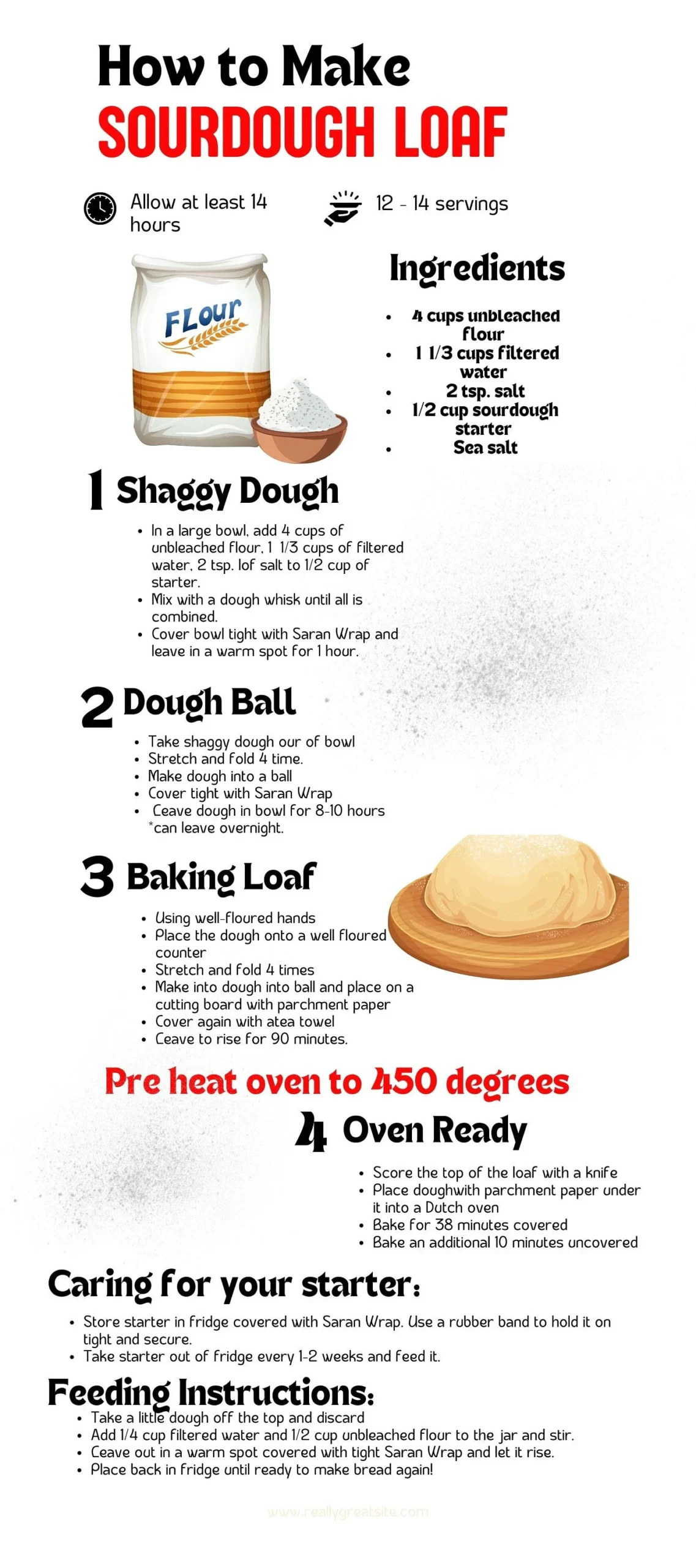
Once your starter is mature and active, you can adjust its maintenance based on your baking frequency. For daily baking, keep your starter at room temperature and feed daily. When baking less often, storing it in the refrigerator helps slow fermentation and preserves its health, requiring weekly feedings. Before baking, remove the starter from the fridge, feed it, and give it time to become bubbly and lively again. This flexibility lets you enjoy sourdough bread whenever you like without constant maintenance.
How to Incorporate Starter Into Recipes
Using your starter in bread dough is straightforward once it’s active. Typically, sourdough recipes call for a portion of starter mixed with water, flour, salt, and sometimes olive oil for a soft crumb and crisp crust. Many bakers use an autolyse step—mixing flour and water and resting the dough for 30 to 60 minutes before adding starter or salt—to develop gluten and improve dough handling. Adding inclusions like seeds or herbs is best done after this rest. Accurate weighing and a flexible baking schedule ensure consistent, delicious results with your homemade starter.


