
Understanding Lower Back Pain and Its Causes
Common Reasons for Morning Stiffness
Waking up with lower back pain and stiffness is a frequent problem that can disrupt the start of your day. This discomfort often stems from factors such as a sedentary lifestyle, which limits muscle activity and flexibility. Repetitive motions or even sleeping in an awkward position can also place undue stress on the lower back region. Additionally, underlying health conditions like kidney stones or acute pancreatitis might contribute to the pain, complicating the situation for many individuals. Pulled muscles from sudden movements or improper lifting can intensify this stiffness, making mornings particularly challenging.
How Stretching Benefits Lower Back Health
Stretching in the morning offers a gentle way to relieve tension and improve flexibility in the muscles surrounding the lower back. By elongating tight muscles and enhancing circulation, stretches help reduce stiffness and prepare the body for daily activities. Regular stretching not only promotes muscle balance but may also prevent further injury by increasing overall mobility. Incorporating targeted stretches can create a soothing routine that addresses pain, encourages relaxation, and supports long-term back health.
Essential Preparations Before Starting Your Stretching Routine
Setting Up a Comfortable Space at Home
Before beginning a stretching routine, creating a comfortable and quiet environment is key. Choose a spot with enough room to move freely, preferably on a supportive surface like a yoga mat or carpeted floor. Adding cushions or towels can provide extra support, especially if you experience discomfort while positioning yourself during stretches. Ensuring adequate lighting and a calm atmosphere will also help you focus on your body’s movements and breathing, enhancing the overall effectiveness of your routine.
Recommended Warm-Up Techniques
Starting with a brief warm-up is essential to prepare your muscles and joints for stretching without causing strain. Gentle movements like walking in place or slow marching can increase blood flow to the lower back area. Incorporating light dynamic motions such as pelvic tilts can activate the core muscles and promote flexibility. These gradual warm-ups help transition your body from rest to activity, reducing the risk of injury and making each stretch more comfortable.
Top 5 Morning Stretches to Soothe Lower Back Pain
Child’s Pose
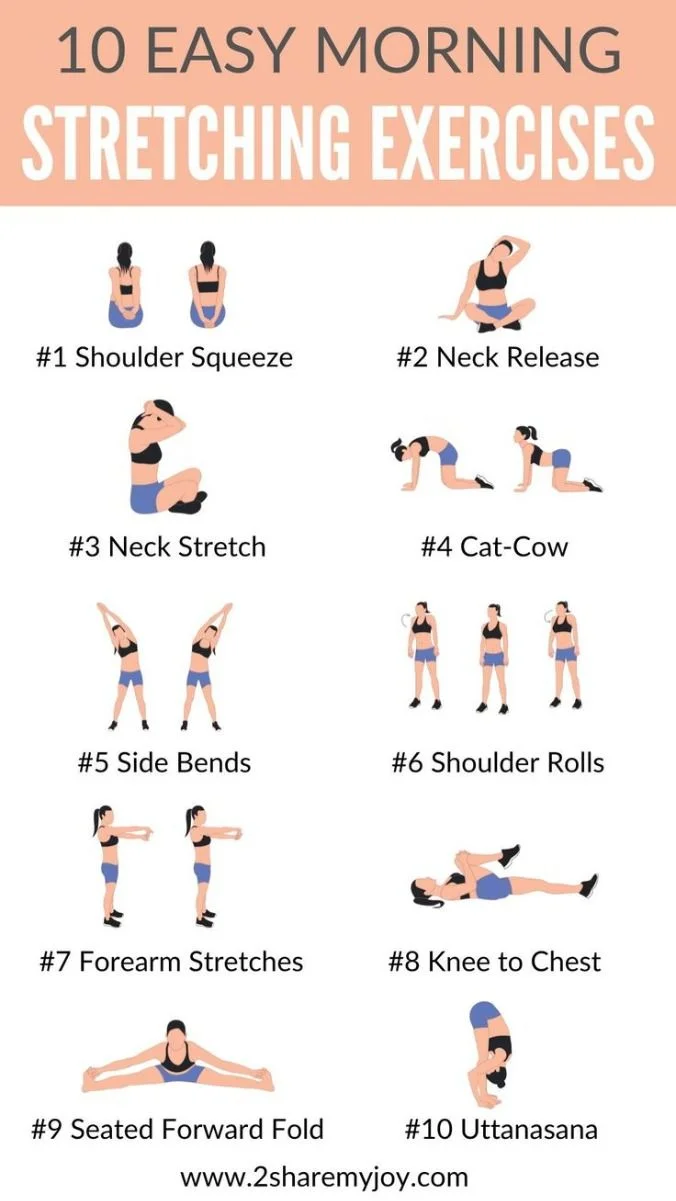
The Child’s Pose is a foundational yoga stretch that gently lengthens the spine and relaxes the lower back muscles. Its forward-folding position encourages a soothing stretch while promoting deep breathing and relaxation. Performing this stretch multiple times during your routine, including breaks between other stretches, can effectively reduce tension. It also allows you to listen to your body’s signals, adjusting the depth of the pose according to your comfort level.
Knee-to-Chest Stretch
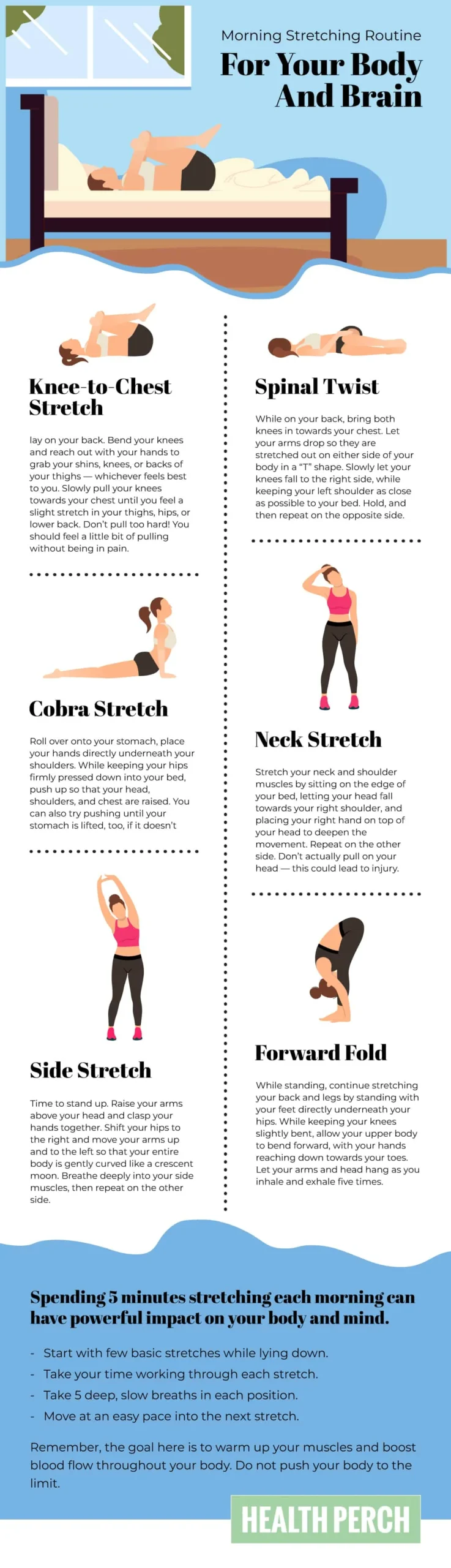
This stretch targets the muscles in the lower back and hips by gently drawing one or both knees toward the chest. It helps relieve tightness caused by prolonged sitting or limited movement. By holding the knees close, you can create a mild traction effect on the spine, alleviating pressure. Modifications, such as performing the stretch one leg at a time, can accommodate different flexibility levels and increase comfort.
Cat-Cow Stretch
The Cat-Cow stretch is a dynamic movement that flexes and extends the spine, promoting mobility and easing stiffness. It alternates between arching the back upward (Cat) and dipping it downward (Cow), which mobilizes the vertebrae and activates the core muscles. For those with wrist or knee sensitivities, adjustments in hand and knee placement can prevent discomfort while maintaining the benefits of this stretch. This fluid motion also encourages mindful breathing, enhancing relaxation and focus.
Seated Spinal Twist
This stretch works to increase spinal flexibility and release tension in the lower back and surrounding muscles. By twisting the torso while seated, it promotes gentle rotation of the spine. Keeping the legs straight can enhance comfort, and adding subtle neck rotations may provide an additional stretch. Proper breathing throughout the movement supports effective muscle release and prevents strain.
Hamstring Stretch
Tight hamstrings are often a hidden contributor to lower back pain, as they influence pelvic alignment and spinal posture. A gentle hamstring stretch, performed sitting or lying down, lengthens these muscles to reduce pull on the lower back. Care should be taken to avoid overstretching by moving slowly and stopping when a comfortable tension is felt. Supporting the stretch with props like a towel can provide extra ease for beginners or those with limited flexibility.
Designing Your Personalized Stretching Flow
Timing and Frequency for Optimal Results
Establishing a consistent routine is crucial for meaningful improvement in lower back comfort. Stretching once or twice daily in the morning ensures that muscles gradually become more flexible and less prone to stiffness. Each stretch can be held for around 20 to 30 seconds, allowing sufficient time for muscle relaxation. However, it is important to remain attentive to any changes in pain or soreness, taking rest days when necessary to avoid overworking the muscles.
Combining Stretches for Balanced Relief
Integrating various stretches that target different muscle groups around the lower back creates a balanced approach to relief. Alternating between forward bends like Child’s Pose and rotational movements such as the seated spinal twist addresses multiple areas of tension. Including stretches that focus on supportive muscles, like hamstrings and the piriformis, helps promote overall stability. Listening to your body when sequencing these stretches allows for modifications and ensures that the routine remains safe and effective.
Additional Tips to Support Lower Back Health
Posture Considerations Throughout the Day
A common cause of lower back pain is poor posture sustained over long periods. Awareness of how you sit, stand, and move throughout the day can help reduce undue stress on your spine. Maintaining a neutral spine alignment, using ergonomic furniture, and taking breaks to stand or walk can alleviate muscle tension. These habits complement your stretching routine and contribute to maintaining a healthier lower back.
Incorporating Strengthening Exercises
While stretching relieves tightness, strengthening exercises play an important role in supporting the lower back by building muscle resilience. Exercises focused on the core and lower back muscles enhance stability and reduce the likelihood of injury. Incorporating gentle strengthening movements alongside your stretching routine can promote better posture and functional movement. Always approach new exercises cautiously and consider professional guidance if you are unsure where to start.


