
Introduction to Weekly Meal Prep for Weight Loss
Understanding Balanced Nutrition
Imagine Sarah, a busy professional juggling work and family, wanting to lose weight without sacrificing her health. She quickly realized that understanding balanced nutrition was key. Balanced nutrition means consuming the right proportions of macronutrients—carbohydrates, proteins, and fats—while also getting enough vitamins and minerals from fruits, vegetables, and whole grains. This approach fuels the body properly, making weight loss more sustainable and less about deprivation. It’s not just about eating less but eating smarter.
Benefits of Meal Prepping for Weight Management
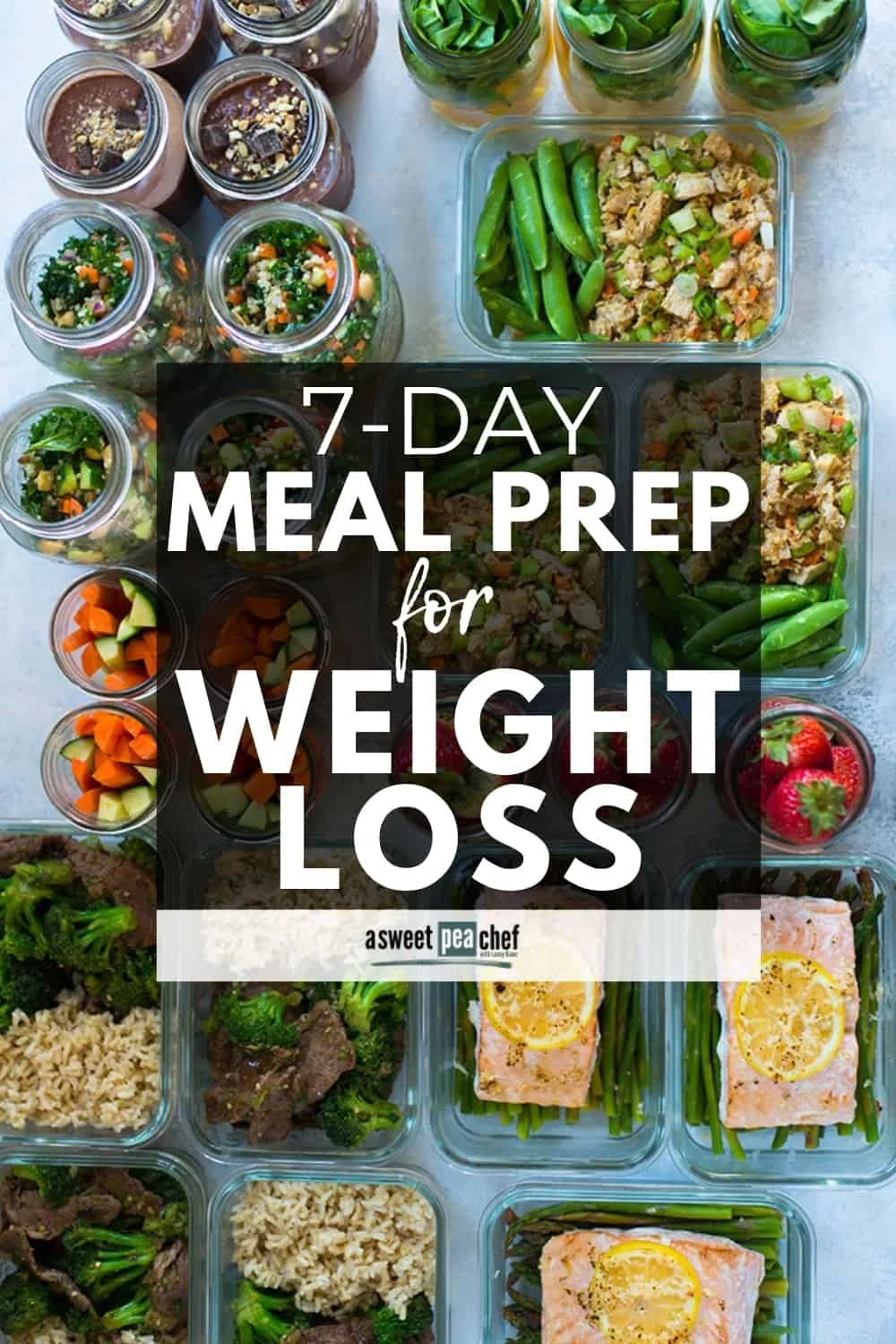
Meal prepping offers Sarah a way to stay on track with her goals amid her hectic schedule. By preparing meals ahead, she controls portion sizes, reduces impulsive eating, and saves time. Meal prepping curbs unhealthy snacking and overeating, key barriers to weight loss. It also introduces variety and balance, which prevent boredom and discourage falling back into old habits. For many, like Sarah, this proactive strategy turns weight management from a daily struggle into a manageable routine.
Step 1: Setting Realistic Nutrition and Weight Loss Goals
Calculating Caloric Needs
Before Sarah started her weekly meal prep, she needed to understand how many calories her body required. A common pitfall is jumping into very restrictive diets, such as a 1,200-calorie plan, which can feel punishing and unsustainable. Instead, Sarah used her activity level and basal metabolic rate to determine a more tailored calorie target—closer to 1,500 calories—which allowed her to lose weight without feeling deprived. Consulting a healthcare professional helped her ensure this calorie range was safe and effective.
Macro and Micro Nutrient Targets
Setting goals beyond calories, Sarah focused on her macronutrient breakdown. She aimed for lean proteins to keep her full, fiber-rich vegetables for digestion, and healthy fats to support brain function. Micronutrients, like iron and vitamin C, were also important to keep her energy levels stable. By aligning her meal plan with these nutrient targets, Sarah ensured her body was nourished even as she trimmed calories, making her weight loss journey healthier and more enjoyable.
Step 2: Planning Your Weekly Menu
Choosing Nutrient-Dense Ingredients
Sarah’s menu planning began with picking nutrient-dense ingredients that delivered maximum benefits without extra calories. She favored leafy greens, colorful vegetables, lean chicken, beans, and whole grains. For example, swapping white rice for quinoa added protein and fiber, making meals more satisfying. This approach helped her feel full longer, reducing cravings between meals and supporting her weight loss goals.
Incorporating Variety to Prevent Meal Fatigue
One challenge Sarah faced was avoiding meal fatigue—getting bored with eating the same thing repeatedly. To combat this, she mixed flavors and textures weekly. One day, she prepared a Mediterranean chicken salad; the next, a stir-fry with tofu and vegetables. By rotating protein sources and including seasonal vegetables, her meals stayed interesting and enjoyable. This variety kept her motivated, demonstrating that healthy eating doesn’t have to be monotonous.
Step 3: Grocery Shopping Strategies
Creating an Efficient Shopping List
With her menu planned, Sarah crafted a detailed shopping list organized by food groups and aisle sections to streamline her store visits. This minimized impulse buys and ensured she bought only what she needed. Lists organized by meal or day helped her stay focused, preventing food waste. An efficient list not only saved Sarah money but also reinforced her commitment to her meal prep plan.
Tips for Budget-Friendly and Healthy Purchases
Meal prepping can seem costly, but Sarah found ways to shop smartly. She chose frozen vegetables when fresh ones were pricier, bought bulk grains, and shopped for sales on lean proteins. Local farmers’ markets offered fresh produce at better prices when in season. These strategies proved that eating nutritious meals on a budget was achievable, helping Sarah maintain her plan without financial stress.
Step 4: Meal Prep Techniques and Tools
Batch Cooking vs. Individual Meals
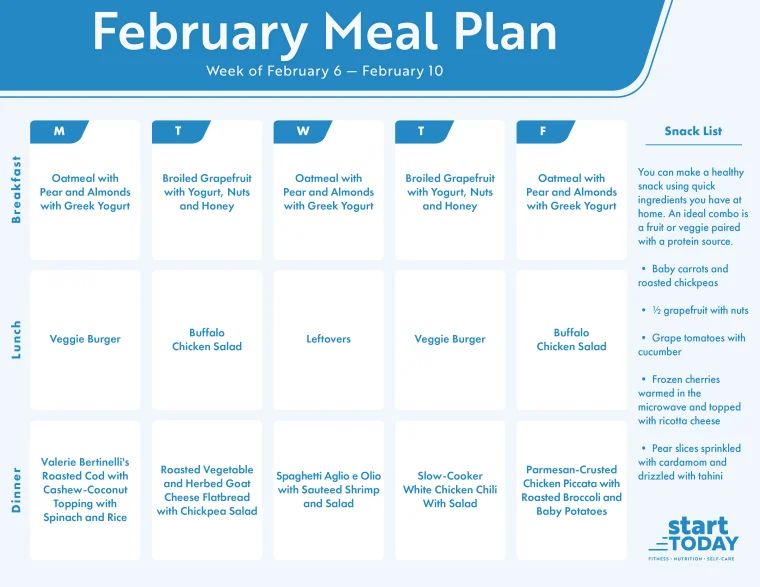
Sarah experimented with both batch cooking large amounts of a single meal and preparing individual meals with variety. Batch cooking a big pot of chili saved time during weekends, while preparing separate lunches and dinners allowed her to enjoy different tastes. She found a balance that suited her lifestyle: batch cooking staples like grains and proteins, then pairing them differently throughout the week to keep things fresh.
Essential Kitchen Tools for Meal Prep
Having the right tools simplified Sarah’s meal prep tremendously. She invested in good-quality containers that were microwave and freezer safe, a set of measuring cups for portion control, and a slow cooker that helped her prepare meals hands-free. Sharp knives and sturdy cutting boards made chopping easier and safer, while a food scale ensured her portions matched her calorie targets. These tools turned meal prep from a chore into a manageable, even enjoyable activity.
Step 5: Portion Control and Storage Solutions
Measuring Servings for Weight Loss
To avoid overeating, Sarah carefully measured servings using her food scale and measuring cups. This was vital as even healthy foods can contribute to weight gain if portions are too large. She learned to recognize what a balanced plate looked like: half vegetables, a quarter protein, and a quarter complex carbs. This visual guide helped her maintain control without constant measuring once she felt confident.
Safe and Convenient Food Storage Tips
Sarah ensured her meals stayed fresh and safe by adopting proper storage methods. She labeled containers with dates and rotated older meals to the front of the fridge or freezer. Dividing meals into individual portions prevented overeating and simplified grab-and-go mornings. Keeping some staples frozen allowed her to replenish her supply quickly. This organization minimized waste and maintained the quality of her meals throughout the week.
Maintaining Motivation and Adapting Your Meal Plan
Tracking Progress and Adjusting Portions
Sarah kept a simple journal of her meals and how she felt each day, which helped her notice patterns like energy dips or cravings. This feedback allowed her to tweak portion sizes or add an extra ounce of protein if she felt unsatisfied after meals. Over time, she adapted her plan to support her changing activity levels and goals, proving that flexibility was as important as consistency in sustaining weight loss.
Incorporating Flexibility and Occasional Treats
One weekend, Sarah attended a birthday party and enjoyed her favorite cake without guilt. She realized that including occasional treats in her plan made her journey more realistic and sustainable. Rather than striving for perfection, she embraced balance and enjoyed social occasions. This approach prevented feelings of deprivation and kept her motivated to return to her meal prep routine the next day.
Conclusion: Long-Term Success with Weekly Meal Prep
Sarah’s story illustrates how creating a thoughtfully designed weekly meal prep plan can support balanced nutrition and weight loss sustainably. Starting with realistic goals, choosing nutrient-rich foods, planning menus, and using smart shopping and cooking strategies all contributed to her success. By measuring portions carefully, storing meals properly, and adapting when needed, Sarah built a flexible plan that fit her lifestyle. Meal prepping became not just a weight-loss tool but a pathway to lifelong healthy habits. With patience and practice, anyone can transform weekly meal prep from a task to a powerful ally in achieving lasting wellness.


