
Understanding Urban Composting Challenges
Common Obstacles in Small Space Composting
Urban gardeners face several challenges when composting in limited spaces. The lack of traditional backyard space makes it difficult to accommodate large compost bins, which can also become eyesores in small gardens. Composting areas close to living spaces often lead to unpleasant odors, especially in hot weather where decomposition accelerates. Additionally, improper management can attract pests and varmints, further complicating the composting process. Many small urban gardens struggle with maintaining the right balance of moisture, aeration, and material types, which are critical for effective composting.
Why Backyard Space is Typically Needed
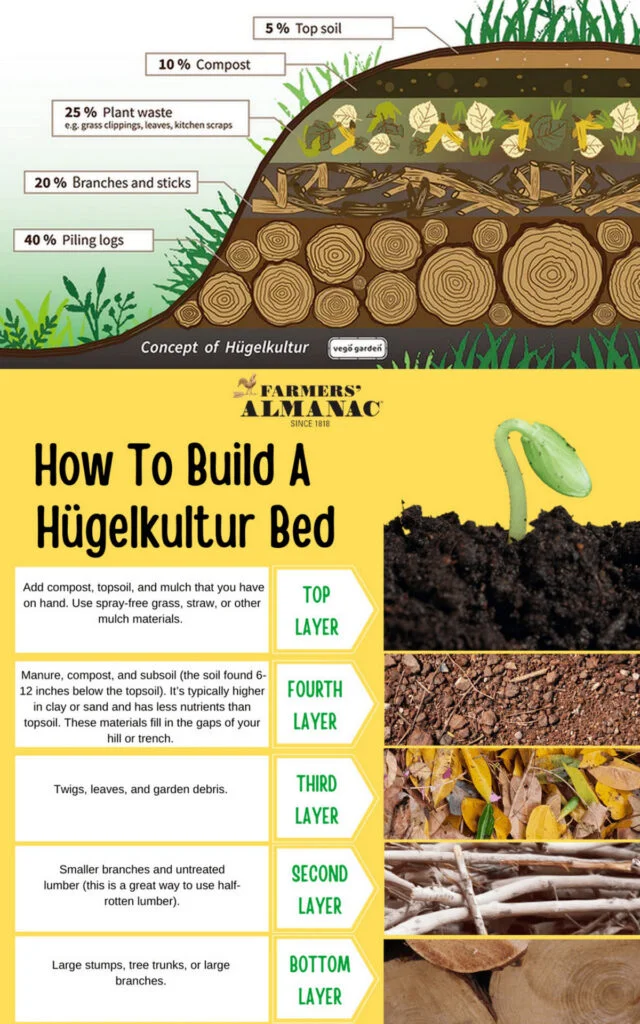
Backyard space traditionally provides ample room for setting up compost piles or bins that support proper aeration, heat retention, and moisture control. The larger area allows gardeners to separate green (nitrogen-rich) and brown (carbon-rich) materials easily and to turn the compost regularly to avoid anaerobic conditions. Furthermore, the space permits storing bulky materials like leaves and twigs and burying composting systems deeply enough to avoid visibility and odors. Without backyard space, these essential conditions are challenging to meet, necessitating alternative composting methods tailored for confined urban environments.
Choosing the Right Composting Method for Urban Areas
Vermicomposting: Using Worms Indoors
Vermicomposting is an ideal solution for urban gardeners who want to compost indoors. This method uses red wiggler worms to break down kitchen scraps efficiently within temperature-controlled environments such as under sinks, closets, or garages. Vermicomposting bins are compact and odor-free when managed properly, providing nutrient-rich castings that improve soil health. Reducing the composting process to worm action removes the need for large piles and frequent turning, making it perfect for limited spaces.
Compost Tumbler Benefits and Setup
Compost tumblers are enclosed rotating containers that simplify aeration and help control odors, making them suitable for small urban spaces. These containers protect compost from pests and speed up decomposition by allowing easy turning without lifting. Setting up a compost tumbler involves choosing a size appropriate for your waste volume, placing it in a well-drained, accessible spot, and layering green and brown materials in roughly equal ratios. Regular rotation, about once a week, promotes oxygen flow and helps maintain moisture levels.
Bokashi Fermentation: A Compact Solution
Bokashi composting uses anaerobic fermentation inside sealed buckets to process kitchen scraps, including meat and dairy products that traditional composting excludes. This method is especially beneficial for urban gardeners with limited space and neighborhood restrictions on smells and pests. The process involves adding food scraps to a Bokashi bucket, pressing out air, and fermenting for two to four weeks. The resulting material can then be buried in soil or added to vermicomposters for further breakdown, offering a convenient and odor-controlled composting option.
Step-by-Step Guide to Starting a Small-Space Compost Bin
Materials and Containers Suitable for Indoors
Choosing the right materials and containers is essential for successful urban composting. Suitable options include:
- Stackable planter boxes or pots at least 30 cm deep to allow proper decomposition.
- Small-scale composting cylinders like the Composting Cannon, buried discreetly in pots or planter boxes.
- Rotatable compost tumblers for easy aeration and pest control.
- Vermicomposting bins with lids designed to keep out pests and maintain moisture.
- Bokashi buckets with tight-sealing lids for anaerobic fermentation.
Start with a 4-6 inch layer of bulky brown materials such as dry leaves or shredded paper at the bottom to absorb excess moisture and enhance airflow.
Managing Odors and Pests in Urban Settings
To minimize odors and pests in urban composting, follow these guidelines:
- Avoid adding meat, dairy, fats, oils, and large amounts of cooked food, which attract rodents and generate strong smells.
- Maintain a proper balance of green and brown materials to prevent anaerobic conditions causing odors.
- Use mesh or secure lids on compost containers to keep varmints away.
- Bury compost materials or use enclosed bins to reduce odor escape.
- Regularly aerate the compost to maintain oxygen levels and control decomposition rate.
- Keep compost moist but not waterlogged to limit anaerobic decomposition.
- Place compost containers in well-ventilated, shaded areas away from living spaces.
Optimizing Your Compost for Urban Garden Use
Mixing Green and Brown Materials Effectively
Achieving the right carbon-to-nitrogen ratio is fundamental for efficient composting in small spaces. Green materials include fresh kitchen scraps, grass clippings, and coffee grounds, which provide nitrogen. Brown materials such as dry leaves, cardboard, shredded paper, and twigs supply carbon. Aim for a ratio of approximately 1:1 or 2:1 brown to green by volume to balance moisture and nutrient content. Incorporate mulch or shredded paper as dry matter to absorb excess moisture and improve aeration.
Turning and Aeration Best Practices
Proper aeration prevents anaerobic conditions that cause bad smells and slow decomposition. In small urban setups, turning compost weekly is recommended. For vermicomposting, gently fluff the bedding without disturbing worms excessively. Compost tumblers simplify aeration through rotation. If manual turning is not feasible, layering materials to allow air pockets and avoiding overly compacted piles can help maintain oxygen flow. Maintaining moisture at a level where compost feels like a wrung-out sponge is also vital for healthy microbial activity.
Innovative Tips for Space-Conscious Gardeners
Utilizing Vertical and Balcony Spaces
Maximize limited urban garden space by adopting vertical and balcony composting strategies:
- Use stackable compost bins or vertical planters with integrated composting features.
- Install composting cylinders or small bins on balconies with drainage to avoid messes.
- Grow plants in planter boxes that incorporate buried composting systems like the Composting Cannon for root nourishment.
- Utilize hanging worm bins or small, enclosed vermicomposting containers to save floor space.
Community Composting Initiatives
Participating in community composting programs is an excellent alternative for urban gardeners lacking space. Many cities offer municipal composting services, drop-off points, or neighborhood co-ops that collect organic waste. Engaging with local or online communities can also provide creative ideas and shared resources. Advocating for community compost bins in apartment complexes or urban plots helps recycle organic matter effectively and build greener neighborhoods.
Tracking Success: Signs of Healthy Compost
Visual and Smell Indicators
Healthy compost exhibits several clear signs:
- A rich, dark brown or black color indicating full decomposition.
- A crumbly texture similar to soil, free of large unbroken pieces.
- A pleasant earthy smell without sour or rotten odors.
- Absence of visible pests such as flies or rodents.
- Warmth in compost piles indicating active microbial activity, especially in hot composting.
Knowing When Compost is Ready to Use
Compost is ready when it no longer resembles the original materials and has a uniform soil-like appearance and texture. Typically, this occurs after several weeks to a few months, depending on method and conditions. Screen the compost to remove any large, undecomposed pieces before application. Finished compost can then be incorporated into soil to improve fertility, structure, moisture retention, and plant growth, completing the sustainable gardening cycle in urban environments.


