
Understanding the Basics of Self-Watering Systems
What Is a Self-Watering System?
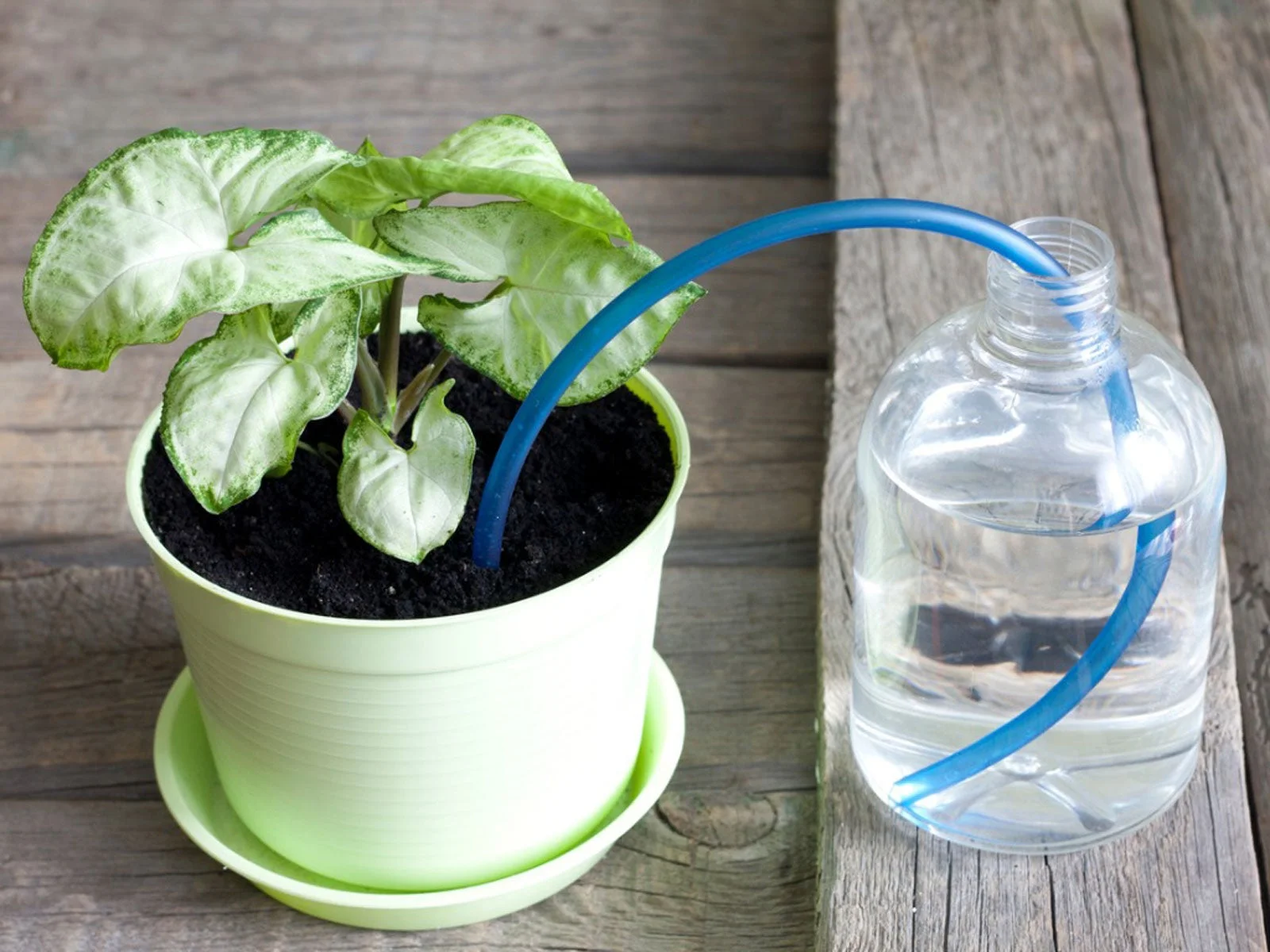
A self-watering system is a clever setup that allows your indoor plants to hydrate themselves without constant attention. It works by using a simple wicking method where water is drawn from a reservoir up into the soil through a cotton string or wick. This means your plants get just the right amount of moisture they need, even when you’re busy or away from home. Essentially, the plant decides when it’s time for a drink, preventing both under and overwatering.
Benefits of Using Self-Watering for Indoor Plants
One of the biggest advantages of a self-watering system is convenience. Maybe you travel frequently or have a hectic schedule that makes daily watering difficult. This system keeps plants hydrated smoothly during those times. It also creates less stress for your plants, since they’re not suddenly going dry or being flooded with water. Another plus? It’s great for new plant owners who aren’t quite sure how much water their plants need. The wicking system offers a gentle, consistent water supply that adapts to different types of plants, making it an all-around winner for indoor gardening.
Materials Needed for Your DIY Project
Essential Tools and Supplies
Starting your DIY self-watering system is straightforward. You’ll need a few basic supplies that you might already have at home. A container for water, which can be anything from a small bowl to a repurposed jar, is the heart of your reservoir. For the wick, use 100% cotton string or cut strips from an old cotton t-shirt—natural fibers are key because synthetic materials won’t absorb water properly. A simple paper clip helps keep the string submerged in the water, and you’ll want a stack of books or anything to elevate the water container. That’s pretty much it!
Choosing the Right Containers and Wicks
The container you choose depends on your plant’s size and how long you’ll be away. Smaller bowls work well for short trips, while larger jars or bottles serve better for longer stretches. When it comes to selecting your wick, avoid anything synthetic. Pure cotton is absorbent and allows a smooth flow of water. It’s also flexible enough to tuck into the soil without damaging roots. Make sure the container can be elevated above the plant to utilize gravity, which is essential for the water to move through the wick efficiently.
Step-by-Step Guide to Building Your Own Self-Watering System
Preparing the Plant Pot
Begin by pressing the cotton wick firmly into the soil near the plant’s roots. You want it about one to two inches deep to ensure it stays in place and delivers water where it matters most. Be gentle so you don’t disturb the plant too much. This step sets the foundation for effective watering. If the wick isn’t well anchored, it won’t be as effective at transferring water to your plant.
Setting Up the Water Reservoir
Next, prepare your water container. Fill it with clean water and tie a paper clip to one end of the wick to keep it submerged. Now, elevate this container on a stack of books or a small shelf above the plant’s pot. This positioning uses gravity to help pull the water down the string and into the soil. Make sure the setup is stable and won’t tip over easily. Positioning matters—a lower container means no water flow, so keep it higher than the pot to keep the system working efficiently.
Installing the Wick or Capillary System
Connect the wicking string from the water reservoir to the plant’s soil in a continuous, downward slope. It’s crucial there are no dips or loops in the string between the two points, as this can stop water from traveling upward. The string should be taut enough to maintain contact with both the water and soil, but not so tight that it risks snapping. Once set, test the system by ensuring the wick remains wet and water starts reaching the soil before you leave your plants on their own.
Tips for Maintaining and Troubleshooting
How to Monitor Water Levels Efficiently
Keeping an eye on your water reservoir is the easiest way to ensure your plants stay hydrated. Check the water level daily or every couple of days depending on how thirsty your plants are. It’s a good idea to fill the reservoir the day before leaving for a trip to give your plants immediate access to water and to confirm the system is working properly. Once you return, remove the wick carefully and wait about ten minutes before resuming your usual watering routine, allowing the plant’s soil to adjust naturally.
Common Issues and How to Fix Them
A few common problems can disrupt your self-watering system. One is having dips or sagging in the string between the water container and the plant. This creates pockets where water can’t travel up the wick, stopping the flow entirely. Always create a smooth, continuous downward slope for the wick. Another mistake is not elevating the water container. Without height, gravity can’t pull water through the string, and your plants will be left thirsty. If you notice dry soil despite the setup, double-check these two points first—they often solve the issue quickly.
Advanced DIY Variations to Customize Your Setup
Automated Sensor Integration
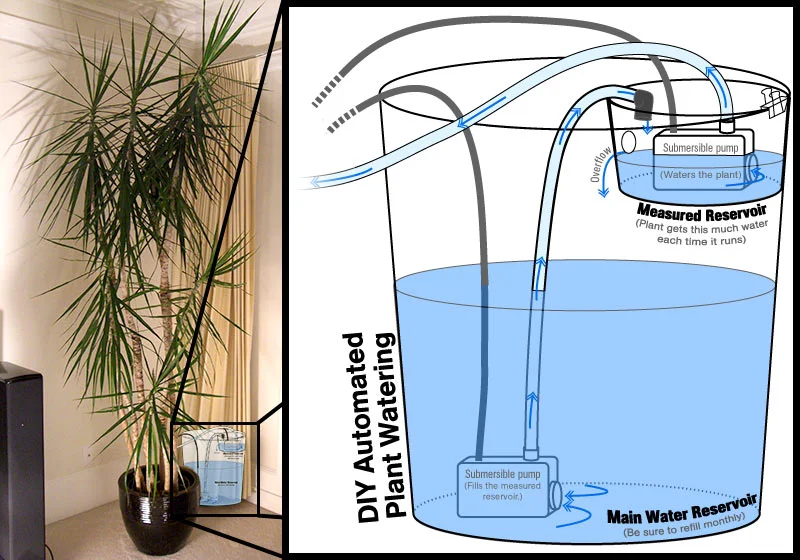
For those who want to take their self-watering system a step further, integrating moisture sensors and automated pumps can add convenience and precision. Sensors detect soil dryness and trigger a small pump to supply water from the reservoir only when needed. This high-tech twist reduces waste and ensures your plants receive customized care. While it requires basic electronics skills, it’s a fun way to marry gardening with technology.
Creative Recycled Materials for Eco-Friendly Systems
If you love upcycling, your self-watering system can be both sustainable and stylish. Old glass jars, tin cans, or plastic bottles easily become reservoirs. Instead of cotton string, natural fibers from old fabric scraps work splendidly. You can even set up several small bowls around your plants on a stack of books at home to keep them hydrated daily without fuss. Not only does this help the environment by reusing items, but it also adds a unique, personal touch to your indoor garden setup.


