
Understanding Clay Soil and Its Drainage Challenges
What Makes Clay Soil Different?
Clay soil is characterized by its fine particles, which are much smaller than sand or silt. This high clay content, often exceeding 50%, gives the soil a sticky texture when wet and makes it hard and compact when dry. Unlike sandy soils, clay particles pack tightly together, reducing the spaces that normally allow air and water to move freely. This unique structure impacts plant growth by limiting root expansion and nutrient uptake.
Common Drainage Issues in Clay Soils
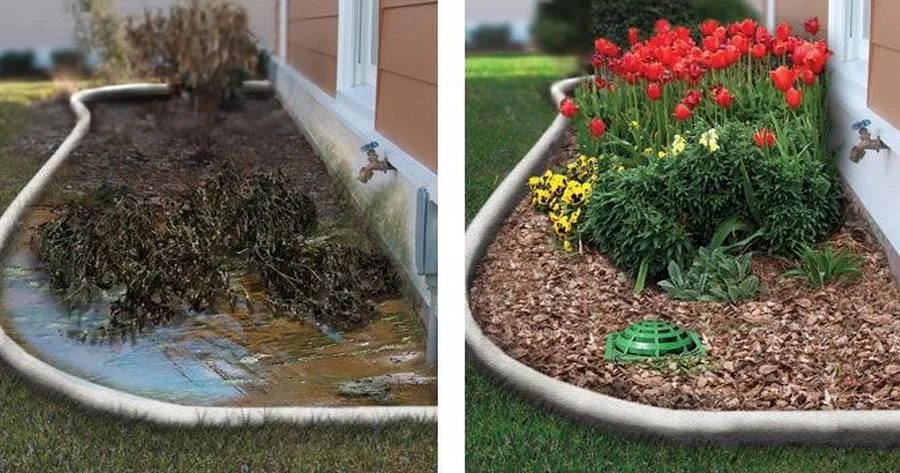
Drainage problems in clay soil arise primarily because of soil compaction and the dense arrangement of clay particles. These factors lead to:
- Poor water infiltration, causing water to pool on the surface or remain in the root zone for extended periods.
- Reduced oxygen availability for roots, affecting plant health and microbial activity.
- Increased risk of root rot and other moisture-related diseases due to prolonged wet conditions.
- Soils becoming hard and cracked when dry, further stressing plants.
Additionally, urban and suburban soils often experience altered conditions where topsoil is removed or compacted, further exacerbating drainage challenges and depleting organic matter essential for good soil structure.
Assessing Your Garden’s Drainage Situation
How to Perform a Drainage Test
Understanding your soil’s drainage capacity is the first step to improving it. A simple drainage test can help you observe how quickly water moves through your clay soil:
- Dig a hole about 12 inches deep and 12 inches wide in the area you want to test.
- Fill the hole with water and let it drain completely.
- Refill the hole with water and measure how long it takes for the water to drain.
- Ideal drainage rates are typically between 1 to 3 inches per hour. If the water takes longer to drain, your soil likely has drainage problems.
This test is a practical way to identify waterlogged spots and assess the severity of drainage issues in your backyard garden.
Identifying Waterlogged Areas
Waterlogged areas can cause serious issues for plants and soil health. Signs to watch for include:
- Standing water or pooling after rainfall or irrigation.
- Unusually lush or yellowing vegetation indicating stressed roots.
- Soil that feels heavy, sticky, and does not dry out over time.
- Presence of moss or algae, which thrive in wet conditions.
Pinpointing these areas allows targeted improvements and efficient use of resources to enhance drainage.
Effective Methods to Improve Drainage in Clay Soil
Soil Amendments: Organic Matter and Sand
Adding organic matter is the most effective way to enhance clay soil drainage. Organic materials such as compost, farm manure, or shredded leaves improve soil structure by creating aggregates that increase pore space for air and water movement. Key points include:
- Apply generous amounts of well-rotted compost annually to build soil health.
- Maintain organic matter levels above 2% to sustain improved drainage and microbial activity.
- Avoid adding sand in large quantities as it can worsen drainage by creating a concrete-like texture when mixed with clay.
- Gypsum should only be used if soil tests indicate calcium and sulfur deficiencies within the suitable pH range, not as a general clay soil improver.
Consistent addition of organic matter supports a living soil ecosystem, promoting beneficial microbes that aid in nutrient cycling and soil porosity.
Creating Raised Beds for Better Water Flow
Raised beds are an excellent solution for managing drainage in clay soils. By elevating the planting area, you improve water runoff and reduce waterlogging. Benefits include:
- Enhanced soil warming and aeration.
- Improved root growth environment due to less compaction.
- Ability to customize soil mix with high organic content for better structure.
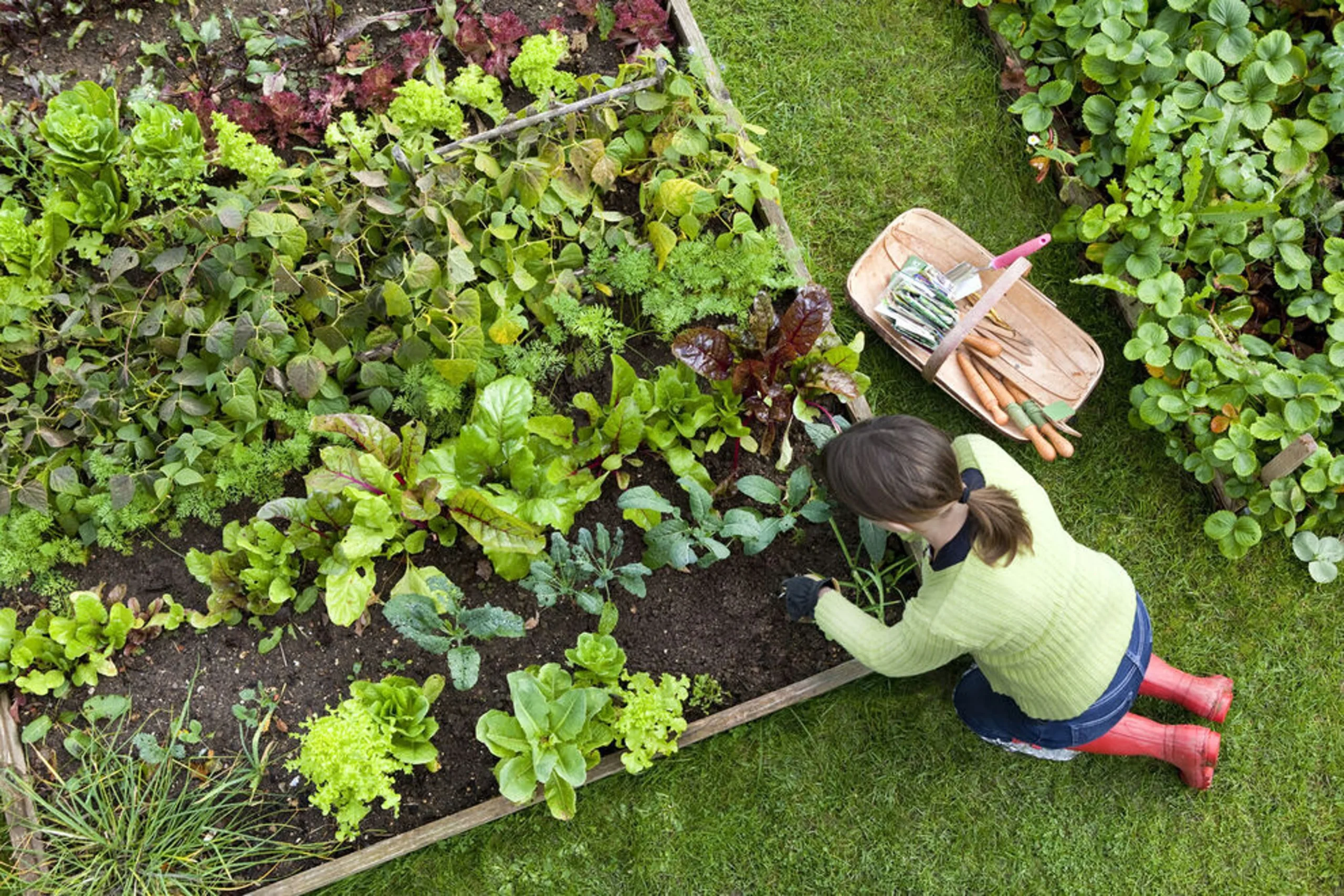
When constructing raised beds, ensure they are at least 6 to 12 inches high and filled with a well-draining soil mix. This approach provides a healthier foundation for plants in challenging clay soil conditions.
Installing French Drains and Other Drainage Systems
For gardens with severe drainage problems, installing engineered drainage solutions like French drains can be effective. A French drain typically consists of:
- A trench filled with gravel or rock.
- A perforated pipe that collects and redirects excess water away from the garden area.
Other drainage systems include dry wells, surface channels, and soakaways. These installations help manage water accumulation, preventing root damage and improving overall garden health. Always consider the garden’s layout and water flow patterns before installation.
Plant Selection and Garden Design for Clay Soil
Choosing Plants That Thrive in Moist Soils
Selecting plants adapted to moist, heavy soils reduces stress on your garden and improves success rates. Suitable plants for clay soils include:
- Perennials like astilbe, daylilies, and hostas.
- Shrubs such as dogwood, viburnum, and willows.
- Vegetables like cabbage, broccoli, and Brussels sprouts.
These plants tolerate heavier soils and occasional waterlogging while contributing organic matter and rooting structures that help improve soil drainage over time.
Strategic Planting to Enhance Drainage
Garden design plays a crucial role in managing water in clay soils. Consider these strategies:
- Use a mix of deep-rooted and shallow-rooted plants to break up compacted layers and enhance soil porosity.
- Plant cover crops or ground covers year-round to protect soil from erosion and maintain microbial health.
- Group water-loving plants in lower areas where water naturally collects to prevent damage to plants sensitive to wet feet.
These practices promote a more balanced ecosystem that supports healthy soil structure and drainage.
Ongoing Maintenance for Healthy Drainage
Seasonal Practices to Prevent Compaction
Maintaining good drainage requires regular care to avoid soil compaction and degradation. Seasonal tips include:
- Avoid walking on wet clay soil to prevent compaction.
- Use mulch to protect the soil surface and retain moisture without saturating it.
- Incorporate organic matter each fall or spring to renew soil structure.
- Plant cover crops during off-seasons to sustain soil life and prevent bare patches.
These practices sustain soil health and reduce the need for extensive remediation.
When to Reassess and Improve Drainage
Regular monitoring of your garden’s drainage is essential. Consider reassessing when:
- Heavy rains cause persistent water pooling or soil erosion.
- Plants show signs of stress such as yellowing leaves or poor growth.
- You notice increased soil hardness or surface crusting.
- Adding new plants that require specific drainage conditions.
Periodic soil tests including pH, nutrient levels, and organic matter content help guide ongoing amendments. Timely interventions ensure your backyard garden remains healthy and vibrant in clay soil conditions.


