
Understanding the Need for Window Insulation in Older Homes
Common Heat Loss Areas in Older Windows
Older windows often struggle to keep the cold out during winter and the heat at bay in summer. Drafts sneaking through gaps around window frames and sashes are frequent culprits. Over time, caulking can crack or deteriorate, opening tiny channels for air to escape or enter. Warped or uneven window frames don’t seal properly, allowing warm air inside your home to seep out. Additionally, condensation and moisture buildup on these older windows not only signals poor insulation but can also lead to mold growth and damage, making the problem multifaceted.
Impact of Poor Insulation on Heating Costs
When warm air escapes through poorly insulated windows, your heating system has to work much harder, driving up energy bills. Even small gaps can make a noticeable difference over time. The constant infiltration of cold air means temperatures inside fluctuate, leading to discomfort and inefficient heating. Fixing these leaks isn’t just about comfort—it directly translates to saving money every winter by reducing the workload on your heating system.
DIY Methods to Insulate Older Windows
Using Weatherstripping Effectively
Weatherstripping is one of the simplest and most affordable ways to reduce drafts. When applied carefully around window frames, it seals those sneaky gaps that let cold air in. However, preparation is key. Cleaning surfaces thoroughly before installation ensures the weatherstripping sticks properly and lasts through the winter months. Remember to check it annually, as it may wear down or loosen with time, reducing its effectiveness.
Installing Window Insulation Film
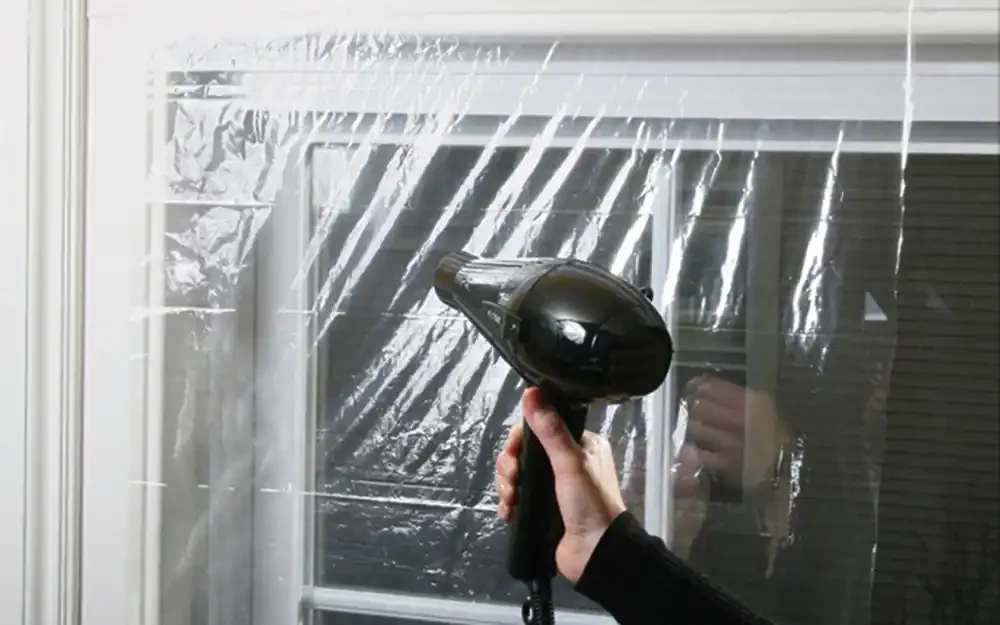
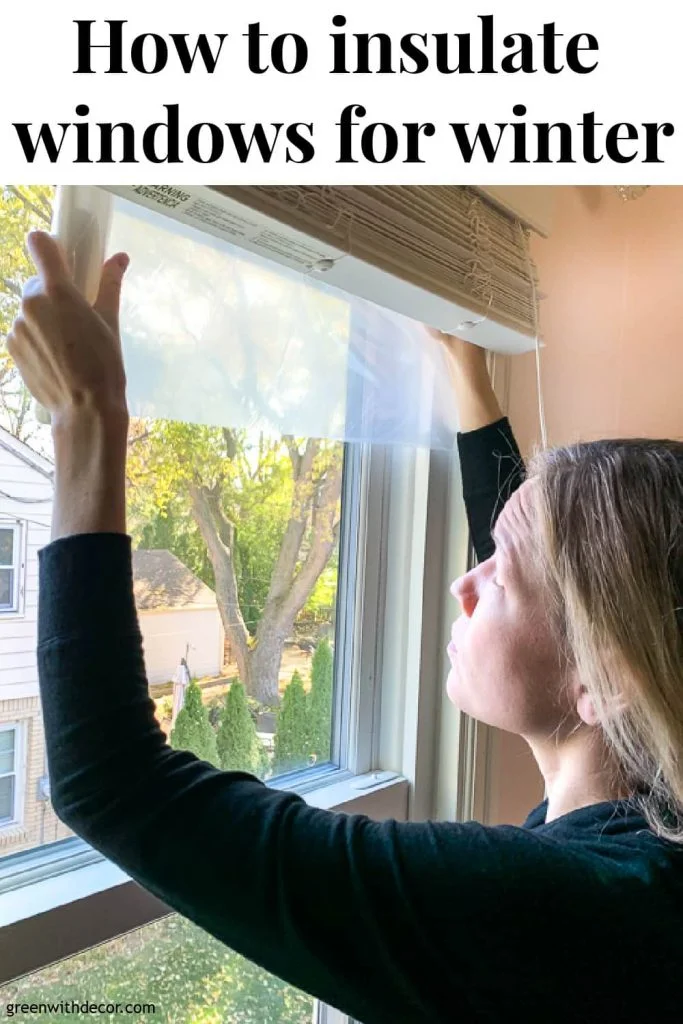
Window insulation film acts as an invisible barrier against cold air, creating an extra layer of protection for your older windows. Applying the film involves some patience, especially when shrinking it tight with a hairdryer after attachment to avoid wrinkles or sagging. This inexpensive solution significantly improves heat retention during the cold season, making it a popular quick fix for many homeowners.
Draft Stoppers and Window Curtains
Adding draft stoppers, often called draft snakes, along the base of window sills can block incoming cool air effectively. Pairing this with thermal or insulated curtains creates an additional buffer zone, trapping warm air inside. Closing these curtains at night while opening them during sunny days lets in natural heat, further balancing room temperature. Layering curtains with shades or blinds can enhance the insulation effect even more.
Advanced Solutions for Better Window Insulation
Secondary Glazing: What It Is and How It Works
Secondary glazing installs an additional pane of glass or acrylic on the interior side of your existing windows, creating a double-glazed effect without replacing the original sash. This extra layer significantly reduces heat loss by adding insulation and minimizing drafts. Though more involved than basic DIY fixes, the investment pays off with noticeable energy savings and a quieter indoor environment. This option is especially useful for older windows that can’t be easily replaced or repaired.
Incorporating Thermal Blinds and Shutters
Thermal blinds and shutters are designed to provide superior insulation while also offering style and privacy. These window treatments trap air between layers, which slows temperature exchange and keeps rooms warmer during the cold months. Installing such treatments can complement other insulation methods, delivering a comprehensive solution that enhances both comfort and aesthetics.
Materials and Tools You’ll Need
Choosing the Best Insulation Materials
Knowing which materials to use can make all the difference. Weatherstripping materials vary from foam tape to vinyl and rubber, each with its own durability and sealing effectiveness. For sealing gaps, exterior-grade silicone or latex caulk provides a waterproof and flexible barrier. Foam backer rods are excellent for filling wide and irregular gaps before caulking. For temporary fixes—especially for renters—rope caulk is a convenient option as it’s easy to apply and remove without damage.
Essential Tools for Installation
Basic tools needed include a utility knife, a caulking gun, scissors, and a hairdryer for shrinking window insulation film. Having a putty knife helps in cleaning old caulk and smoothing new applications. A measuring tape ensures materials fit perfectly, minimizing waste and ensuring a tight seal. Preparing all these in advance makes the installation process smoother and quicker.
Step-by-Step Guide to Insulating Older Windows
Preparation and Cleaning
Before any insulation work begins, clean the window frames and surrounding surfaces thoroughly. Dirt, dust, and peeling paint can prevent weatherstripping and caulking from adhering properly. Removing old, cracked caulk using a putty knife will create a smooth base for new application. Proper preparation sets the foundation for a long-lasting, effective seal.
Installation Process
Start by installing foam backer rods in any wide gaps, especially those caused by settling or frame warping. Next, apply exterior-grade caulk evenly to seal cracks and joints. Once dry, add weatherstripping around the frames, pressing firmly to ensure a tight bond. If desired, attach window insulation film, carefully trimming it to size. Finish by placing draft stoppers at the bottom and drawing thermal curtains to complete your insulation barrier.
Post-Installation Tips for Maintenance
Regularly inspect weatherstripping and caulking for signs of wear or detachment, reapplying as necessary. Keep thermal curtains clean and functional, adjusting their use based on daily temperatures. If you’ve installed window film, ensure it remains taut without tears. Proper ongoing care preserves the energy-saving benefits and prolongs the life of your insulation efforts.
Long-Term Benefits Beyond Heating Bill Reduction
Improved Comfort and Noise Reduction
Properly insulated windows do more than cut heating costs. They create a more comfortable home environment by maintaining stable indoor temperatures and reducing drafts. Another welcome advantage is noise reduction; the extra layers and sealed gaps dampen outside sounds, making your living spaces quieter and more peaceful.
Enhancement of Property Value
Upgrading older windows with effective insulation methods can boost your property’s value. Energy efficiency is a high priority for many buyers, and well-insulated windows signal a home that’s cared for and cost-effective to maintain. Investing in these improvements not only pays off annually in savings but also adds lasting appeal for potential resale.


