
Why Meal Prepping Matters for Busy Professionals
Benefits of Planning Your Meals Ahead
For busy professionals, balancing work commitments and personal life often leaves little time to plan and cook nutritious meals each day. By planning meals ahead, you gain control over your diet, ensuring you get a well-rounded intake of nutrients consistently. Prepping your meals in advance also allows you to avoid the temptation of quick but unhealthy options. With a clear plan, shopping becomes more efficient, reducing food waste and saving money. Additionally, having meals ready to go provides peace of mind, knowing that nutrition won’t be compromised despite a hectic schedule.
How Meal Prep Saves Time and Reduces Stress
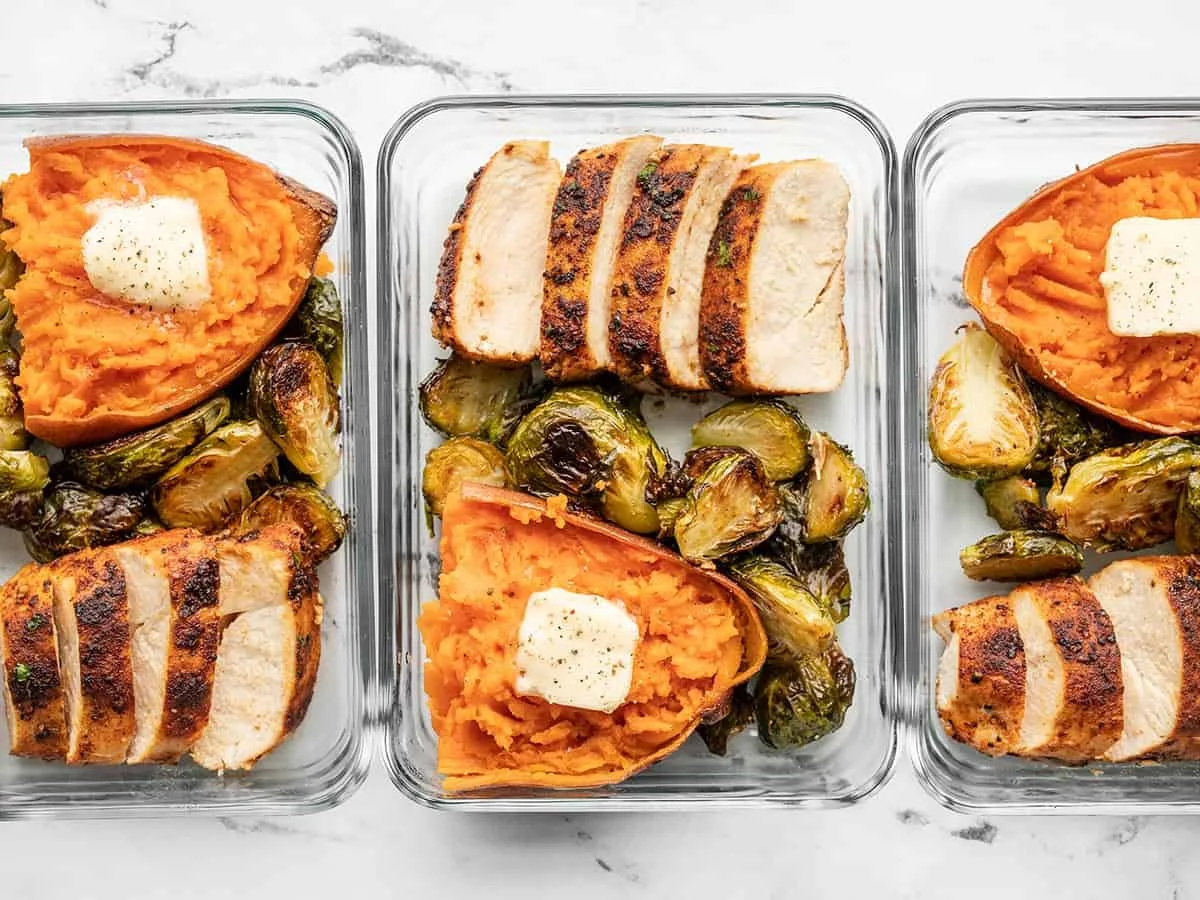
Meal prepping can turn daily cooking into a streamlined process, freeing up valuable time. When ingredients are prepared or meals are cooked in bulk, you minimize the need for daily decision-making about what to eat, which can be overwhelming after a long workday. This approach cuts down on last-minute grocery trips and the stress that comes with figuring out meals on the spot. Plus, reheating a premade meal is much faster than cooking from scratch, allowing you to enjoy nutritious food with less effort and more relaxation.
Essential Tools for Effortless Meal Prep
Must-Have Kitchen Gadgets
Having the right kitchen tools can make meal prep faster and more enjoyable. Basic appliances like a reliable blender or food processor help with making smoothies, sauces, and chopping veggies in moments. A quality set of knives speeds up ingredient preparation and improves safety. Baking sheets and sheet pans allow for efficient batch cooking of meals and snacks. Additionally, slow cookers or instant pots are great for hands-off cooking, enabling you to prepare flavorful meals with minimal supervision, which saves considerable time during your busy week.
Storage Solutions to Keep Food Fresh
Proper storage is key to maintaining the freshness and quality of your prepared meals. Investing in airtight containers in various sizes helps organize meals for different times of the day, from breakfast egg muffins to dinner bowls. Glass containers are especially good for reheating in the microwave while maintaining food safety. Using resealable freezer bags also allows you to store portions safely for longer periods. Labeling containers with dates can help you keep track of freshness and reduce food spoilage, keeping your meal prep routine sustainable and hassle-free.
Simple and Nutritious Meal Prep Recipes
Breakfast Ideas to Kickstart Your Day
Starting the day with a nourishing breakfast is vital for maintaining energy levels, especially for busy professionals. Preparing overnight oats the night before is a convenient option, combining oats with milk or yogurt and toppings such as fresh fruit or nuts for added flavor. Hard-boiled eggs can be cooked in large batches and stored unpeeled in the fridge for several days, offering a protein-packed start to the day. Egg muffins baked with vegetables and stored in the refrigerator provide a quick, grab-and-go option that balances protein and fiber. For those who prefer baked goods, healthy banana bread slices can be frozen and reheated in seconds, making mornings smoother without compromising nutrition.
Quick Lunches You Can Grab on the Go
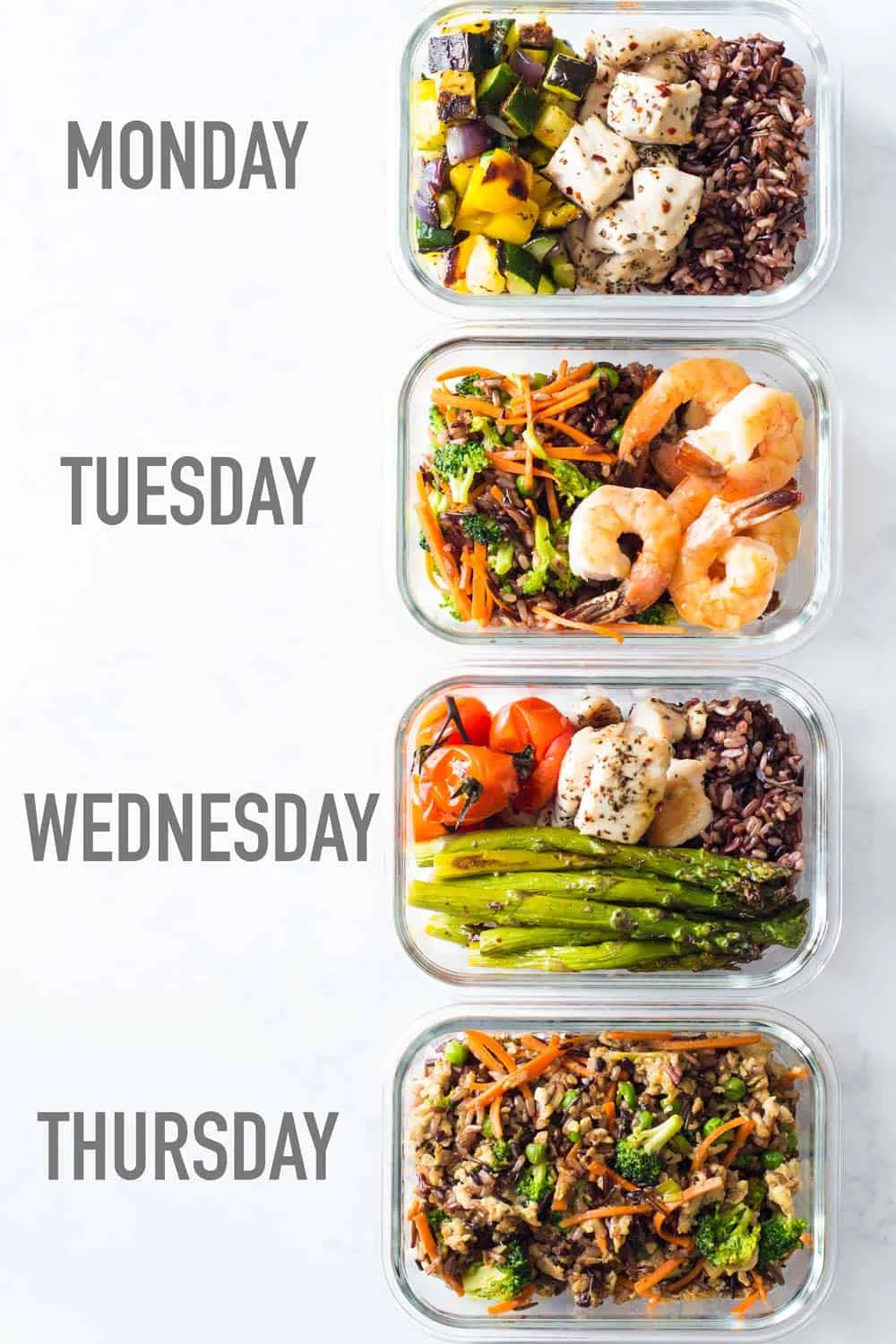
Lunches for busy professionals should be easy to assemble and transport. Preparing salads with sturdy ingredients like kale, black beans, and corn ahead of time ensures flavors meld and textures hold up well. Grain bowls combining quinoa or brown rice with roasted veggies and healthy fats provide satisfying, balanced meals. For convenience, sandwich fillings can be prepared in bulk and stored separately, allowing assembly just before eating to keep bread fresh. Wrapping sandwiches tightly and using reusable wraps can maintain structure for on-the-go lunches. These meal prep ideas enable quick, nutrient-rich meals without sacrificing taste or convenience.
Dinner Options Ready in Under 30 Minutes
Dinner doesn’t have to be complicated to be healthy. One-pot meals like vegetable stir-fries with pre-cooked grains or sheet pan dinners combining proteins and veggies make cooking efficient. Batch cooking protein-rich dishes like sweet potato hash with sausage or sausage hashbrown egg muffins ensures you have ready-to-eat portions for multiple meals. By cooking grains, chopping vegetables, and preparing sauces in advance, assembling dinner in under 30 minutes becomes achievable even on your busiest nights. These strategies keep your evening meals enjoyable without adding unnecessary stress or time to your day.
Tips for Staying Motivated and Consistent
Creating a Weekly Meal Prep Schedule
Consistency in meal prepping is easier when you dedicate a specific time each week to plan and prepare your meals. Allocating just one hour on a weekend day to cook or chop ingredients can make the entire week smoother. Beginning with preparing dinners and then using leftovers for lunches reduces the number of meals you need to cook. Establishing a routine helps build positive habits, making it natural to look forward to your meal prep sessions rather than viewing them as chores. Small, manageable steps lead to long-term success in maintaining a healthy eating pattern.
Batch Cooking Strategies for Variety
Avoiding meal prep monotony is important for staying motivated. Batch cooking different dishes that share overlapping ingredients reduces food waste and keeps meals interesting. For example, using cooked quinoa in both salads and bowls allows for creative variations without extra effort. Freezing portions of breakfast burritos or protein waffles gives you convenient options to rotate through. Switching up vegetables and proteins in recipes also keeps flavors fresh. By planning for variety within your batch cooking, you’re more likely to stick to your meal prep routine and enjoy your meals throughout the week.
Common Challenges and How to Overcome Them
Handling Limited Time and Energy
Time and energy constraints are frequent hurdles for busy professionals when trying to prep meals. To manage this, focus on ingredient prep like cooking grains, chopping veggies, and making sauces in bulk rather than attempting to cook full meals at once. Simple recipes that require minimal steps or one-pot meals reduce clean-up time and cooking complexity. Additionally, stock your pantry and freezer with staple ingredients so you can assemble meals quickly and avoid last-minute trips to the store. Remembering that meal prep doesn’t have to be perfect or extensive each week helps reduce pressure and maintain momentum.
Avoiding Meal Prep Burnout
Burnout can occur when meal prepping feels like an overwhelming or monotonous task. Prevent this by allowing yourself breaks from strict meal prep routines without guilt. Incorporate freezer-friendly meals that you can pull out when you need a rest from cooking. Experimenting with new recipes and swapping out ingredients keeps your meals exciting. Keeping meal prep simple and flexible—such as focusing on dinner prep only or repurposing ingredients across meals—can reduce the feeling of being overwhelmed. Managing expectations and embracing variety will help sustain your healthy eating habits long-term.


